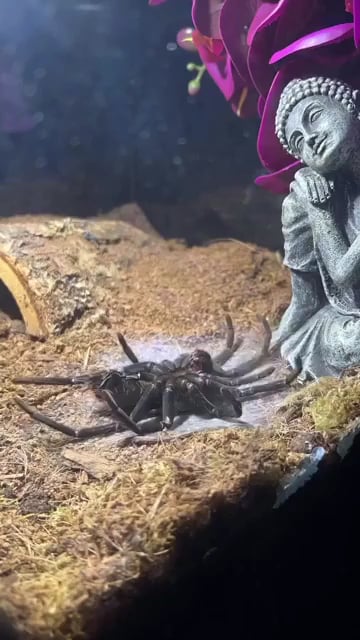
A Spider molting 👁️👄👁️
Title: Spider Molting 👁️👄👁️: The Ultimate Survival Shed (Process, Risks & FAQs)
Meta Description: Discover the bizarre, fascinating process of spider molting 👁️👄👁️—how spiders shed their skin, why it’s life-or-death, and what can go wrong. Dive into nature’s exoskeleton escape mission!
Introduction
Picture a spider wiggling out of its own skin—like a horror movie costume change in real life. That’s molting 👁️👄👁️, a critical survival ritual every spider must perform to grow, heal, and evade their rigid exoskeleton prison. In this guide, we’ll crack open the secrets of spider molting, from the delicate dance of escape to the dangers lurking in the process.
What Is Spider Molting?
Unlike humans, spiders (and all arthropods) wear their skeletons on the outside. This exoskeleton is tough armor—but it doesn’t stretch. To grow larger or repair damage, spiders must shed their old exoskeleton in a process called molting (or ecdysis). Think of it as trading in a too-small suit for a roomier upgrade.
Why Do Spiders Molt?
- Growth: Spiders can’t expand in a fixed shell. Molting lets them burst into a new, larger exoskeleton.
- Regeneration: Lost a leg? Molting helps spiders regrow limbs (over several sheds!).
- Maturity: Some species molt to reach reproductive adulthood.
- Survival: Damaged or infected exoskeletons get swapped for fresh ones.
The Molting Process: Step-by-Step 👁️👄👁️
Molting is a high-stakes mission—up to 90% of tarantula deaths happen during this vulnerable phase. Here’s how spiders pull it off:
-
Pre-Molt Prep
- The spider stops eating (days/weeks in advance).
- A new exoskeleton forms underneath the old one.
- Fluids dissolve the bond between layers, loosening the old shell.
-
The Great Escape
- The spider flips upside down (or finds a safe anchor).
- It splits the old exoskeleton along the cephalothorax (head-chest).
- Like a contortionist, it slowly wriggles out—legs, fangs, abdomen, and all.
-
Post-Molt Vulnerability
- The new exoskeleton is soft and pale (like wet paper).
- The spider pumps fluid to expand its body before the shell hardens.
- Hiding is critical—it’s defenseless against predators.
Molting Risks & Nightmares
⚠️ Molting gone wrong = death. Common dangers include:
- Getting stuck: Old exoskeleton traps legs or fangs.
- Dehydration: Soft shells dry out too fast without humidity.
- Predators: Birds, reptiles, or even other spiders attack mid-shed.
- Stress: Disturbances (noise, handling) can disrupt the process.
Fun(ish) fact: Spiders recycle their old exoskeletons! Many eat the shed skin for nutrients.
How Often Do Spiders Molt?
Young spiders molt 5–10 times a year (they grow fast!). Adults slow to 1–2 times annually.
- Tarantulas may molt well into their 20s (yes, spiders can live that long!).
- Jumping spiders shed fewer times but scout cuter 🥺.
FAQs: Spider Molting 👁️👄👁️
Q: Can spiders die from a bad molt?
A: Yes. Stuck sheds, dehydration, or injuries are often fatal.
Q: Should I help a molting spider?
A: Never! Interference causes panic or damage. Provide humidity and leave it alone.
Q: How long does molting take?
A: From 15 minutes (tiny spiders) to 12+ hours (large tarantulas).
Q: What’s that weird white stuff on my pet spider?
A: Likely bits of unshed skin or leftover molt fluid. Don’t peel it off!
Conclusion: A Spider’s Skin-Crawling Second Chance 💫
Spider molting 👁️👄👁️ is nature’s ultimate balancing act—growth vs. fragility, survival vs. vulnerability. Whether you’re a spider keeper or just marveling at backyard orb-weavers, understanding molting reveals the quiet resilience of these eight-legged architects.
Next time you spot a limp, hollow spider “corpse”? It’s not dead—just upgraded.
SEO Keywords: Spider molting process, why do spiders shed skin, spider exoskeleton, tarantula molting risks, how often do spiders molt, spider molting stages, molting problems, spider regeneration