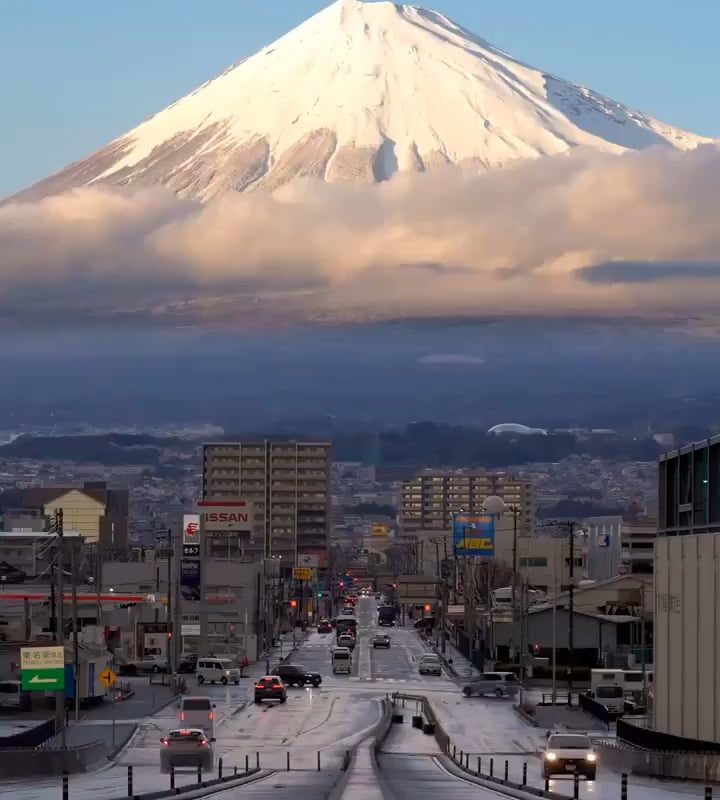
The road to Mount Fuji
The Road to Mount Fuji: Your Ultimate Guide to Japan’s Iconic Volcano
Introduction
Mount Fuji, Japan’s highest peak at 3,776 meters (12,389 feet), is more than just a mountain—it’s a cultural icon, a UNESCO World Heritage Site, and a bucket-list destination for travelers worldwide. Whether you’re dreaming of climbing its slopes, admiring its reflection in Lake Kawaguchi, or exploring nearby hot springs and shrines, the journey to Mount Fuji is unforgettable. This guide covers everything you need to plan your trip, from transportation and routes to seasonal tips and hidden gems.
1. Why Visit Mount Fuji?
Mount Fuji’s symmetrical beauty has inspired artists, poets, and pilgrims for centuries. Its spiritual significance in Shintoism, dramatic seasonal landscapes, and proximity to Tokyo (just 100 km away) make it a must-see. Here’s why Fuji-san deserves a spot on your itinerary:
- Natural Beauty: Sunrise views (Goraiko), volcanic trails, lakes, and waterfalls.
- Cultural Heritage: Sacred shrines like Fujisan Hongū Sengen Taisha.
- Adventure: One of the world’s most accessible volcano climbs.
- UNESCO Recognition: Honored for its role in Japanese art and religion.
2. How to Reach Mount Fuji: Routes & Transportation
Mount Fuji straddles Shizuoka and Yamanashi prefectures, with multiple access points depending on your starting location.
A. From Tokyo
Tokyo is the most common launchpad for Fuji trips. Here are your options:
- By Bus (Most Efficient):
- Direct Highway Buses: Depart from Shinjuku, Tokyo Station, or Shibuya to Kawaguchiko Station or Fuji Subaru Line 5th Station (climbing base).
- Travel Time: 2–2.5 hours.
- Cost: ¥2,000–¥3,000 one-way (book via Keio Bus or Fujikyu Bus).
- By Train (Scenic but Complex):
- JR Chuo Line to Otsuki Station, then transfer to the Fujikyu Railway Line to Kawaguchiko.
- Total Time: ~2 hours.
- Tip: Use the JR Tokyo Wide Pass for unlimited rides.
- By Car:
- Rent a car via highways like the Chuo Expressway.
- Parking: Limited at 5th Stations; book ahead in climbing season (July–September).
B. From Shizuoka or Nagoya
- Shizuoka Route: Take a train to Shin-Fuji Station, then a bus to Fujinomiya 5th Station.
- Nagoya Route: Direct buses or trains to Kawaguchiko (3–4 hours).
3. Key Access Points: The 5th Stations
Most Fuji adventures begin at one of four “5th Stations” (midway points accessible by road):
- Yoshida Trail (Yamanashi): Most popular route for climbers; starts at Fuji Subaru Line 5th Station.
- Fujinomiya Trail (Shizuoka): Steepest and fastest path to the summit.
- Subashiri and Gotemba Trails: Less crowded routes with lush forest scenery.
Getting to 5th Stations:
- Kawaguchiko 5th Station: Bus from Kawaguchiko Station (55 mins, ¥1,540).
- Fujinomiya 5th Station: Bus from Shin-Fuji Station (90 mins, ¥2,700).
4. Best Time to Visit
- Climbing Season: July 1 – September 10 (official dates). Avoid rainy season (June) and winter climbs (for experts only).
- Views Without Climbing:
- Spring (April–May): Cherry blossoms frame Fuji at Chureito Pagoda.
- Autumn (October–November): Fall foliage around Fuji Five Lakes.
- Winter (December–February): Snow-capped peak with clear skies.
5. Top Things to Do Around Mount Fuji
Even if you’re not climbing, Fuji’s surroundings dazzle:
- Fuji Five Lakes (Kawaguchiko, Saiko, Yamanakako): Boating, onsen, and Fuji-Q Highlands amusement park.
- Hakone: Views from Lake Ashi’s pirate ships, Owakudani’s volcanic valley, and the Open-Air Museum.
- Cultural Sites:
- Arakura Fuji Sengen Shrine (Chureito Pagoda): Postcard-perfect views.
- Oshino Hakkai: Traditional village with sacred ponds.
- Food: Try Fujinomiya yakisoba or Hōtō noodle stew.
6. Climbing Mount Fuji: A Quick Checklist
- Gear: Hiking boots, headlamp, layered clothing (summit can be 0°C even in summer).
- Reservations: Hut stays (~¥5,000–¥8,000) book up fast.
- Etiquette: Follow the “No climbing, no party!” rule—avoid littering and respect sacred sites.
7. Sustainable & Responsible Travel Tips
- Alt Omamori (Hiking Passports): Buy one as a souvenir—proceeds fund trail upkeep.
- Trail Conservation: Use designated paths to prevent erosion.
- Support Local: Shop at family-run ryokans and buy crafts from Fujiyoshida.
FAQs: Your Mount Fuji Questions Answered
Q: Can I see Mount Fuji from Tokyo?
A: Yes! On clear days, visible from Skytree, Tokyo Tower, or even planes landing at Haneda.
Q: Is a climbing guide necessary?
A: While trails are marked, guides help with safety, history, and hut bookings.
Q: Where to stay for the best views?
A: Fuji View Hotel (Kawaguchiko), Ryokan with onsen, or camping by Lake Motosu.
Q: How much does a Mount Fuji trip cost?
A: Budget ¥10,000–¥15,000/day (including transport, food, and lodging).
Final Words
The road to Mount Fuji is a journey through Japan’s soul—where nature, spirituality, and adventure collide. Whether you hike to the summit at dawn, snap photos of its reflection, or sip matcha with Fuji on the horizon, this legendary peak will leave you awestruck. Plan wisely, respect the mountain, and let Fuji-san’s magic unfold!
Meta Title: Mount Fuji Travel Guide: Routes, Tips & Best Time to Visit
Meta Description: Discover how to reach Mount Fuji from Tokyo, best seasons to visit, climbing trails, and cultural gems. Your ultimate guide to Japan’s sacred peak!