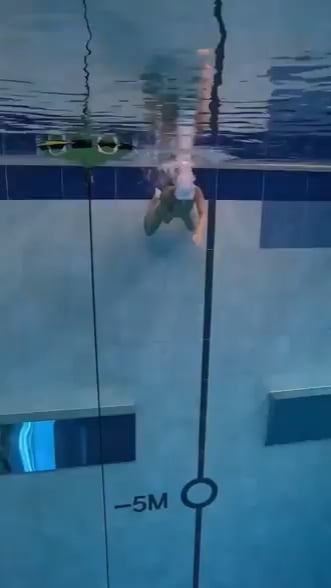
Dive training pool
Title: Dive Training Pools: Your Safe Gateway to Mastering Scuba & Freediving Skills
Meta Description: Discover how dive training pools provide a safe, controlled environment for beginners and experienced divers to refine buoyancy, safety drills, and confidence before open-water dives.
Dive Training Pools: The Ultimate Safe Space for Scuba & Freediving Mastery
Whether you’re taking your first breaths underwater or sharpening advanced dive techniques, a dive training pool (also known as a “confined water” facility) is the ideal starting point. These specialized pools offer a controlled environment to build foundational skills, overcome anxieties, and perfect buoyancy—far from ocean currents or unpredictable conditions.
In this guide, we’ll explore why dive training pools are essential for divers at every level and how to maximize your practice sessions.
What is a Dive Training Pool?
A dive training pool is a purpose-built aquatic facility designed for diving education and skill drills. Unlike recreational pools, they prioritize:
- Depth (typically 10–16 feet / 3–5 meters) for practicing descents and ascents.
- Temperature control for extended comfort during training.
- Clear visibility to simulate open-water conditions.
- Safety features like accessible exits, emergency oxygen, and instructor oversight.
These pools are used by certified dive schools (PADI, SSI, NAUI), rescue teams, and competitive freedivers to safely master techniques before transitioning to oceans, lakes, or quarries.
5 Key Benefits of Practicing in a Dive Training Pool
1️⃣ Risk-Free Learning Environment
New divers can acclimate to gear, breathing underwater, and buoyancy control without waves, currents, or wildlife distractions. Instructors closely monitor progress and troubleshoot issues instantly.
2️⃣ Confidence Building
Overcome “first dive jitters” in shallow water. Practice mask clearing, regulator recovery, and emergency protocols until they become second nature.
3️⃣ Year-Round Accessibility
No need to wait for dive trips! Indoor pools allow for consistent training regardless of weather or season.
4️⃣ Skill Refinement for Advanced Divers
Perfect buoyancy, practice rescue drills, or test new gear configurations in a predictable setting.
5️⃣ Eco-Friendly Training
Repeated skills practice in open water can damage fragile ecosystems. Pools eliminate this risk, making them a sustainable choice.
Features of an Ideal Dive Training Pool
Not all pools are equal. Look for these features when choosing a facility:
- Depth Zones: Graduated depths for varied drills (e.g., shallow ends for beginners, deeper sections for advanced training).
- Heated Water: Comfort matters for prolonged sessions.
- High Visibility: Cloudy water hampers communication and safety.
- Dive Platforms: Simulates boat entries/exits.
- On-Site Gear Rentals: Tanks, BCDs, wetsuits, and weights for convenience.
- Certified Staff: Instructors should hold active credentials from recognized agencies like PADI or RAID.
How to Choose the Right Dive Training Facility
- Check Certifications: Ensure the school is accredited by a reputed agency (e.g., PADI 5-Star).
- Evaluate Instructor Ratios: Small groups (4–6 students per instructor) ensure personalized feedback.
- Read Reviews: Search Google or dive forums for feedback on safety, cleanliness, and teaching quality.
- Visit In Person: Assess pool size, locker rooms, and equipment condition.
- Compare Costs: Prices vary based on location and amenities—budget $50–$150 per session.
Top Dive Skills to Practice in Training Pools
- Buoyancy Control: Hover motionless without touching the bottom—critical for protecting marine life.
- Mask Clearing: Flood and clear your mask confidently.
- Regulator Recovery: Retrieve a dislodged regulator calmly.
- Buddy Breathing: Share air with a partner in simulated emergencies.
- Freediving Drills: Practice breath-hold techniques and finning efficiency.
FAQs About Dive Training Pools
Q: Can I get scuba certified in a training pool alone?
A: Partially! Most certifications (like Open Water Diver) combine pool sessions with mandatory open-water dives.
Q: How deep do training pools need to be?
A: 10–16 feet allows divers to practice basic skills, though deeper pools (20+ feet) accommodate advanced training.
Q: Do I need my own gear?
A: Most facilities provide rentals, but buying a mask, snorkel, and fins enhances comfort and hygiene.
Q: Can children train in dive pools?
A: Yes! Programs like PADI Bubble Maker accept kids as young as 8 years old in shallow pools.
Q: Are indoor pools warmer than open water?
A: Typically yes—heated pools maintain temps around 82–86°F (28–30°C), reducing wetsuit dependency.
Ready to Dive In?
A dive training pool is the safest, most efficient way to build skills and confidence—whether you’re preparing for a coral reef adventure or a freediving competition. Find a certified dive center near you today, and take the plunge into a lifetime of underwater exploration!
Pro Tip: Ask about “Discover Scuba” experiences for a low-pressure intro session!
Target Keywords: dive training pool, learn to scuba dive, confined water training, scuba practice pool, beginner diving lessons
Suggested URL Slug: dive-training-pool-guide
Internal Linking Hint: Link to related articles like “How to Choose Your First Scuba Gear” or “Top 5 Buoyancy Control Tips.”