Life above the Arctic Circle
Life Above the Arctic Circle: Thriving in the Land of Extremes
Nestled at the top of the world—where winter nights stretch for months and summer days never end—life above the Arctic Circle is a testament to human resilience, cultural richness, and nature’s breathtaking extremes. This vast, remote region—spanning parts of Norway, Sweden, Finland, Russia, Canada, Alaska (USA), Greenland, and Iceland—is home to Indigenous communities, Arctic wildlife, and modern settlements defying the harshest conditions on Earth. In this article, we explore what daily life looks way up north and uncover the secrets of surviving—and thriving—in the planet’s last frontier.
The Arctic Environment: Where Seasons Defy Logic
Endless Winters & the Midnight Sun
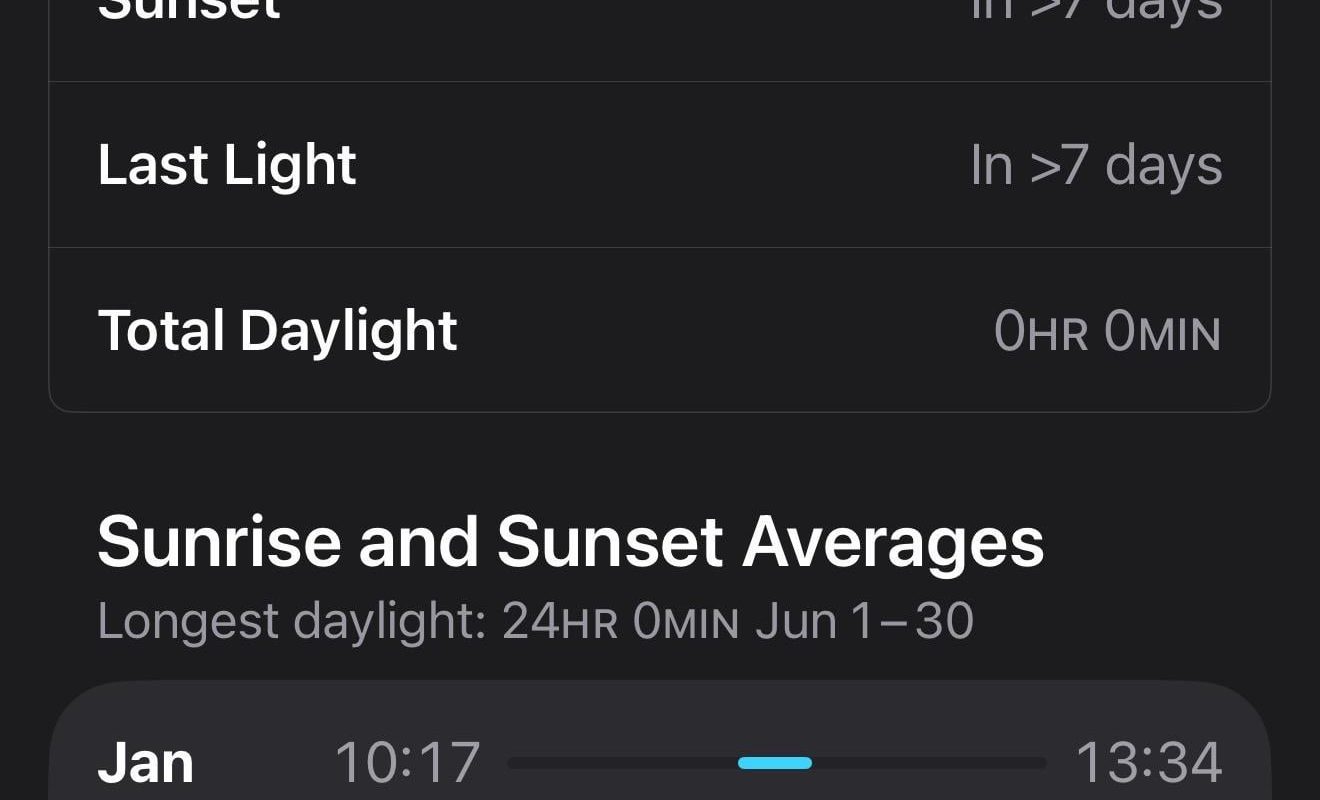
Above the Arctic Circle (latitude 66°33’N), the sun’s behavior defies norms. From late May to July, the Midnight Sun bathes the landscape in 24-hour daylight, inspiring festivals, outdoor adventures, and sleepless energy. Conversely, the Polar Night (November–January) plunges regions into weeks of twilight or darkness, lit only by the ethereal glow of the Aurora Borealis (Northern Lights). Temperatures can plummet below -40°C (-40°F), while permafrost—frozen ground—shapes infrastructure and ecosystems.
Wildlife Wonders
Despite the cold, the Arctic teems with life: polar bears, Arctic foxes, reindeer, walruses, whales, and migratory birds. Indigenous peoples like the Sámi (Scandinavia), Inuit (Canada/Greenland), and Nenets (Russia) have coexisted with these animals for millennia, relying on sustainable hunting, fishing, and reindeer herding traditions.
Indigenous Life: Ancient Wisdom in a Modern World
Cultural Heritage & Survival
For Indigenous Arctic communities, deep knowledge of land, ice, and wildlife is key to survival. Sámi reindeer herders guide thousands of reindeer across frozen tundra during seasonal migrations, while Inuit hunters use ancestral skills to navigate sea ice for seal and whale hunting. Traditional practices—crafting clothing from animal skins, building igloos, or preserving fermented foods—coexist with modern tools like snowmobiles and GPS.
Language & Identity
Languages like Sámi, Inuktitut, and Yupik carry cultural identity. However, climate change, resource extraction, and globalization threaten these traditions. Advocacy for land rights, language revitalization, and self-governance remains central to Arctic Indigenous movements.
Modern Arctic Living: Technology & Community
Urban Hubs vs. Remote Outposts
Cities like Tromsø (Norway), Rovaniemi (Finland), and Murmansk (Russia) offer modern amenities, universities, and cultural scenes—even hosting film festivals or jazz concerts in the Polar Night. In contrast, remote villages might rely on ice roads, helicopters, or seasonal boats for supplies.
Challenges of infrastructure:
- Buildings stand on stilts to avoid thawing permafrost.
- Roads are scarce—dog sleds and snowmobiles are lifelines.
- Internet connectivity, powered by undersea cables or satellites, bridges isolation.
Mental Health & Wellbeing
The long, dark winters bring psychological challenges. Seasonal Affective Disorder (SAD) is combated with UV lamps, social gatherings (“koselig” in Norway), and winter sports. Conversely, the Midnight Sun fuels festival seasons—like Norway’s Insomnia Festival or Finland’s Midnight Sun Film Festival.
The Economy: Beyond Snow & Ice
- Resource Extraction: Oil, gas, and mineral mining (e.g., Norway’s petroleum industry) fuel economies but spark environmental debates.
- Tourism: Aurora viewing, ice hotels, dog sledding, and Indigenous cultural tours attract global visitors.
- Fishing/Seafood: Arctic waters supply the world with cod, salmon, and king crab.
- Science & Research: Climate studies, space exploration (due to clear skies), and Arctic biology thrive here.
Climate Change: The Arctic’s Greatest Threat
The Arctic is warming 4x faster than the global average, causing:
- Receding sea ice, endangering polar bears and Indigenous hunting.
- Thawing permafrost, destabilizing buildings and releasing methane.
- Coastal erosion forcing villages like Shishmaref, Alaska, to relocate.
Indigenous voices lead climate activism, advocating sustainability and global policy changes.
Visiting the Arctic Circle: Tips for Travelers
- Best Time to Visit:
- Winter (February–March): Aurora viewing, dog sledding, ice fishing.
- Summer (June–August): Midnight Sun, hiking, wildlife safaris.
- Respect Local Culture: Participate in Indigenous tours ethically—avoid exploitative “poverty tourism.”
- Prepare for Extremes: Pack thermal gear, check weather advisories, and embrace slow travel.
Conclusion
Life above the Arctic Circle is not a battle against nature but a dance with it—embracing darkness and light, tradition and innovation. Its communities exemplify adaptability while safeguarding fragile ecosystems. As climate change reshapes the North, the world must listen to its peoples: guardians of a region that teaches us the power of resilience and the beauty of life at the edge of possibility.
Keywords for SEO: Arctic Circle life, Indigenous Arctic communities, Midnight Sun, Polar Night, living in the Arctic, Arctic climate change, Sámi culture, Aurora Borealis travel, Arctic tourism, modern Arctic settlements.
Meta Description: Explore life above the Arctic Circle—where Indigenous traditions meet modern resilience under the Midnight Sun and Polar Night. Discover communities, wildlife, climate challenges, and travel tips!