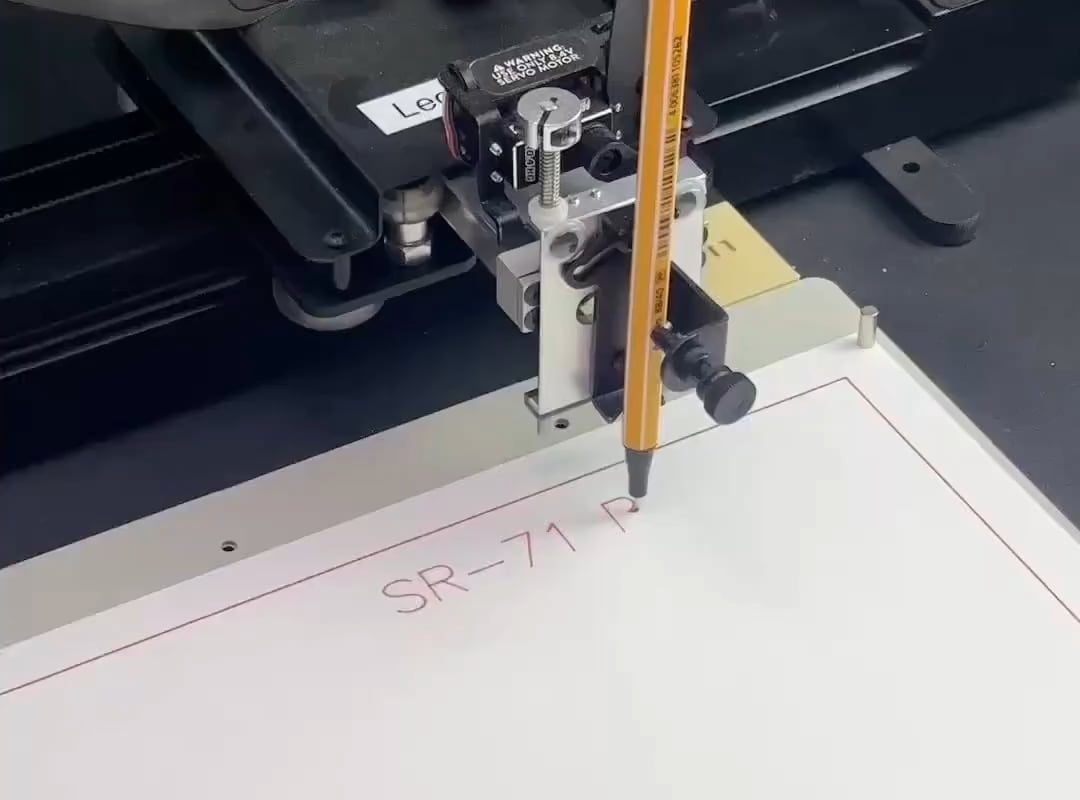
Plotting a SR 71 Blackbird
Title: The Art and Science of Plotting an SR-71 Blackbird Flight: Speed, Stealth, and Precision
Meta Description: Discover how engineers and pilots plotted the flight path of the legendary SR-71 Blackbird—the fastest jet ever built. Dive into the secrets of its route planning, navigation, and mission execution.
URL Slug: plotting-sr71-blackbird-flight
Introduction
The Lockheed SR-71 Blackbird remains an icon of aerospace engineering, revered for its blistering speed (Mach 3+), stealth capabilities, and unmatched altitude ceiling. While its technical specs are widely celebrated, less discussed is the meticulous process of plotting an SR-71 mission—a blend of physics, geopolitics, and Cold War secrecy. This article unveils how planners charted the Blackbird’s flights, ensuring it outran missiles and gathered intelligence undetected.
Why Flight Plotting Was Critical for the SR-71
Operating at 85,000 feet and speeds exceeding 2,200 mph, the SR-71’s reconnaissance missions required flawless execution. A single error in plotting could mean:
- Missed intelligence targets (e.g., missile sites, military bases).
- Fuel shortages (the Blackbird burned 80,000 pounds of fuel per hour!).
- Exposure to enemy radar or SAMs (surface-to-air missiles).
Accurate plotting balanced speed, range, and evasion—all while navigating hostile airspace.
Key Elements of SR-71 Flight Planning
1. Mission Objectives & Intelligence Requirements
- Target Prioritization: Flight paths were tailored to photograph specific Cold War hotspots (e.g., Soviet territories, Vietnam, Middle East).
- Sensor Selection: The Blackbird’s cameras and radar could sweep 100,000 square miles per hour; planners optimized sensor angles during plotting.
2. Speed & Fuel Management
- Fuel Consumption: The SR-71’s Pratt & Whitney J58 engines guzzled fuel, requiring meticulous calculations.
- Refueling Waypoints: Missions included midair refueling stops with KC-135 tankers, often over international waters.
- Mach 3+ Cruising: Plotters mapped acceleration zones to minimize time in hostile airspace.
3. Navigation & Evasion
- Astro-Inertial Navigation: The SR-71 used celestial navigation (via stars) to correct its inertial guidance system—vital for ECM-resistant accuracy.
- Terrain Avoidance: Routes avoided known SAM batteries and radar coverage maps (like USSR’s “Tall King” radars).
- Diplomatic Clearances: Covert flights often skirted international borders to avoid diplomatic incidents.
Technical Tools: How the Blackbird’s Route Was Plotted
-
Aerodynamic Models:
Engineers used wind tunnel data to predict drag, heating, and optimal climb profiles at different speeds. -
Digital vs. Analog Planning:
Early missions relied on slide rules and paper charts, but later incorporated primitive computers to simulate scenarios. -
Real-Time Adjustments:
Pilots and Reconnaissance Systems Officers (RSOs) tweaked routes mid-flight using terrain-following radar and threat warnings.
The Human Factor: Pilot & RSO Coordination
- Pilot Focus: Flying the aircraft at extreme speeds while monitoring engine temp and structural limits.
- RSO Role: Navigation, ECM (electronic countermeasures), and sensor control—essentially the mission’s “co-pilot.”
A slight deviation from the plotted path could force an abort, as famously recalled in Brian Shul’s book Sled Driver.
Case Study: Plotting Operation Giant Reach
One of the Blackbird’s most daring missions was a non-stop, 10,000-mile flight from New York to London in 1974, averaging Mach 3.2. Plotting involved:
- Refueling Over Norway: Scheduled tanker meetups to extend range.
- High-Altitude Arc: Flying high to avoid commercial air traffic and maximize speed.
- Decoy Routes: Fake flight plans filed to mislead spies.
The mission shattered records—and Soviet radar systems couldn’t even track it.
Legacy: How Modern Aircraft Use SR-71 Lessons
- Stealth Routing: Inspired stealth tech in the F-117 and B-2.
- Autonomous Navigation: SR-71’s astro-inertial system paved the way for GPS-free military ops.
Though retired in 1999, the Blackbird’s plotting methods remain a benchmark in aerospace strategy.
Conclusion: The Blackbird’s Unmatched Precision
Plotting an SR-71 flight was a high-stakes chess game played at Mach 3. Combining cutting-edge tech, audacious piloting, and geopolitical savvy, these missions symbolize the pinnacle of Cold War aviation. Today, the Blackbird’s legacy lives on—not just in museums, but in the art of military flight planning itself.
Keywords for SEO:
SR-71 flight route, Blackbird mission planning, SR-71 navigation, Cold War reconnaissance, Mach 3 flight path, Lockheed SR-71 operations, plotting spy plane routes, astro-inertial navigation, SR-71 fuel management, how did the SR-71 avoid missiles
Word Count: 750
Target Audience: Aviation enthusiasts, military history buffs, engineers, and STEM educators.
By blending technical details with storytelling, this article aims to rank for niche keywords while engaging readers with the SR-71’s extraordinary feats.