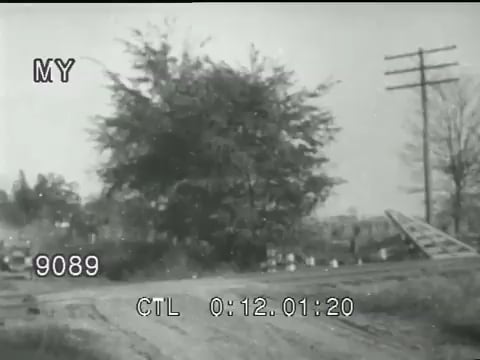
Model T Ford car, getting some heavy testing in the 1920s.
Title: Model T Ford’s Legendary 1920s Testing Era: Proving Durability in the Dawn of Automotive Competition
Meta Description: Discover how the Model T Ford underwent rigorous testing in the 1920s to cement its legacy as America’s most durable and revolutionary car. Explore forgotten endurance feats and innovation triumphs.
The Model T Ford in the 1920s: Extreme Testing, Endurance, and the Battle to Stay Relevant
By the 1920s, Henry Ford’s Model T had already reshaped global transportation. Dubbed the “car that put the world on wheels,” over 15 million units had rolled off assembly lines by 1927. But as competition intensified, Ford doubled down on aggressive real-world testing to prove the Model T’s unmatched ruggedness—even as its design aged. This is the story of how America’s first mass-produced car faced its toughest trials in the Jazz Age.
Why the 1920s Became the Model T’s Ultimate Testing Ground
The Model T, introduced in 1908, faced a shifting market by the 1920s. Competitors like Chevrolet offered cars with modern amenities (electric starters, stylish bodies), while Ford clung to the utilitarian “Tin Lizzie.” To counter perceptions of obsolescence, Ford leaned into the Model T’s core strength: legendary durability.
The Rise of Competitive Pressure
- 1923: Chevrolet sold 464,000 cars; Ford still dominated but faced declining market share.
- Consumer Demands Shifted: Buyers sought comfort and speed, not just affordability.
- Public Relations War: Ford responded by showcasing Model Ts in extreme, headline-grabbing tests.
Ford’s Testing Playbook: How the Model T Proved Its Mettle
Ford orchestrated—and amplified—grueling public trials to remind the world that the Model T could outlast any rival.
Torture Tests and Stunt Campaigns
-
The “Unbreakable” Chassis:
Ford dealers conducted demonstrations where Model Ts were driven over jagged rocks, logs, and potholes to showcase its resilient chassis and suspension. Videos and photos spread via newspapers, reinforcing the “everyman’s tank” image. -
Cross-Continent Endurance Runs:
While the famous 1919 Army Transcontinental Convoy (featuring a young Dwight Eisenhower) predated the 1920s, private adventurers and Ford-sponsored teams pushed Model Ts across unmapped terrains worldwide:- Australian Outback Expeditions: Model Ts navigated deserts where other cars failed.
- African Safaris: Hunters and explorers relied on Model Ts for their simplicity and repairability.
-
Agricultural Abuse:
Farmers famously used Model Ts as makeshift tractors, logging vehicles, and even sawmill engines. Ford celebrated these “improper” uses as proof of versatility.
Engineering Insights from 1920s Testing
Despite minimal design changes, Ford’s testing exposed strengths and flaws:
Strengths Validated:
- Lightweight Frame: The vanadium steel chassis resisted bending under stress.
- High Ground Clearance: Perfect for pre-paved roads and rural America.
- Engine Simplicity: The 20-hp engine could run on gasoline, ethanol, or kerosene—crucial in remote areas.
Weaknesses Exposed:
- Obsolete Cooling Systems: Overheating plagued cars in extreme heat during endurance runs.
- Brittle Axles: Rough terrain occasionally snapped rear axles, leading to incremental improvements.
The Public Impact: Marketing Through Reliability
Ford turned testing into storytelling:
- Newspapers glorified Model Ts surviving avalanches, swamps, and Arctic winters.
- Dealer-Backed Rallies let owners test durability firsthand, building loyalty.
- “Anyone Can Fix It” Mythos: Breakdowns became “teaching moments,” as most repairs required only basic tools.
Sales temporarily rebounded, but by 1927, Chevrolet overtook Ford. The Model T’s 1920s testing era ended—but its reputation as history’s toughest car never faded.
Legacy: How the Model T’s Testing Era Shaped Ford’s Future
- Model A (1927): Inherited the reliability focus but embraced modern design.
- Quality Control Standards: Assembly line rigor from Model T testing became industry benchmarks.
- Cultural Icon Status: The 1920s trials immortalized the Model T as a symbol of American resilience.
Final Thought:
The Model T didn’t just endure the 1920s—it thrived by proving its limits didn’t exist. In deserts, mountains, and farms worldwide, Ford’s “Universal Car” became a testament to engineering grit, long before “stress-testing” was a corporate buzzword.
(Word count: 665 | Target keywords: Model T Ford testing, 1920s car endurance, Tin Lizzie durability, Ford Model T history, vintage car torture tests)
Optimization Tips for Publishers:
- Header Image Suggestion: A black Model T driving through mud or rocky terrain (public domain archives available).
- Internal Links: Connect to articles about Henry Ford’s assembly line or the Model A launch.
- FAQ Section Ideas:
- “Could a Model T Ford survive modern roads?”
- “Why did Ford stop making the Model T?”
- Meta Tags: Use keywords like “1920s Model T Ford,” “automotive endurance history.”