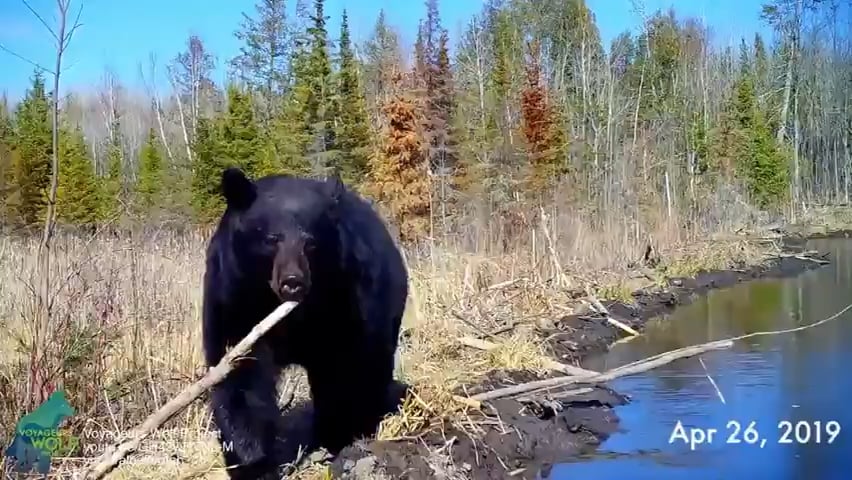
The various types of animals that make use of a beaver dam
Title: Beyond the Builders: 12 Animals That Thrive in & Around Beaver Dams
Meta Description: Discover the surprising variety of wildlife that depends on beaver dams for survival. From fish to mammals, birds, and more—explore nature’s ultimate ecosystem engineers here!
The Secret Tenants: Diverse Wildlife That Calls a Beaver Dam Home
Beavers are famously dubbed “ecosystem engineers” for their dam-building prowess. These structures—piled with branches, mud, and stones—create wetland habitats teeming with life. Beyond sheltering beavers themselves, these dams attract a bustling community of animals seeking food, protection, and a place to raise young. Let’s dive into the unexpected tenants of these natural masterpieces!
Why Beaver Dams Are Wildlife Hotspots
Before exploring specific species, it’s key to understand why dams are ecological hubs:
- Created Wetlands: Dams flood valleys, forming ponds perfect for aquatic life.
- Slowed Water Flow: Calmer waters attract insects, amphibians, and fish.
- Shelter & Food: Lodges (beaver homes) and submerged wood provide hiding spots and breeding grounds.
- Edge Effects: Transition zones between water and land support diverse plants and animals.
Now, who exactly moves in?
🐟 Aquatic Animals Relying on Beaver Dams
1. Fish
Trout, salmon, and minnows thrive in dam ponds. The slowed currents offer:
- Cooler Water: Deep pools buffer summer heat.
- Spawning Grounds: Gravel beds created by dam sediment are ideal for laying eggs.
- Predator Protection: Woody debris hides young fish from birds or larger fish.
2. Amphibians
Frogs, salamanders, and newts flock to beaver ponds because:
- Still Water: Perfect for laying eggs (unlike fast-flowing streams).
- Algae & Insect Growth: Tadpoles feast on this abundant food source.
3. Aquatic Invertebrates
Dragonfly larvae, crayfish, and clams thrive in nutrient-rich dam sediments, becoming food for larger animals.
🦆 Birds Drawn to Beaver Wetlands
4. Waterfowl
Ducks, geese, and herons nest near beaver ponds to access:
- Open Water: For swimming and diving.
- Fish Buffets: Herons and kingfishers stalk shallow edges.
5. Songbirds
Warblers, flycatchers, and woodpeckers find:
- Dead Trees (Snags): Drowned by flooding, ideal for nesting cavities.
- Insect Swarms: Emerging aquatic bugs are easy meals.
6. Raptors
Ospreys and owls hunt rodents attracted to the wetlands.
🦌 Mammals Beyond Beavers
7. Muskrats
These semi-aquatic rodents often share lodges with beavers or build their own nearby, feeding on wetland plants.
8. Otters
River otters slip through dam channels to hunt fish and frogs—and even use beaver lodges as rest stops!
9. Moose & Deer
They wade into shallow ponds to escape insects and feed on aquatic vegetation.
10. Small Mammals
Mice, voles, and shrews hide in dense shoreline vegetation, attracting predators like foxes and minks.
🦎 Reptiles, Amphibians & More
11. Turtles & Snakes
Painted turtles bask on logs, while water snakes hunt frogs in the shallows.
12. Insects & Microbes
Mosquitoes (unfortunately!), damselflies, and beetles proliferate, feeding birds and bats. Microbes break down organic matter, recycling nutrients.
🌿 The Ripple Effect: Biodiversity Boosters
Beaver dams don’t just house animals—they reshape landscapes:
- Purify Water: Sediment traps filter pollutants.
- Prevent Erosion: Slowed currents protect soil.
- Carbon Storage: Wetlands sequester CO₂.
Threatened Havens: Why Protecting Dams Matters
Beaver populations were once decimated for fur, but conservation efforts help them rebound. Protecting dams safeguards entire ecosystems, including rare species like bog turtles or salmon runs.
Final Thoughts
From tiny insects to apex predators, beaver dams are unlikely hubs of biodiversity. Next time you spot a dam, remember—it’s not just a beaver’s home. It’s a wildlife apartment complex, buzzing with life thanks to nature’s original engineers!
SEO Tips Used in This Article:
- Primary Keyword: “animals that use beaver dams” (used in title, headers, and body).
- Related Keywords: “beaver dam wildlife,” “ecosystem engineers,” “wetland animals.”
- Headers: Clear H2/H3 tags with questions (e.g., “Why Beaver Dams Are Wildlife Hotspots”).
- Readability: Short paragraphs, bullet points, emojis for visual breaks.
- Image Suggestions:
- Alt-text: “Great blue heron hunting near beaver dam”
- Alt-text: “River otter swimming in beaver pond”
Need visuals? Pair this article with photos of key species highlighted above!