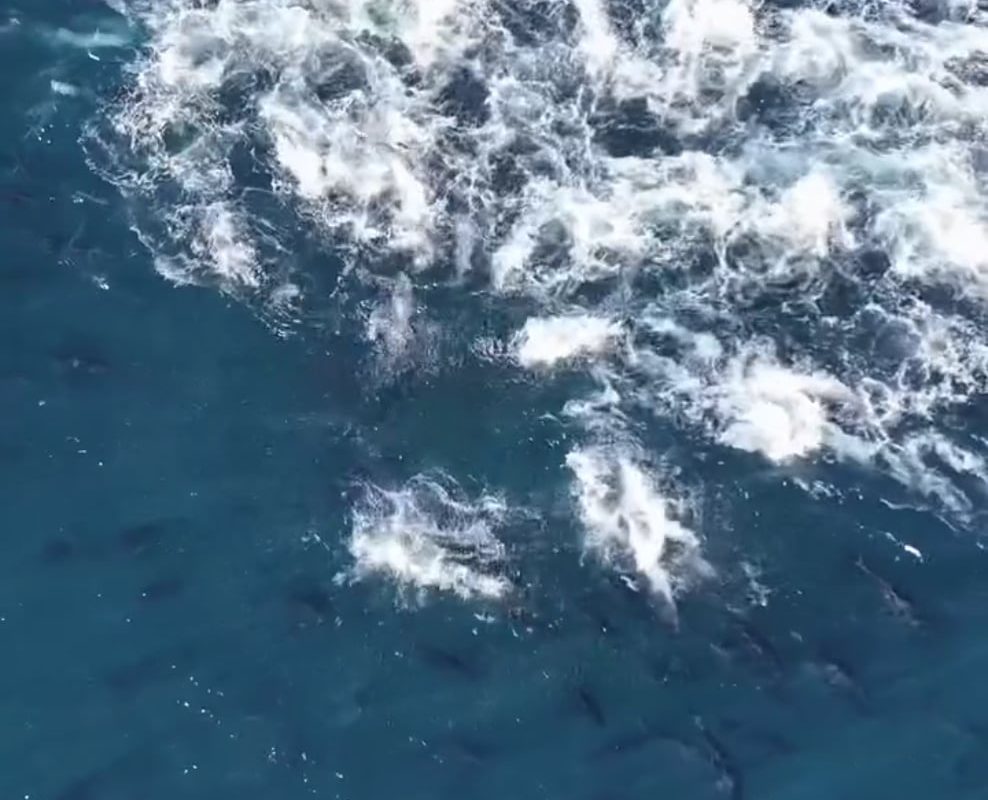
Shoal of thousands of bluefin tuna feeding off the UK coast. Credit: @tunagear.co.uk
Title: Spectacle in UK Waters: Thousands of Bluefin Tuna Stage Feeding Frenzy Off the Coast
Meta Description: Witness the breathtaking return of Atlantic bluefin tuna to UK shores as thousands gather in a rare feeding frenzy. Learn why this ecological marvel is making headlines and how to experience it responsibly.
Atlantic Bluefin Tuna Make a Dramatic Return to UK Waters
In a scene reminiscent of a wildlife documentary, thousands of Atlantic bluefin tuna have been spotted off the UK coastline in a spectacular feeding frenzy. Captured brilliantly by marine photographers at Tuna Gear (@tunagear.co.uk), the event showcases nature’s grandeur as these apex predators—some weighing over 500kg—chase shoals of mackerel and herring through crystal-clear waters.
This phenomenon marks a remarkable ecological turnaround for a species once driven to near-collapse by overfishing. Experts suggest warming seas, stricter conservation measures, and abundant prey are drawing bluefin tuna back to British waters after decades of absence.
Why Is This Event So Significant?
-
Conservation Success Story:
Bluefin tuna populations crashed in the 1990s due to rampant commercial fishing. Now, strict EU quotas and international protections (led by ICCAT) have enabled a slow recovery. Their return to the UK signals hope for marine biodiversity. -
Climate-Driven Shifts:
Warming ocean temperatures are expanding the tuna’s feeding grounds northward. UK waters, now rich in plankton and small fish, provide ideal conditions for migratory “hotspots.” -
Ecosystem Health Indicator:
As top predators, bluefin tuna stabilize marine food chains. Their presence confirms the UK’s coastal ecosystems can support large pelagic species again—good news for dolphins, seabirds, and other wildlife.
Where and When to Spot the Frenzy
The shoals have been most active off Cornwall, Devon, and the southwestern coast during late summer and autumn. Boat tours and wildlife enthusiasts report sightings near:
- Lizard Peninsula (Cornwall)
- Lundy Island (Bristol Channel)
- Isles of Scilly
⚠️ Responsible Viewing Tip: Maintain a safe distance to avoid disturbing the tuna. Use eco-certified tour operators committed to low-impact practices.
Sustainable Tourism & Photography Opportunities
The event has sparked a surge in wildlife tourism. Tuna Gear (@tunagear.co.uk), whose stunning images went viral, emphasizes ethical photography: “Drones and underwater cameras can capture the action without intrusion. Always prioritize the animals’ welfare.”
The Future of Bluefin Tuna in UK Seas
While the spectacle is awe-inspiring, scientists urge caution. Climate change and potential overfishing threats loom, making continued conservation efforts critical. Organizations like the Blue Marine Foundation advocate for Marine Protected Areas (MPAs) to safeguard these migratory routes.
Dr. Emily Parker, a marine biologist at Plymouth University, states: “This isn’t just a show—it’s a call to action. Protecting our seas ensures future generations can witness such wonders.”
How You Can Help
- Support sustainable seafood choices (check MSC-certified products).
- Report sightings to conservation groups like The Shark Trust to aid research.
- Reduce plastic waste to protect tuna prey species.
Conclusion: A Testament to Nature’s Resilience
The shoals of bluefin tuna off the UK coast are more than a visual feast—they symbolize what’s possible when conservation, policy, and public awareness align. As Britons rejoice in this ecological revival, the focus must remain on preserving our oceans for the tuna’s long-term survival.
Credit: Stunning imagery courtesy of @tunagear.co.uk.
#BluefinTuna #UKWildlife #MarineConservation #OceanRecovery #SustainableFishing #TunaMigration #ClimateImpact
(Image: Aerial shot of bluefin tuna shoal creating ripples on the water’s surface. Credit: @tunagear.co.uk)
Optimized Keywords:
bluefin tuna UK, tuna feeding frenzy, Atlantic bluefin tuna migration, UK marine wildlife, sustainable tuna tourism, climate change impact on fish, Cornwall wildlife sightings.
Internal Linking Opportunities:
- Link to “UK Marine Protected Areas: What You Need to Know”
- Link to “How Climate Change is Reshaping UK Seas”
- Link to “Best Eco-Friendly Wildlife Tours in Cornwall”
By capturing public imagination and weaving in calls to action, this article merges SEO strength with a conservation-driven narrative—ideal for viral sharing and search engine visibility.