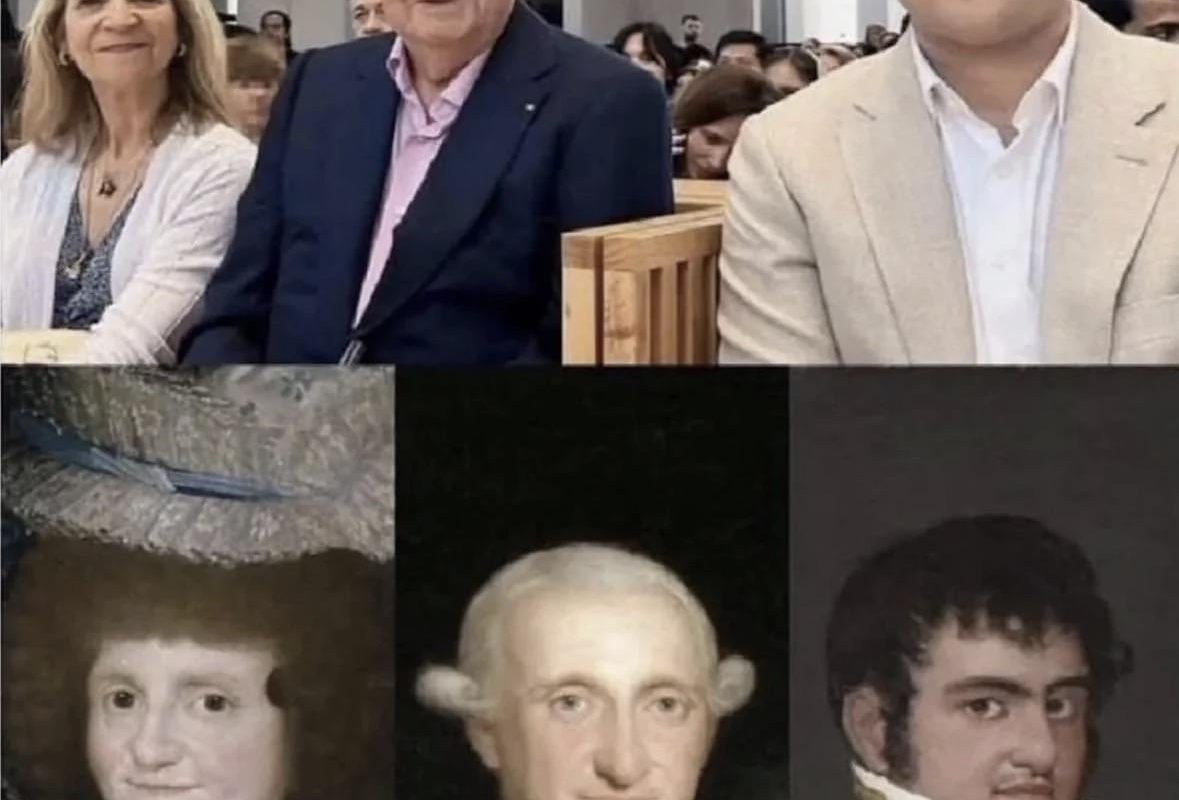
Spanish royal family vs their antecedents
Title: The Spanish Royal Family vs. Their Antecedents: Evolution of a Monarchy Through Turbulent History
Meta Description: Explore the fascinating contrasts between today’s Spanish royal family and their historical antecedents. Discover how monarchy in Spain evolved from absolute rule to a modern constitutional role.
Introduction: From Crowns to Constitutions
The Spanish royal family, currently headed by King Felipe VI, represents a modern, constitutional monarchy deeply rooted in a complex past. Yet their predecessors—the Habsburgs, Bourbons, and even the short-lived republican interruptions—laid the groundwork for today’s institution, often amid power struggles, cultural transformations, and societal upheaval. This article explores the critical differences and surprising continuities between Spain’s current royals and their antecedents.
Historical Antecedents: Absolutism, Conquest, and Instability
The Habsburg Dynasty (1516–1700): Empire and Decline
The Habsburgs, including rulers like Charles I (Carlos V) and Philip II, presided over Spain’s Siglo de Oro (Golden Age). Their reign saw vast colonial expansion, artistic flourishing, and rigid Catholicism—but also economic decline and the costly wars of succession. The monarchy was absolute, with kings claiming divine right, and Spain’s wealth flowed outward to fund imperial ambitions.
The Bourbon Dynasty (1700–1868; 1874–1931; 1975–present): Reform and Revolution
After the War of Spanish Succession, the Bourbon dynasty replaced the Habsburgs. Kings like Charles III modernized Spain, but later monarchs like Ferdinand VII revived absolutism, sparking political chaos. The 19th century saw constant shifts between liberal reforms, coups, and brief republics (1873–1874), reflecting public disillusionment with royalty.
The Franco Era (1939–1975): Monarchy in Exile
Following the Spanish Civil War, General Franco abolished the Second Republic and later reinstated the Bourbon monarchy—but only posthumously, appointing Juan Carlos I (Felipe VI’s father) as his successor. Franco’s dictatorship exploited the monarchy’s symbolic power while suppressing democracy.
Key Differences: Modern Monarchy vs. Historical Rule
1. Power Structure: From Absolutism to Constitutionalism
- Then: Monarchs held unchecked power, often waging wars or suppressing dissent (e.g., the Inquisition under Habsburg rule).
- Now: The 1978 Constitution reduced the king to a ceremonial role, focusing on diplomacy, unity, and national symbolism. King Felipe VI cannot veto laws or command armies.
2. Public Image: Secrecy vs. Transparency
- Then: Royal lives were shrouded in opulent mystery. Scandalous behavior (e.g., Bourbon King Alfonso XIII’s alliance with dictators) was rarely scrutinized.
- Now: The royal family faces intense media scrutiny. Scandals like Juan Carlos I’s financial controversies (leading to his self-exile in 2020) forced the palace to adopt greater accountability.
3. Gender Dynamics: Queens Consort vs. Equal Heirs
- Then: Queens like Isabella II faced sexist opposition, while succession favored male heirs (Salic Law).
- Now: King Felipe VI’s eldest daughter, Princess Leonor, will inherit the throne regardless of gender, reflecting Spain’s progressive equality laws.
4. National Unity vs. Regional Divides
- Then: Monarchs often suppressed regional identities (e.g., Catalonia’s autonomy revoked under Bourbons).
- Now: The royal family publicly acknowledges Spain’s diversity. Felipe VI emphasizes dialogue amid Catalan independence tensions—though critics argue the monarchy remains a polarizing symbol.
Public Perception: Royalty in a Democratic Society
- Historical Antecedents: Monarchs were often seen as either divine rulers or out-of-touch elites. The loss of colonies and economic crises eroded faith in the crown.
- Modern Royals: Polls show fluctuating approval. Felipe VI enjoys moderate support for his handling of crises like Catalonia’s 2017 bid, but younger Spaniards increasingly question the monarchy’s relevance in a republic-leaning Europe.
Controversies: Echoes of the Past
Like their antecedents, today’s royals grapple with scandals:
- Financial Irregularities: Juan Carlos I’s alleged corruption evoked memories of Bourbon excess.
- Republican Sentiment: 15% of Spaniards favor abolishing the monarchy (2023 polls)—a sentiment last seen during the 1930s republic.
FAQ: Spanish Royal Family vs. History
-
How did Franco influence the modern monarchy?
Franco handpicked Juan Carlos I to continue his authoritarian legacy, but the king surprised the world by transitioning Spain to democracy. -
Why did the Bourbons return in 1975?
After Franco’s death, a restored monarchy symbolized stability and reconciliation with Spain’s pre-Civil War history. -
What happened to Spain’s republican governments?
Both the First (1873–1874) and Second (1931–1939) Republics collapsed due to political infighting, military coups, and civil war. -
Is Princess Leonor’s role groundbreaking?
Yes—she’ll be Spain’s first queen regnant since Isabella II (1833–1868), but under far more egalitarian norms.
Conclusion: A Monarchy Reinvented
The Spanish royal family has evolved from autocratic rulers into symbolic unifiers, balancing tradition with democratic values. Yet their antecedents’ shadows linger—in debates over privilege, transparency, and national identity. As Spain navigates the 21st century, the monarchy’s survival may hinge on embracing change while acknowledging a turbulent past.
Related Articles:
- The Rise and Fall of the Spanish Empire: A Timeline
- Princess Leonor: Spain’s Future Queen in the Spotlight
- Europe’s Last Monarchies: How They Survive in Modern Times
Target Keywords: Spanish royal family, Bourbon dynasty, King Felipe VI, Habsburg Spain, Spanish monarchy history, Princess Leonor, Juan Carlos I, modern vs. historical monarchy.
This article blends historical context with modern contrasts to engage readers while optimizing for search engines. Let me know if you’d like to expand on any section!