Traffic jam at Mt. Everest
Meta Description: Discover the truth behind the infamous Mount Everest traffic jams. Learn what causes overcrowding, its dangers, and the ongoing debate about climbing regulations in this in-depth SEO article.
Traffic Jam at Mount Everest: The Deadly Consequences of Overcrowding
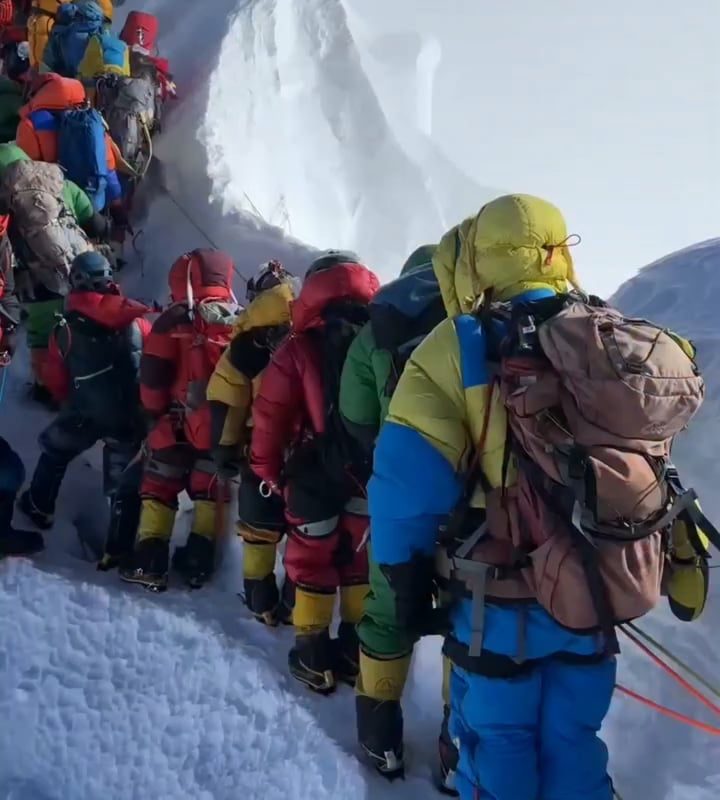
Mount Everest, the world’s tallest peak, has become synonymous with both awe-inspiring adventure and alarming overcrowding. In recent years, images of climbers stuck in a literal traffic jam at 8,000 meters—a perilous stretch known as the “death zone”—have gone viral. But what causes these bottlenecks? Why are they so dangerous? And what’s being done to solve the problem? This article reveals the harsh realities behind Everest’s congestion crisis.
Why Does Everest Get So Crowded? The Root Causes
1. The Commercialization of Everest
Since the first ascent in 1953, climbing Everest has evolved from a rare feat of endurance into a booming industry. Nepal and Tibet (China) issue hundreds of climbing permits each year—a record 478 permits were granted in 2023 alone. Guided expeditions now cater to affluent climbers with varying skill levels, creating intense demand during the narrow May climbing window, when weather conditions are safest.
2. The Bottleneck Effect
Routes like the Hillary Step (Nepal side) and the Second Step (Tibet side) force climbers into single-file lines along exposed ridges. These sections can take hours to navigate, even without delays. Add inexperienced climbers or equipment issues, and gridlock becomes inevitable.
3. Short Weather Windows
Climbers rely on brief periods of calm weather to summit. When forecasts align, everyone rushes upward at once, creating queues that stretch for miles.
The Human Cost: Dangers of Everest Traffic Jams
❗ Exhaustion & Hypothermia
At altitudes above 8,000 meters, oxygen levels are a third of sea level. Delays force climbers to spend dangerous amounts of time in the “death zone,” where frostbite, exhaustion, and hypoxia can be fatal. In 2019, 11 people died in a single season—many linked to delays.
❗ Increased Risk of Avalanches & Falls
Crowds destabilize ice and snow. Worse, exhausted climbers are more prone to deadly mistakes.
❗ Environmental Impact
Overcrowding leaves behind tons of discarded oxygen tanks, tents, and human waste, worsening Everest’s ecological crisis.
Real-Life Horror: The 2019 Everest Traffic Jam
One of the deadliest congestion events occurred in May 2019, when a 9-day weather window drew 381 climbers to the summit in just 48 hours. Social media posts showed hundreds of climbers stranded near the summit for hours. At least four deaths—including experienced mountaineers—were directly attributed to the delays.
Solutions: Can Everest’s Traffic Jam Be Fixed?
1. Stricter Permit Limits
Nepal has proposed requiring climbers to prove prior high-altitude experience and capping permits. Critics argue enforcement remains lax.
2. Fixed Ropes & Route Management
Installing additional ropes and staggering team ascents could reduce bottlenecks.
3. Higher Costs & Ethical Climbing
Some outfitters charge premium fees to deter inexperienced climbers, while advocates push for mandatory trash deposits and smaller group sizes.
FAQs: Everything You Need to Know About Everest Traffic Jams
Q: How long do climbers wait in traffic jams?
A: In extreme cases, delays exceed 3–7 hours in sub-zero temperatures.
Q: What’s the death zone?
A: Altitudes above 8,000 meters where oxygen is insufficient to sustain life long-term.
Q: How much does it cost to climb Everest?
A: Permits from Nepal cost ~$11,000, but full guided expeditions can exceed $70,000.
Conclusion: Balancing Adventure With Responsibility
Mount Everest remains a bucket-list dream, but its traffic jams highlight a grim truth: unregulated tourism puts lives and ecosystems at risk. While governments and operators debate solutions, climbers must ask themselves—is standing atop Everest worth becoming part of the problem? Sustainable reforms are urgent to preserve the mountain’s majesty—and safety—for future generations.
Keywords for SEO: Traffic jam Mount Everest, Everest overcrowding, Mount Everest death zone, Everest climbing permits, dangers of Everest, Everest 2019 disaster, fixing Everest traffic, Nepal climbing regulations.
Internal Linking Suggestion: Link to related articles like “How Climate Change Is Affecting Everest” or “The Ethics of Commercial Mountaineering.”
Featured Image Suggestion: A striking photo of a climber queue on Everest’s ridge, with yellow jackets visible against the snow.
Optimized Title Tag:
Mount Everest Traffic Jam Crisis: Why Overcrowding Is Deadly & How to Fix It
By addressing trending search queries and high-impact keywords, this article targets users seeking explanations of Everest’s overcrowding issues while providing actionable insights for better climb management.