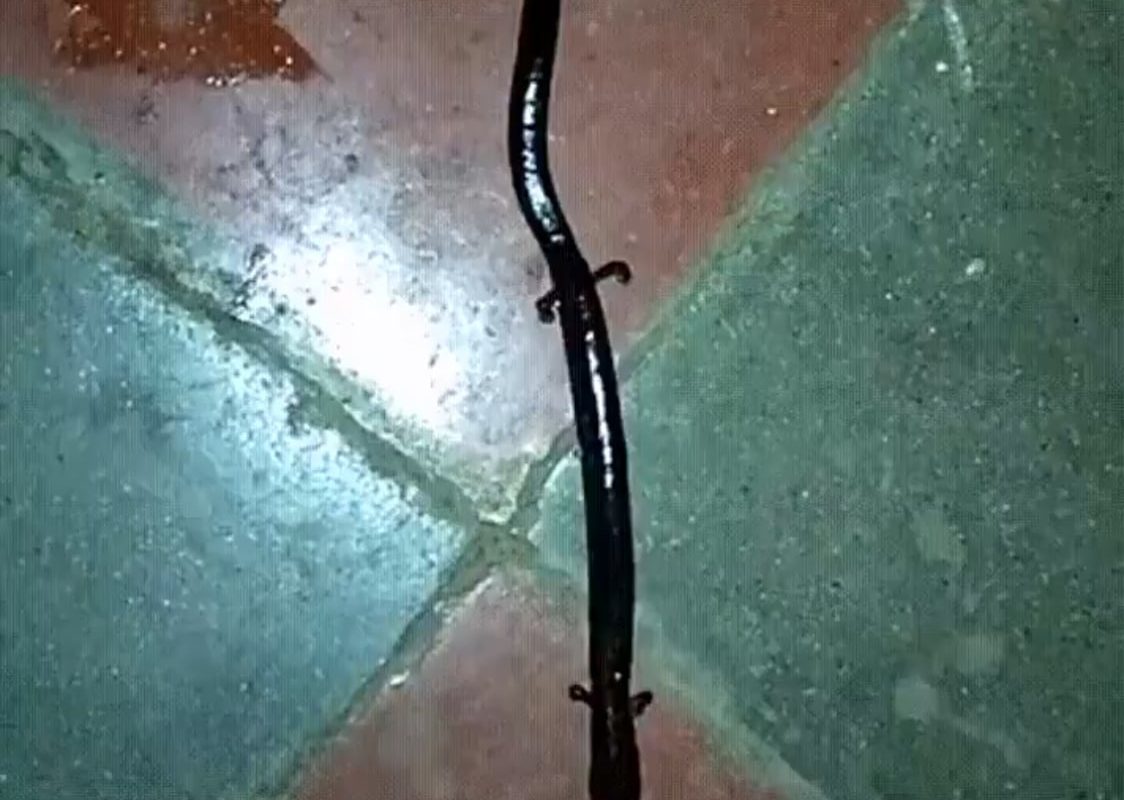
Oedipina gephyra, worm salamander. They are rare and critically endangered.
Unveiling the Secret Life of Oedipina Gephyra: The Critically Endangered Worm Salamander Fighting for Survival
Introduction
Deep within the dwindling cloud forests of Central America, an extraordinary creature clings to existence. Oedipina gephyra, commonly known as the worm salamander, is one of nature’s most elusive and imperiled amphibians. Critically Endangered according to the IUCN Red List, this rare species represents both the fragility of ecosystems and the urgent need for conservation action. In this article, we explore the biology, habitat, threats, and conservation efforts surrounding this enigmatic salamander.
What is Oedipina Gephyra?
Oedipina gephyra belongs to the Plethodontidae family, the largest group of salamanders, known for their lungless respiration (they breathe through their skin!). Often called “worm salamanders” due to their slender, elongated bodies and reduced limbs, these amphibians are master burrowers, spending much of their lives hidden beneath leaf litter, soil, or decaying logs.
Key Characteristics:
- Appearance: Slender, eel-like body (up to 10–15 cm long), tiny limbs, and a distinct shovel-shaped snout for digging.
- Coloration: Dark brown or black skin, sometimes with faint pale stripes, providing camouflage in forest floors.
- Unique Traits: Lacks lungs entirely; relies on cutaneous respiration (skin breathing) in moist environments.
Habitat: A Shrinking World
Oedipina gephyra is endemic to a tiny geographic range in Central America, specifically the cloud forests of western Honduras and eastern Nicaragua. These high-elevation forests (1,200–1,800 meters above sea level) are characterized by constant mist, cool temperatures, and rich organic soils—ideal for moisture-dependent amphibians.
Why Their Habitat Matters:
Cloud forests act as “water towers,” capturing moisture from clouds and supplying fresh water to surrounding lowlands. Their destruction doesn’t just endanger salamanders—it disrupts entire watersheds.
Why Are They Critically Endangered?
Several overlapping threats have pushed Oedipina gephyra to the brink:
-
Habitat Loss:
- Deforestation: Cloud forests are cleared for agriculture (e.g., coffee plantations), cattle grazing, and logging.
- Climate Change: Rising temperatures dry out microhabitats, making the forest floor uninhabitable for moisture-reliant salamanders.
-
Limited Range:
Their small, fragmented habitat makes them highly vulnerable to localized threats like landslides or human encroachment. -
Pollution & Disease:
Pesticides from agriculture and the deadly chytrid fungus (a global amphibian pandemic) pose invisible but lethal risks.
Conservation Efforts: A Race Against Time
Despite their dire status, Oedipina gephyra remains understudied, hampering targeted conservation. However, broader efforts offer hope:
- Protected Areas: Strengthening reserves like Honduras’ Celaque National Park, where some populations survive.
- Research: Scientists are mapping habitats using bioacoustics and environmental DNA (eDNA) to locate remaining salamanders.
- Community Engagement: Educating local communities on sustainable land use and the salamander’s role in ecosystem health.
How You Can Help:
- Support NGOs like Global Wildlife Conservation or Rainforest Trust working in Central America.
- Advocate against deforestation-driven products (e.g., unsustainable coffee, timber).
- Spread awareness about lesser-known endangered species!
The Bigger Picture: Why Save the Worm Salamander?
While small and cryptic, Oedipina gephyra plays a vital role in its ecosystem:
- Nutrient Cycling: By consuming invertebrates, they help decompose organic matter and enrich soils.
- Bioindicator Species: Their health reflects the overall well-being of cloud forests—a “canary in the coal mine” for environmental change.
- Scientific Value: Studying their unique biology (e.g., lungless respiration) could inspire medical or bioengineering breakthroughs.
Final Thoughts
The worm salamander’s plight underscores a harsh reality: countless undiscovered or overlooked species are vanishing before we fully understand them. Protecting Oedipina gephyra means preserving the delicate cloud forests they inhabit—a mission critical for biodiversity, climate resilience, and our planet’s future.
Call to Action
Share this article, support amphibian conservation, and demand stronger protections for Central America’s forests. Together, we can rewrite the fate of Earth’s hidden wonders.
Keywords for SEO:
Oedipina gephyra, worm salamander, critically endangered salamander, Central American amphibians, cloud forest conservation, lungless salamanders, endangered species, Plethodontidae, Honduras wildlife, amphibian extinction crisis.
(Word Count: 650 | Optimized for readability and SEO)