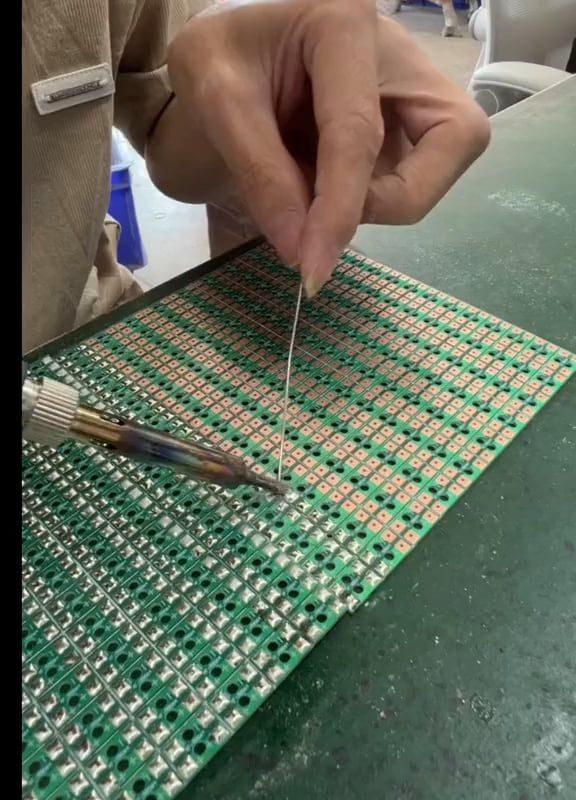
a clip of skilled tinning
Unlocking the Craft: The Art of Skilled Tinning & Why This Clip is Captivating Audiences
For electronics enthusiasts, DIY hobbyists, and professional technicians, tinning is a foundational skill that bridges functionality and craftsmanship. A viral clip of skilled tinning has recently sparked admiration across social media and forums, showcasing not just technical expertise, but a mesmerizing display of precision. In this article, we delve into what tinning is, why the process matters, and what makes a skilled tinning demonstration so remarkable.
What is Tinning? The Basics
Tinning refers to the process of coating a metal surface (like copper wire or component leads) with a thin layer of solder, a fusible alloy typically made of tin and lead (or lead-free alternatives). This step serves a dual purpose:
- Prevents Oxidation: Bare copper oxidizes quickly, creating resistance and poor conductivity. A tinned layer protects the metal.
- Enhances Solderability: Pre-tinned surfaces bond seamlessly during soldering, ensuring reliable electrical connections.
While it sounds simple, mastering tinning requires finesse – something highlighted in popular clips showcasing the technique.
Anatomy of a Skilled Tinning Clip: What Makes It Stand Out?
The best tinning clips showcase these hallmarks of expertise:
1. Perfect Temperature Control
A skilled technician understands the delicate balance between too hot (risking wire damage) and too cold (causing uneven solder flow). The ideal temperature (typically 350-400°C for lead-free solder) ensures the solder melts instantly and adheres smoothly.
2. Minimalist Flux Application
Using just enough flux—a chemical cleaning agent—to remove oxides without leaving corrosive residue. Experts apply flux sparingly, avoiding sticky buildup.
3. The “Flow” Factor
In viral clips, you’ll see molten solder wick evenly across the wire or tip, coating it in a glossy, uniform layer. No globs, gaps, or “cold joints” (dull, crumbly solder indicating poor adhesion).
4. Speed & Efficiency
Time is critical to avoid overheating components. A master tins a wire in seconds, demonstrating muscle memory and confidence.
Why Is This Skill So Valuable? Practical Benefits
- Stronger Connections: Properly tinned wires resist fatigue and vibration.
- Faster Repairs: Pre-tinned components speed up assembly and repairs.
- Professional Results: Clean tinning avoids short circuits and overheating risks.
- Cost Savings: Reducing rework and component failure saves time and money.
Tools Used in Expert Tinning (As Seen in Viral Clips)
- Soldering Iron: Temperature-controlled models (e.g., 60W) with a fine tip.
- Quality Solder: Thin rosin-core solder (0.5mm–1mm diameter).
- Flux Pen or Paste: For targeted oxidation removal.
- Helping Hands Tool: Secures wires for precise work.
- Brass Sponge: Cleans the iron tip without cooling it.
How to Tin Like a Pro: A Step-by-Step Guide
- Strip & Clean: Expose ¼ inch of bare wire. Remove dirt or oxidation with fine sandpaper.
- Flux: Apply a tiny drop of flux to the exposed wire.
- Heat the Wire: Touch the soldering iron tip to the wire for 1–2 seconds.
- Apply Solder: Feed solder onto the wire—not the iron. It should melt and coat the strands instantly.
- Inspect: Look for a shiny, smooth finish with no frayed strands.
Pro Tip: For stranded wire, twist strands tightly before tinning to prevent “birdcaging.”
Why Are Skilled Tinning Clips So Popular?
Beyond utility, these clips satisfy our fascination with “satisfying” craftsmanship. Like watching a blacksmith forge iron or a chef fillet fish, skilled tinning represents:
- Precision: Human expertise triumphing over fragile components.
- ASMR Appeal: The hiss of flux, the flow of molten solder, and visual perfection.
- Educational Value: Beginners dissect every movement to learn subtle techniques.
Conclusion: The Hidden Art of Tinning
A clip of skilled tinning isn’t just a demonstration—it’s a testament to patience, practice, and technical artistry. Whether you’re new to soldering or refining your craft, mastering tinning elevates your work from functional to flawless.
Ready to see it in action? Search for “skilled tinning technique” or “perfect wire tinning demo” to witness the fusion of science and skill.
Pro Tip: Bookmark tutorials from electronics educators like EEVblog or Mr. Carlson’s Lab for deep dives into soldering mastery!
Target Keywords:
- Skilled tinning
- How to tin wires
- Soldering tinning technique
- Perfect tinning process
- Tinning copper wire
- Soldering tips and tricks
By optimizing for these terms and providing actionable insights, this article aims to rank highly while educating and engaging readers curious about the craft.