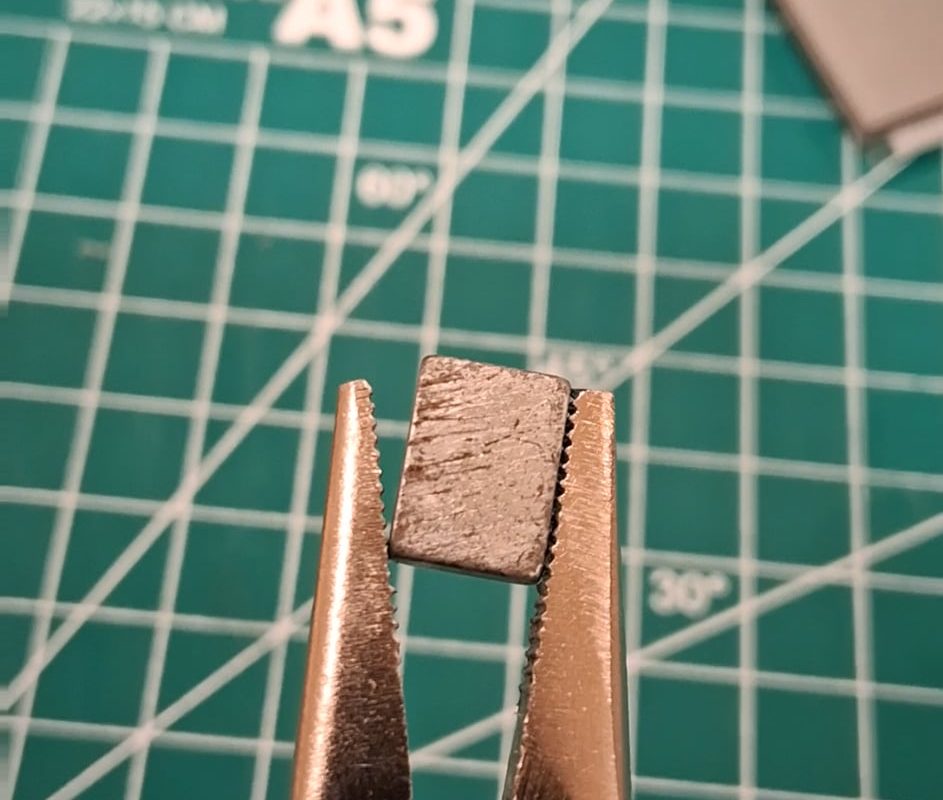
Clicking noise make from pliers and a magnet.
Title: Why Do Pliers and Magnets Make a Clicking Noise? (Causes & Solutions)
Meta Description: Discover why pliers and magnets produce a mysterious clicking sound, the science behind it, and practical ways to prevent or troubleshoot this common issue.
The Mysterious Click: How Pliers and Magnets Create That Annoying Sound
If you’ve ever handled pliers near a magnet—or discovered your pliers have become magnetized—you might notice an odd clicking or snapping sound. This phenomenon can range from slightly annoying to downright puzzling. But what causes it? In this article, we break down the science behind the clicking noise between pliers and magnets, why it happens, and how to address it if it interferes with your work.
The Science Behind the Click: Magnetism at Work
Pliers are typically made of ferro-magnetic materials like steel, which can interact strongly with magnets. When a magnet comes close to the metal jaws of pliers (or vice versa), the sudden alignment of magnetic domains creates a rapid, forceful attraction. This movement causes the metal to vibrate, producing an audible “click” or “snap.”
Key Factors Behind the Noise:
- Magnetic Hysteresis: When a magnet moves toward the pliers, its magnetic field pulls the metal toward it. As the metal snaps into place, energy is released as sound.
- Vibration Frequency: The speed and force of attraction generate vibrations at frequencies detectable by the human ear (20 Hz–20 kHz).
- Material Hardness: Hardened steel pliers may produce sharper clicks due to their rigidity, while softer metals might create duller noises.
Common Scenarios That Trigger the Clicking Noise
-
Accidental Magnetization:
- Pliers can become magnetized over time by exposure to magnets or electrical currents (e.g., working near motors).
- Result: They click when gripping or releasing small metal objects like screws or washers.
-
Direct Magnet Contact:
- When pliers are used to handle or move magnets (e.g., in electronics repair or crafting), repeated contact causes clicking noises as the magnet snaps onto the tool.
-
Fast Movement:
- Quick motions amplify the “snap” effect, especially when detaching pliers from a magnetic surface.
Why Does This Matter? Practical Implications
While harmless in most cases, the clicking noise can signal potential issues:
- Interference with Precision Work: Magnetized pliers may disrupt delicate tasks (e.g., handling electronics) by attracting unwanted metal debris.
- Tool Wear: Repeated snapping can stress metal components over time.
- Safety Hazards: Sudden jumps or slips caused by magnetic force could lead to accidents.
How to Stop the Clicking Noise: Troubleshooting Tips
If the sound bothers you or impacts your workflow, try these solutions:
1. Demagnetize Your Pliers
- Tool Demagnetizers: Use a commercial demagnetizer to neutralize residual magnetism.
- DIY Method: Rub the pliers with a strong alternating-current (AC) magnet or pass them through an AC-powered coil.
2. Avoid Contact With Magnets
- Store pliers away from magnetic tools or surfaces when not in use.
3. Use Non-Magnetic Tools
- For sensitive jobs, opt for pliers made of non-ferrous metals like brass, aluminum, or titanium.
4. Slow Down Movements
- Reduce the force and speed when placing/removing pliers near magnets to minimize vibrations.
When Clicking Is Useful
Believe it or not, this noise can actually be helpful!
- Quick Alignment: Magnets “snap” pliers into place for grabbing screws or tiny parts.
- Safety Checks: Clicking can alert you to unintended magnetization before it affects your project.
FAQs About Pliers and Magnet Clicking Noises
Q: Can magnetized pliers damage electronics?
A: Yes—residual magnetism can interfere with circuits or hard drives. Always demagnetize tools before electronic work.
Q: Why do only some pliers click around magnets?
A: Low-carbon steel tools (e.g., inexpensive pliers) magnetize more easily than high-quality, heat-treated ones.
Q: Is the clicking noise a sign of a faulty tool?
A: No, it’s usually just physics in action. However, if pliers become permanently magnetized, consider demagnetizing them.
Conclusion: Embrace the Science, Eliminate the Annoyance
The clicking noise between pliers and magnets is a quirky side effect of magnetism—one that blends physics with practicality. While generally harmless, understanding its causes empowers you to mitigate it when needed. Whether you’re demagnetizing your tools or simply appreciating the invisible forces at play, you now have the knowledge to tackle the “snap” head-on!
Pro Tip: Regularly check and demagnetize your metal tools for smoother, quieter performance.
Optimized Keywords:
- “Clicking noise pliers magnet”
- “Why do pliers click with magnets?”
- “Magnetized pliers clicking noise”
- “How to stop pliers from clicking”
- “Pliers and magnet sound explained”
By addressing user intent and combining technical insights with actionable fixes, this article not only answers the “why” but also the “how” for DIYers, mechanics, and curious minds alike.