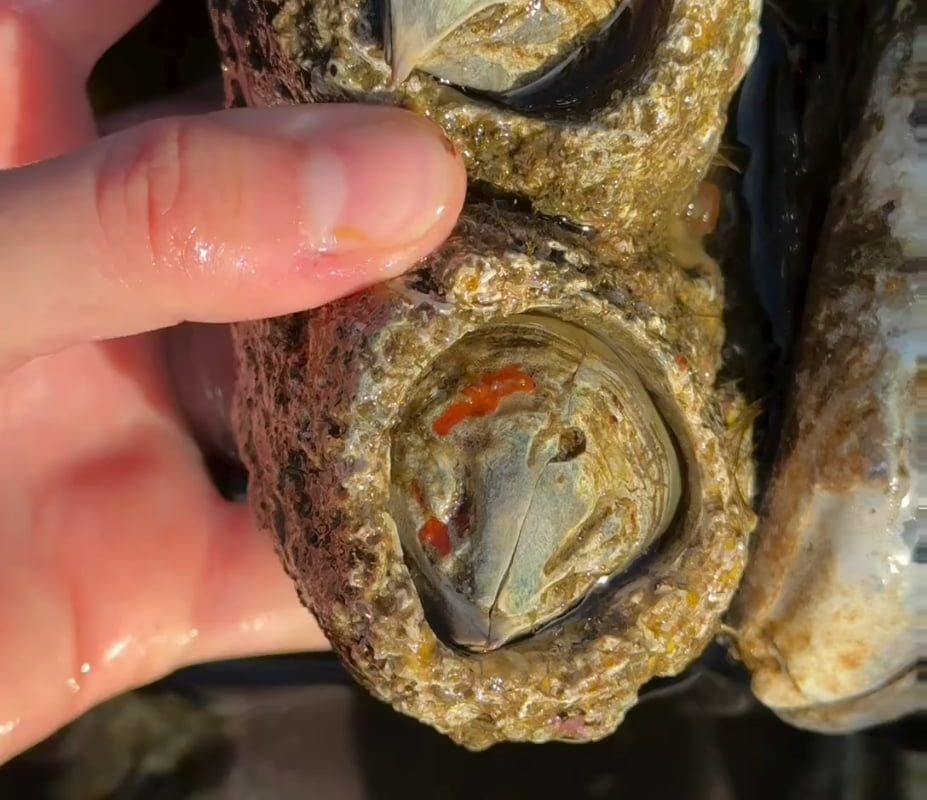
Everything you’ve ever wanted to know about barnacles
H1: Stuck on Barnacles? Everything You’ve Ever Wanted to Know About Nature’s Tenacious Tiny Tenants
From ship hulls to whale skin, barnacles are nature’s ultimate clingers. These unassuming crustaceans (yes, they’re related to crabs and lobsters!) are more fascinating than they appear. In this deep dive, we’ll explore their biology, ecological impact, and surprising superpowers.
H2: What Are Barnacles? Beyond the Shell
Barnacles are marine arthropods belonging to the class Cirripedia. Though they resemble mollusks at first glance, they’re actually crustaceans that cement themselves to surfaces as adults. There are over 1,400 species, split into two main types:
- Acorn Barnacles: Dome-shaped, common on rocks and piers.
- Goose Barnacles: Attached by long, fleshy stalks; often found on driftwood.
H2: Barnacle Biology 101: Anatomy, Feeding & Reproduction
Stuck for Life: How They Work
- Shell Structure: Protective calcium carbonate plates form a cone-like fortress.
- Feeding: Extend feathery legs (cirri) to sweep plankton and detritus from water.
- Cement: Secretes an ultra-strong adhesive (“barnacle glue”) to bond permanently to surfaces.
Wild Reproduction
Barnacles are hermaphrodites but mate with neighbors. They use the longest penis relative to body size in the animal kingdom (up to 8x their length!) to fertilize nearby mates. Eggs hatch into free-swimming larvae:
- Nauplius: Drifts with plankton.
- Cyprid: Searches for a surface using glue-producing glands.
Fun Fact: Darwin studied barnacles for 8 years, revolutionizing taxonomy!
H2: Where Do Barnacles Live? Masters of Extreme Real Estate
Barnacles thrive in intertidal zones—where waves and tides expose them to air, heat, and predators daily. Others live in deeper ocean zones or hitch rides on whales, turtles, and even crabs. Whale barnacles evolved symbiotic relationships, offering protection in exchange for mobility.
H2: Survival Superpowers: How Barnacles Outlast the Elements
- Drought Defense: Seal their plates with a “door” (operculum) to retain moisture.
- Thermal Tolerance: Withstand baking sun and freezing waters.
- Cement Innovation: Their glue works underwater and resists chemicals—inspiring medical adhesives.
H2: Ecological Impact: Ecosystem Engineers & Pests
- Ecosystem Role: Provide food for shorebirds, snails, and fish. Create microhabitats for small creatures.
- Biofouling Menace: Cluster on ships, increasing drag by 60% and costing shipping industries billions annually. Solutions include antifouling paints and robotic cleaners.
H2: Human Interactions: From Nuisance to Innovation
- Bioinspiration: Scientists mimic barnacle glue for tooth coatings and wound adhesives.
- Edible Delicacy: Goose barnacles (“percebes”) are a pricey gourmet treat in Spain and Portugal.
- Climate Indicators: Sensitive to water temperature and pollution, making them environmental sentinels.
H2: FAQ – Quick Barnacle Burning Questions
Q: Are barnacles harmful to animals?
A: Most are harmless hitchhikers, but heavy infestations can slow whales or damage turtle shells.
Q: Do barnacles feel pain?
A: As invertebrates, they lack a centralized nervous system, so pain perception is unlikely.
Q: How long do barnacles live?
A: 5–10 years on average, with some deep-sea species living decades.
Q: Can barnacles move?
A: Only as larvae! Adults are sessile (immobile) once attached.
H2: Conclusion: Small but Mighty Marvels
Barnacles are resilience personified—surviving harsh extremes and reshaping marine ecosystems. Next time you spot their knobby shells on a pier or boat, remember: these tiny titans are key to ocean health, scientific innovation, and the strange beauty of tidepool life.
SEO Keywords: barnacle facts, barnacle glue, how do barnacles reproduce, what do barnacles eat, barnacle life cycle, types of barnacles, are barnacles alive.
Dive deeper—nature’s stickiest survivors have stories to tell! 🦀🌊