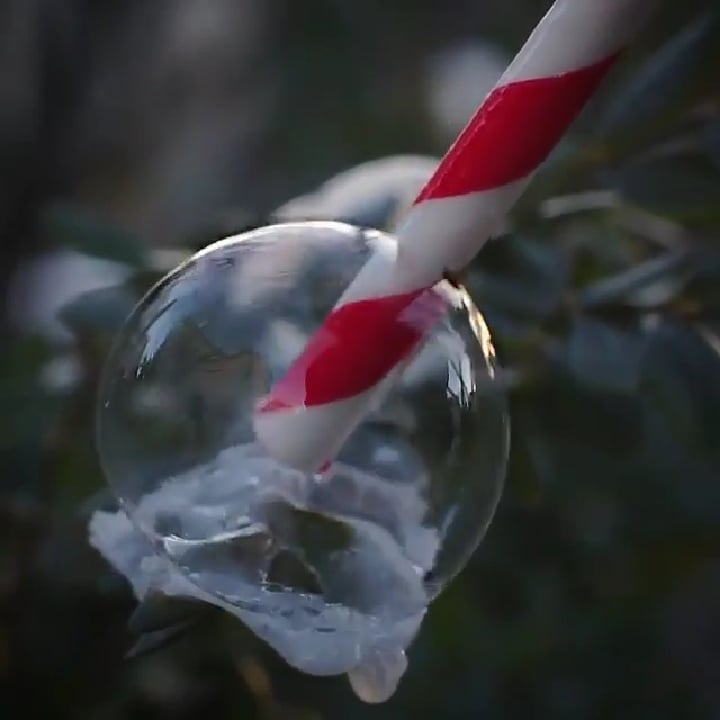
Bubble turning to ice
The Mesmerizing Science of Bubbles Turning to Ice: A Frozen Wonder of Nature
Keywords: frozen bubbles, ice bubbles, freezing bubbles, winter science experiment, cold weather phenomena, bubble photography, how bubbles freeze
Have you ever seen a soap bubble transform into a delicate, glittering ice sculpture in mid-air? This magical winter phenomenon turns a simple childhood pastime into a breathtaking display of science in action. In this article, we’ll explore how bubbles turn to ice, the perfect conditions for freezing them, and how you can recreate this frosty spectacle at home.
The Science Behind Frozen Bubbles
When temperatures plummet below freezing (°0°C / 32°F), ordinary soap bubbles undergo a mesmerizing metamorphosis. Here’s the science behind it:
- Rapid Crystallization: The thin film of soapy water in the bubble begins to freeze upon contact with sub-zero air. Water molecules slow down, forming crystalline structures (ice) in a process called crystallization.
- Ice Propagation: Freezing starts at the base of the bubble where it touches cold surfaces or air, creating intricate feathery ice patterns that spread upward.
- Survival Secrets: Glycerin or corn syrup in bubble solutions helps slow freezing, giving you more time to observe the transformation. Without these additives, bubbles often shatter instantly in extreme cold.
How to Create Frozen Bubbles: A Step-by-Step Guide
Witnessing ice bubbles requires cold weather (below -10°C / 14°F is ideal) and minimal wind. Here’s how to make your own:
What You Need:
- Homemade Bubble Solution: Mix 1 cup water, 2 tbsp dish soap, and 1–2 tbsp glycerin or corn syrup.
- Bubble Wand (or a straw/pipe cleaner).
Method:
- Chill your bubble solution outdoors for 10–15 minutes (prevores rapid freezing).
- Blow bubbles gently onto a cold surface (e.g., snow, a frozen table) or into the air.
- Watch as crystals form within seconds! Lower humidity creates clearer ice; higher humidity yields frosty, textured designs.
Pro Tip: Try this experiment at sunrise or sunset—the low-angle light makes frozen bubbles glow like stained glass!
Why Do Frozen Bubbles Shatter (or Float)?
Unlike liquid bubbles, frozen ones are fragile. Factors like wind, dryness, or impurities can cause them to collapse. However, in perfectly still air, some bubbles freeze intact and drift like tiny snow globes before gently falling. Their survival depends on:
- Temperature Consistency: Extreme cold (-20°C/-4°F) freezes bubbles fastest, preserving their shape.
- Solution Quality: More glycerin = stronger, slower-freezing bubbles.
- Surface Contact: Bubbles blown onto snow freeze into half-sphere “ice domes.”
Photographing Frozen Bubbles: Capturing the Magic
Frozen bubbles are a photographer’s winter dream. For stunning shots:
- Use a Macro Lens: Zoom in on intricate ice patterns.
- Backlight Wisely: Sunlight illuminates rainbows in the ice.
- Shoot Fast: Ice bubbles melt quickly in sunlight or warm hands.
- Time-Lapse: Record the crystallization process over seconds.
Frequently Asked Questions
Q: Can bubbles freeze above 32°F?
A: No—sub-freezing temperatures are essential. The colder the air, the faster the freeze.
Q: Where can I see natural ice bubbles?
A: Frozen lakes (like Alberta’s Lake Abraham) trap methane bubbles in ice layers, creating surreal underwater scenes.
Q: Why do some bubbles turn white when frozen?
A: Air pockets and micro-cracks in the ice scatter light, creating a frosty appearance.
Final Thoughts
Bubbles turning to ice are a fleeting, enchanting intersection of art and science. Whether you’re a photographer, a teacher, or simply a winter enthusiast, this experiment is a stunning reminder of nature’s hidden beauty. Bundle up, grab your bubble mix, and let winter work its alchemy!
Explore More: Search for “frozen bubble time-lapse videos” to see the magic in action!
Boost Your SEO Strategy: Optimize this content by linking to related winter science experiments, cold-weather photography tips, or DIY bubble solution recipes. Target long-tail keywords like “how to freeze bubbles in extreme cold” or “best bubble solution for ice crystals.”