Japan unveils what it calls a “human washing machine”
Japan Unveils World’s First “Human Washing Machine”: The Future of Elderly Care or Sci-Fi Bathing?
Japan has once again pushed the boundaries of innovation with the unveiling of what developers are calling a “human washing machine” – an automated, futuristic bathing system designed to revolutionize personal hygiene and elderly care. Dubbed the Sento-mate, this cylindrical device promises a fully hands-free shower experience, blending robotics, healthcare, and Japan’s renowned love for automation. Here’s everything you need to know about this groundbreaking invention.
What Is the “Human Washing Machine”?
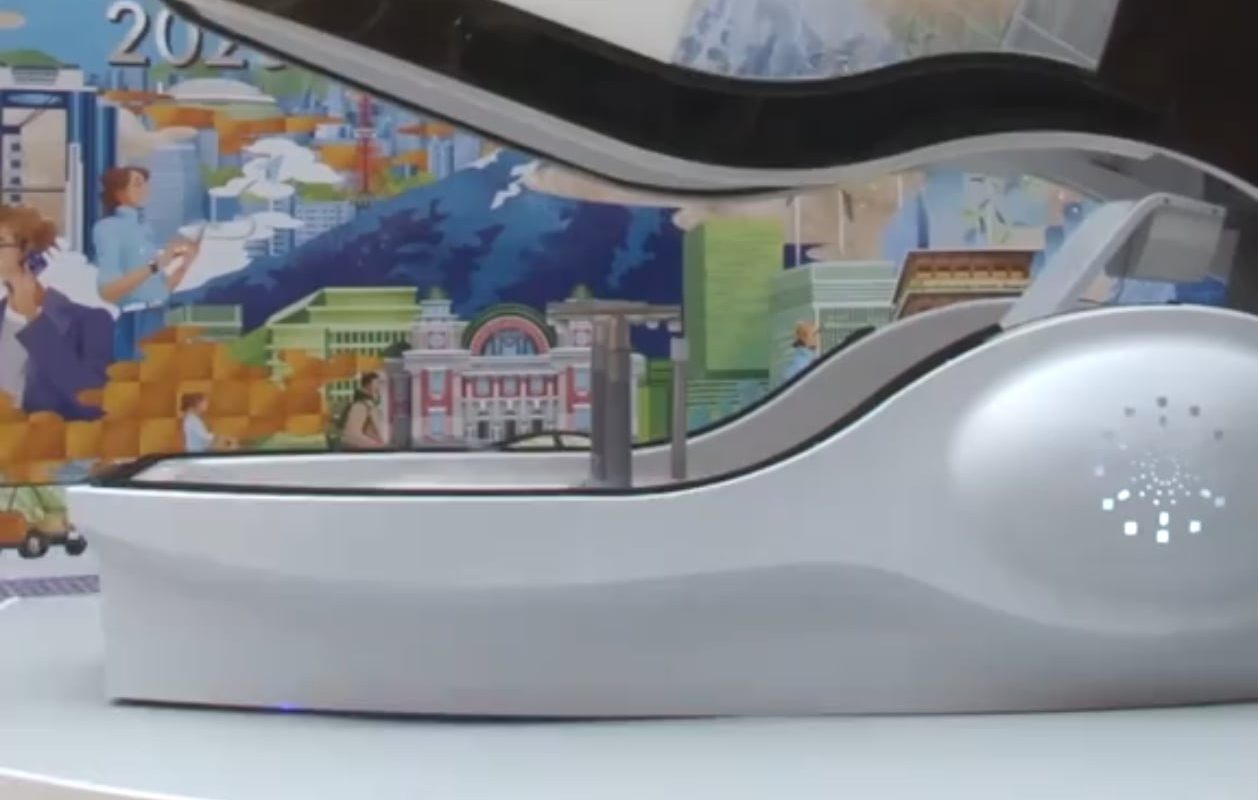
The Sento-mate (named after Japan’s traditional bathhouses, sento) is an enclosed pod-like structure created by Japanese company Science Inc. Resembling a vertical MRI machine or a high-tech shower booth, the device allows users to step inside, sit down, and enjoy a fully automated wash cycle.
How It Works:
- Entry & Seating: Users sit on a waterproof chair inside the transparent booth.
- Automated Cleansing: Overhead nozzles spray warm water and body wash, followed by a gentle scrub using soft robotic arms.
- Rinse & Dry: A warm water rinse precedes a blow-dry system, leaving users clean and towel-free.
- Safety First: Sensors monitor water temperature, pressure, and user movement to prevent discomfort.
The entire process takes roughly 20 minutes and requires no physical effort from the user—ideal for individuals with mobility challenges.
Designed for Japan’s Aging Population
Japan faces a rapidly aging society, with 30% of its population over 65. Caregivers struggle with labor shortages, and assisting elderly individuals with bathing can be physically demanding. The Sento-mate aims to:
- Reduce Caregiver Burden: Automating baths frees up time for medical/nursing staff.
- Preserve Dignity: Offers privacy and independence to seniors who may feel ashamed relying on others.
- Improve Hygiene: Consistent, thorough cleaning reduces infection risks in care facilities.
Science Inc. highlights that the machine isn’t meant to replace human interaction but to complement caregiving with efficiency and compassion.
Current Status & Availability
The Sento-mate is still in the prototype phase, undergoing trials in select nursing homes and hospitals. While no price has been announced, developers aim to make it affordable for medical institutions first, with future plans for luxury home versions. Science Inc. also suggests potential adaptations for fitness centers, spas, and even space travel (where water efficiency is critical).
Public Reaction: Fascination vs. Skepticism
Reactions online have been wildly mixed:
- Supporters praise Japan’s ingenuity, calling it a “necessary evolution” for elder care.
- Critics mock its “human car wash” aesthetics and question whether users will feel comfortable with a machine handling intimate tasks.
Privacy and cultural acceptance remain hurdles, though developers stress that the Sento-mate is optional and tailored to respect user dignity.
The Bigger Picture: Japan’s Tech-Driven Healthcare
The Sento-mate joins Japan’s growing lineup of robotic care aids, including exoskeletons for lifting patients and companion robots like PARO. As the nation grapples with its demographic crisis, such innovations could set a global precedent for merging automation with empathy.
Conclusion: Washing Away Old Problems?
Japan’s “human washing machine” may sound like satire, but it addresses a serious societal need. By blending cutting-edge robotics with compassionate design, the Sento-mate has the potential to transform hygiene routines for millions—proving that even mundane tasks can be reimagined through technology. Whether it becomes a staple in care facilities worldwide or remains a quirky footnote, one thing’s clear: the future of bathing is here, and it’s automated.
Stay tuned for updates on this and other Japanese innovations shaping the world!
SEO Keywords: Japan human washing machine, Sento-mate, automated bathing device, elderly care technology, Science Inc. Japan, robotic healthcare, aging population solutions, future of hygiene, Japanese robotics innovation.