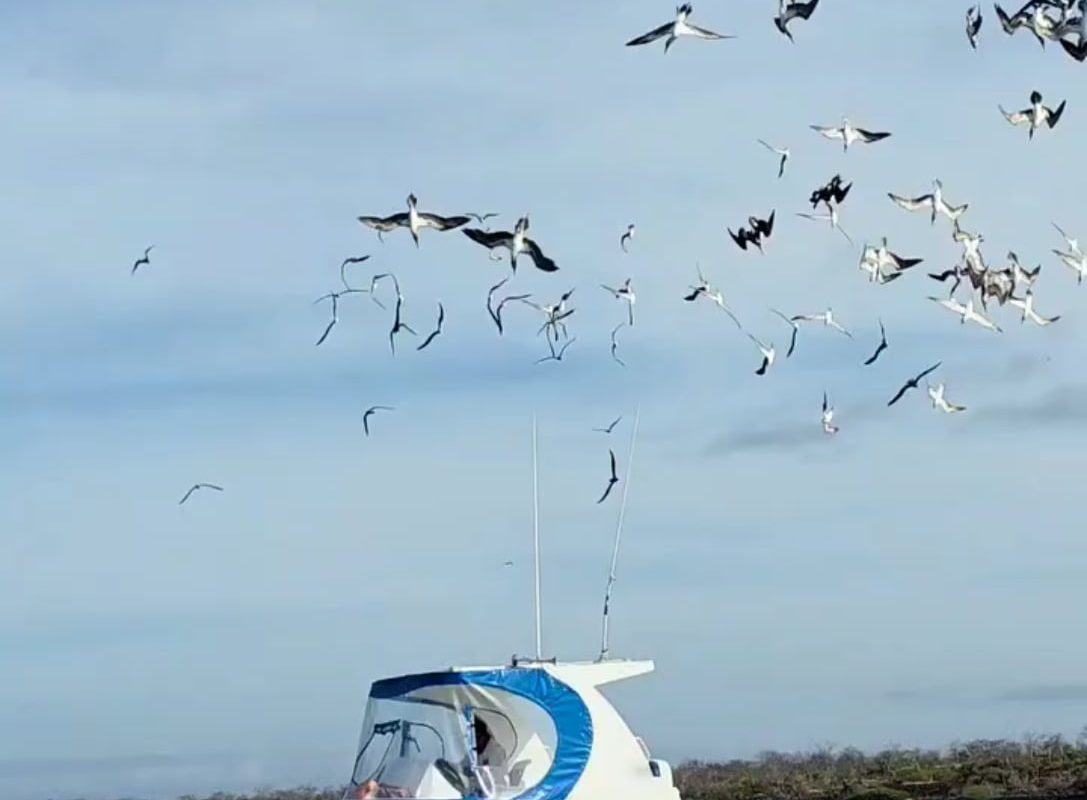
The way these birds are diving and surfacing
The Science and Splendor of Avian Diving: How Birds Master the Art of Underwater Hunting
Birds are often celebrated for their flight, but their underwater prowess is equally astonishing. Species like gannets, cormorants, penguins, and puffins perform gravity-defying dives, plunging into the water with precision before resurfacing moments later—often with prey in tow. This intricate behavior is a marvel of adaptation, combining biology, physics, and instinct. In this article, we explore how these birds dive, hunt, and return to the surface, revealing the secrets behind one of nature’s most captivating spectacles.
The Art of the Dive: How Birds Enter the Water
Not all bird dives are created equal. Depending on the species, diving techniques vary widely:
-
Plunge-Diving:
- Example: Northern Gannets
- Mechanics: Gannets spot fish from heights of up to 130 feet (40 meters), fold their wings back, and free-fall like feathered arrows. They pierce the water at speeds of 60 mph (97 km/h), using momentum to descend 30+ feet underwater.
- Adaptations: Air sacs in their neck and chest cushion the impact, while streamlined bodies minimize drag.
-
Pursuit-Diving:
- Example: Penguins, Auks
- Mechanics: These birds “fly” underwater using modified wings (flippers) to chase prey at depths of 100+ feet. Emperor penguins, for instance, can dive deeper than 1,800 feet (550 meters).
- Adaptations: Dense bones counteract buoyancy, and specialized hemoglobin stores oxygen for prolonged dives.
-
Surface-Diving:
- Example: Ducks, Grebes
- Mechanics: Birds vanish with a quick kick of their webbed feet, submerging headfirst to snatch aquatic plants or insects.
- Adaptations: Waterproof feathers and efficient oxygen use allow repeated dives without fatigue.
Subsurface Strategies: Hunting in an Alien World
Once underwater, birds face challenges like pressure, buoyancy, and limited visibility. Their survival hinges on evolutionary innovations:
- Vision: Cormorants have transparent nictitating membranes (third eyelids) to protect their eyes while hunting in murky water.
- Buoyancy Control: Some species, like puffins, expel air from their feathers to sink faster. Others manipulate air sacs to adjust depth.
- Prey Capture: Herons and kingfishers spear fish with dagger-like bills, while boobies swallow prey whole before resurfacing.
The Return Journey: How Birds Surface Efficiently
Resurfacing requires energy conservation and rapid recovery. Here’s how birds make their exit:
-
Buoyant Ascent:
- Air trapped in feathers creates natural lift, helping lighter birds like terns bob upward effortlessly.
-
Powered Swimming:
- Penguins use their flippers to “fly” back to the surface, sometimes leaping clear of the water (porpoising) to breathe mid-journey.
-
Prey Management:
- Birds like the African darter must dry their waterlogged feathers after diving, often seen perched with wings outstretched.
Why This Matters: Ecological & Scientific Insights
Bird diving behavior offers critical clues about marine ecosystems:
- Indicator Species: Changes in dive patterns can signal shifts in fish populations or water quality.
- Bioinspiration: Engineers study gannets’ hydrodynamics to improve submarine designs, while penguin locomotion informs underwater robotics.
- Climate Resilience: Understanding how diving birds adapt to warming oceans helps conservationists protect vulnerable species.
FAQs About Bird Diving
Q: How do birds hold their breath for so long?
A: Superior oxygen storage (via muscle hemoglobin), slowed heart rates (“dive reflex”), and reduced metabolic rates allow Emperor penguins to stay submerged 20+ minutes.
Q: Do diving birds ever get “the bends”?
A: Rarely. Most avoid rapid ascents, and their anatomy (e.g., collapsible lungs) minimizes nitrogen buildup.
Q: Can all birds dive?
A: No. Anatomy dictates ability—e.g., pelicans’ air sacs make deep dives impossible, limiting them to surface plunges.
Conclusion: A Symphony of Survival
From the kinetic thrill of a gannet’s plunge to the serene grace of a diving loon, these behaviors highlight nature’s ingenuity. As human activities threaten oceans and waterways, protecting diving birds becomes vital—not only for biodiversity but for the awe-inspiring narratives they embody. Next time you witness a bird vanish beneath the waves, remember: you’re watching millions of years of evolution in motion.
Key SEO Terms:
- How birds dive and resurface
- Bird diving mechanics
- Underwater hunting adaptations
- Seabird plunge-diving
- How penguins swim underwater
Meta Description: Discover how birds master underwater hunting—from the physics of plunge-diving to penguin deep-sea pursuits. Learn the science behind avian dives & their ecological importance.
Optimize your site’s content further by linking to related articles on bird adaptations, marine ecosystems, or conservation efforts. Pair with videos of diving birds for enhanced engagement!