The world’s first floating hotel was opened in Australia and it ended up in North Korea
Title: From Australia to North Korea: The Bizarre Voyage of the World’s First Floating Hotel
Meta Description: Discover the wild journey of the world’s first floating hotel—opened in Australia in 1988, sold to North Korea, and transformed into a Cold War-era tourist attraction. Uncover its past, fate, and lasting legacy.
The Genesis: A Floating Marvel in the Great Barrier Reef
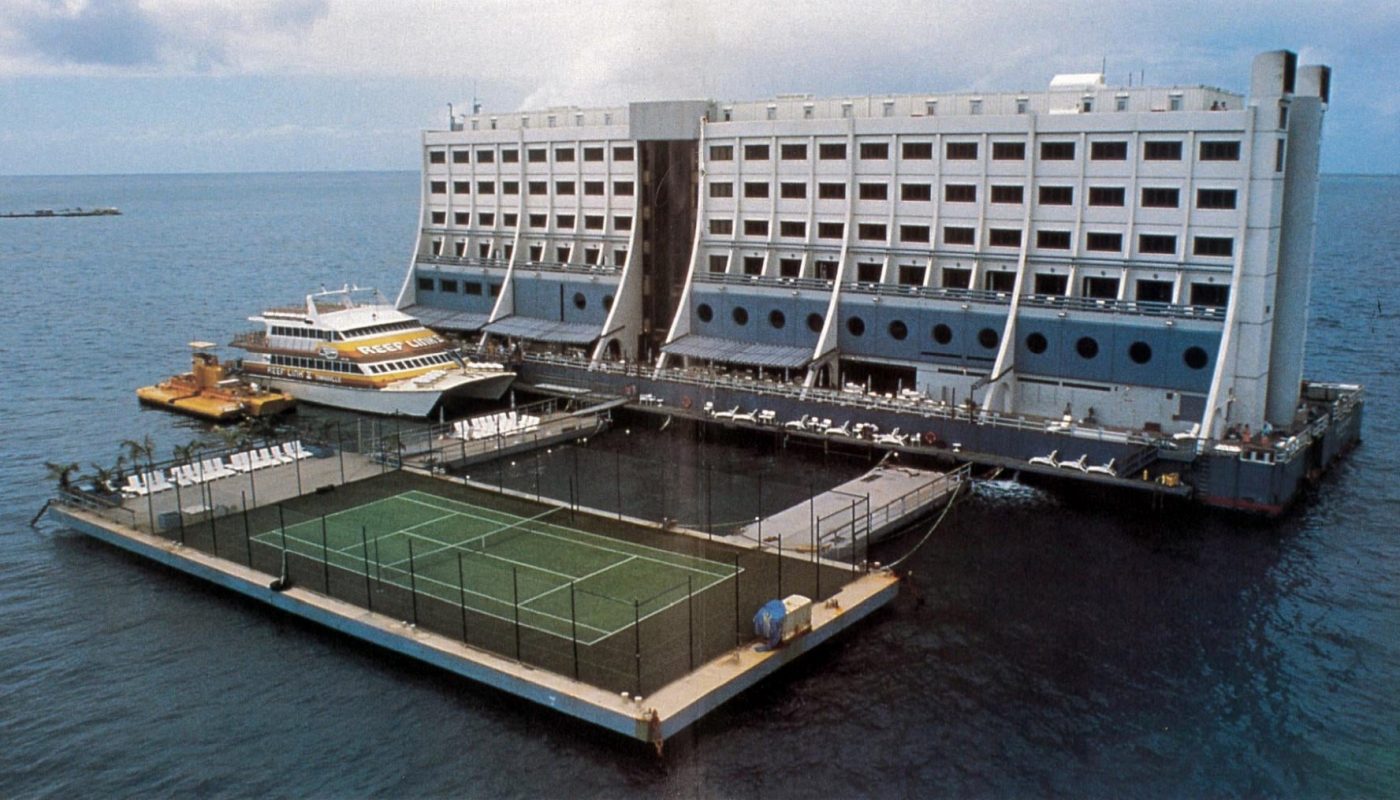
In 1988, Australia made waves in the hospitality industry with the launch of the world’s first floating hotel. Named the “Floatel” (later rebranded as the “Seven Seas Floating Hotel”), this four-star luxury resort was designed to revolutionize tourism in remote, pristine locations. Anchored off Queensland’s Hayman Islands in the Great Barrier Reef, the hotel boasted 200 rooms, a swimming pool, multiple restaurants, a nightclub, and even a helipad. Its creators envisioned it as an eco-friendly solution—a mobile hotel that could bypass land-based construction while offering guests breathtaking ocean views.
But despite its grandeur, the project faced choppy waters from the start. Australia’s strict environmental regulations and cyclonic weather posed challenges, and the venture struggled to attract enough visitors. By 1989, just a year after its launch, the hotel was put up for sale.
An Unexpected Buyer: North Korea’s Secret Tourism Experiment
In a geopolitical twist, the hotel was purchased by North Korea in 1990, reportedly under the personal directive of Kim Jong-il. The reclusive regime saw the floating hotel as a tool to boost its fledgling tourism industry—and project an illusion of prosperity to the world.
Towed 6,000 kilometers (3,700 miles) from Australia to Wonsan, a coastal city on North Korea’s east coast, the hotel was renamed “Hotel Haegumgang” (해금강호텔) after a nearby scenic mountain. It became the crown jewel of Mount Kumgang Tourist Region, a special zone opened to South Korean visitors in 1998 as part of the “Sunshine Policy” era of diplomacy.
For a brief period, the hotel thrived. Wealthy South Korean tourists flocked to the resort, lured by rare access to North Korea’s untouched landscapes. Guests enjoyed casino games, karaoke, and coastal views—though their movements were tightly controlled by state minders.
The Fall: Politics, Tragedy, and Abandonment
The hotel’s success was short-lived. In 2008, North Korean soldiers shot and killed a South Korean tourist who strayed into a restricted zone, leading Seoul to ban travel to the region. Overnight, Hotel Haegumgang lost its primary clientele.
Stranded in a ghost town of crumbling resorts, the floating hotel decayed under North Korean neglect. By 2010, it was reportedly transformed into workers’ housing, stripped of its former luxury. Satellite images in the 2010s showed the structure rusting in Wonsan’s harbor, a far cry from its glamorous origins.
In 2022, reports emerged that North Korea had dismantled the hotel, marking the end of its strange odyssey. Today, no visible trace remains.
Legacy: A Symbol of Failed Ambition
The world’s first floating hotel remains a curious footnote in travel history:
- Technological Pioneer: It proved that mobile, offshore resorts were feasible, inspiring modern concepts like Dubai’s floating hotels and underwater suites.
- Political Pawn: Its journey from capitalist luxury to socialist relic reflects the unpredictability of Cold War-era diplomacy.
- Environmental Cautionary Tale: Its struggles with harsh weather foreshadowed the logistical challenges of building in fragile marine ecosystems.
Conclusion: From Paradise to Propaganda to Ruin
The floating hotel’s voyage—from Australia’s coral paradise to North Korea’s propaganda machine—epitomizes how ambition, politics, and hubris can collide. Once a beacon of innovation, it ended up a casualty of geopolitics, swallowed by a regime infamous for isolation and secrecy.
For travelers curious about its story, only photographs and archives remain. Yet its legacy lives on, a reminder that even the most visionary ideas can sink without the right tides of fortune.
Keywords for SEO: World’s first floating hotel, Floating hotel Australia, Hotel Haegumgang, North Korea floating resort, Seven Seas Floating Hotel, Floating hotel history, Great Barrier Reef hotel, Wonsan North Korea tourism, Kim Jong-il hotel project, Mount Kumgang Tourist Region, Sunshine Policy tourism, abandoned floating hotel.
Hashtags: #FloatingHotel #NorthKoreaMystery #TravelHistory #ColdWarTourism #AbandonedResorts #GreatBarrierReef