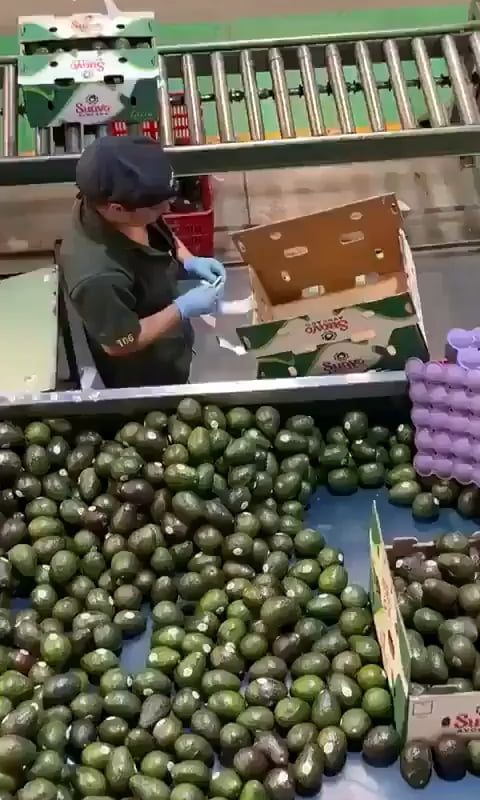
This expert packing of fruits
Expert Fruit Packing: The Science of Protecting Flavor, Freshness & Profit
In the global fruit industry, how you pack produce is just as critical as how you grow it. Expert fruit packing is a meticulous blend of science, logistics, and craftsmanship—transforming delicate harvests into durable cargo without sacrificing quality. Whether you’re a small-scale grower or a commercial exporter, mastering these techniques minimizes waste, extends shelf life, and ensures fruits arrive in market-ready condition.
Why Expert Packing Matters: Beyond the Box
Fruits are living, breathing commodities. Poor packing leads to:
- Bruising, crushing, or punctures during transit.
- Moisture loss, shriveling, and texture degradation.
- Mold growth from trapped humidity or poor ventilation.
- Temperature inconsistencies accelerating spoilage.
According to the FAO, up to 35% of fruits and vegetables are lost post-harvest—often due to subpar handling and packing. Expert methods counteract this, preserving nutritional value, visual appeal, and taste.
The 5 Pillars of Expert Fruit Packing
1. Right-Sized Packaging
Not all fruits are created equal. Packing must match the produce’s size, weight, and fragility:
- Ventilated Crates/Corrugated Boxes: Ideal for apples, citrus, kiwis. Airflow prevents condensation.
- Plastic Clamshells/Punnet Trays: Protect soft berries (strawberries, raspberries) from compression.
- Mesh Bags: Allow breathability for onions, potatoes, or hard citrus.
- Custom Molded Pulp Trays: Cushion peaches, avocados, or mangoes individually.
Pro Tip:
Avoid overfilling containers—leave 1–2 inches of headspace to prevent top-layer crushing.
2. Pre-Cooling & Temperature Control
Rapidly removing field heat is non-negotiable. Most fruits degrade fastest within hours of harvest:
- Hydrocooling (water immersion): Effective for dense produce like melons.
- Forced-Air Cooling: Pulls cold air through palletized boxes (ideal for grapes, stone fruit).
- Cold Room Storage: Maintain pulp temperatures of 32–55°F (vary by fruit type).
3. Protective Cushioning & Wrapping
Minimize friction and impact damage with:
- Tissue Papers or Foam Sleeves: Wrap individual pears, apples, or plums.
- Biodegradable Pads: Absorb excess moisture for tropical fruits like pineapples.
- Dividers/Trays: Prevent jostling in mixed-load shipments.
4. Smart Stacking & Palletization
Weight distribution impacts stability during transit:
- Column Stacking: Align boxes vertically over pallet corners for optimal load-bearing.
- Interlock Stacking: Offset crates like bricks—ideal for delicate produce needing extra stability.
- Use Slip Sheets: Reduce pallet splintering and improve forklift handling.
5. Labeling & Traceability
Clear labels prevent delays and ensure compliance:
- VARIETY (e.g., “Hass Avocados,” “Valencia Oranges”).
- WEIGHT/COUNT, harvest date, and lot number.
- TEMPERATURE REQUIREMENTS (“Keep Refrigerated” vs. “Ambient”).
- ORIGIN and CERTIFICATIONS (Organic, Fair Trade, GlobalG.A.P.).
Best Practices for Maximum Quality Retention
- Sort Before Packing: Remove damaged, overripe, or misshapen fruits.
- Minimize Hand Contact: Wear gloves to reduce microbial transfer.
- Batch Testing: Check pH, firmness, and sugar levels pre-palletization.
- Humidity Control: Use perforated liners to maintain 85–95% RH for most fruits.
Sustainable Packing: The Future of Fruit Logistics
Eco-conscious experts prioritize:
- Recycled/Recyclable Materials: Corrugated cardboard, PLA (plant-based plastic).
- Reusable Containers: RPCs (Reusable Plastic Crates) for closed-loop supply chains.
- Edible Coatings: Beeswax or chitosan barriers to replace plastic wraps.
FAQs: Expert Fruit Packing Demystified
Q: How does ethylene gas affect fruit packing?
A: Ethylene accelerates ripening (e.g., bananas emit it). Pack ethylene-sensitive fruits (like lettuce) separately or use ethylene absorbers.
Q: Should I wash fruits before packing?
A: Depends on the fruit! Apples benefit from washing; berries often ship unwashed to avoid mold. Always dry thoroughly if washed.
Q: How tight should fruit packing be?
A: Snug enough to prevent shifting—but never compressed. “Nestled” is the goal.
Conclusion: Investment in Expertise Pays Off
Expert fruit packing isn’t an expense—it’s an asset. By protecting freshness, reducing loss, and enhancing presentation, businesses command premium prices while cutting waste costs. Whether shipping across states or oceans, precision packing ensures your harvests delight consumers and boost your brand’s reputation for quality.
Ready to optimize your packing process? Consult with post-harvest specialists or conduct a video analysis of your supply chain to spot vulnerabilities before they cost you profit.
Keywords for SEO:
Expert fruit packing, fruit packaging solutions, post-harvest handling, reduce fruit waste, sustainable fruit packaging, fresh produce logistics, fruit shelf-life extension, food-safe packing methods.