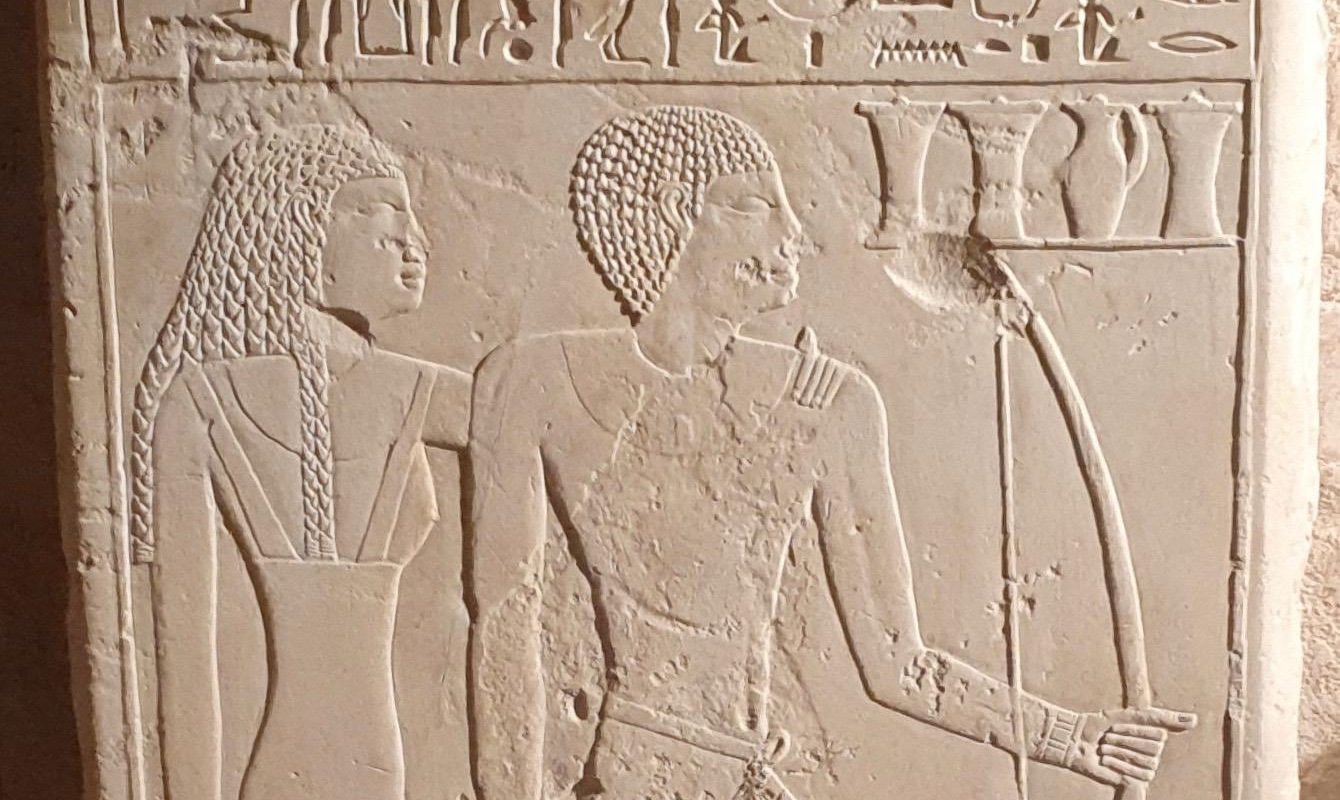
Egyptian stele written by kay/kughi recounting his service to the pharaoh by patrolling the western oases and tracking down fugitives.
Uncovering Ancient Duty: The Egyptian Stele of Kay/Kughi and His Service to the Pharaoh
Meta Description: Discover the fascinating story of Kay/Kughi, an ancient Egyptian official whose stele recounts patrolling the western oases and hunting fugitives. Explore his role in pharaonic security and desert diplomacy.
Introduction: A Stone Chronicle of Loyalty
In the vast sands of Egypt’s Western Desert, far from the fertile Nile Valley, the oases were critical outposts of pharaonic power. Protecting these hubs required loyal officials who braved the harsh terrain to uphold the Pharaoh’s authority. One such figure was Kay or Kughi (the name’s transliteration varies), a dedicated servant of the crown whose legacy survives on a weathered Egyptian stele—an inscribed stone slab recounting his duties patrolling the western oases and apprehending fugitives. This artifact offers a rare glimpse into the challenges of frontier governance in ancient Egypt.
The Stele’s Story: Kay/Kughi’s Role in Pharaonic Service
The stele, likely dating to the New Kingdom period (c. 1550–1070 BCE), when Egypt’s control expanded deep into the desert, describes Kay/Kughi as a trusted agent tasked with securing Egypt’s western frontiers. His inscription emphasizes two critical duties:
-
Patrolling the Western Oases
The western oases—Kharga, Dakhla, Farafra, and Siwa—were vital for trade, agriculture, and military logistics. Kay/Kughi’s patrols ensured these regions remained under Egyptian control, guarded against invasions by desert nomads (the Libu or Meshwesh tribes) and monitored for rebellions.“I marched through the lands of the oases, my eyes vigilant, my heart firm in service to His Majesty.”
Oases were lifelines in the desert, producing wine, dates, and grain. Protecting them was essential to Egypt’s economy and territorial integrity.
-
Tracking Down Fugitives
Kay/Kughi’s stele boasts of capturing escaped criminals, defectors, and dissenters who fled into the desert to evade justice. Fugitives often targeted oases for shelter, making his role as a tracker pivotal.- Methods Used: Desert patrols relied on local Bedouin guides, knowledge of caravan routes, and interrogation of oasis dwellers.
- Symbol of Authority: Returning fugitives to Thebes or Memphis reinforced the Pharaoh’s reach, even in remote lands.
Why Were the Western Oases So Important?
- Strategic Value: Oases served as waystations for trade caravans traveling between Egypt, Nubia, and the Mediterranean.
- Military Significance: They were staging points for campaigns against Libya or to quell internal revolts.
- Agricultural Hubs: Oases like Kharga produced surplus grain, reducing reliance on Nile floods.
Kay/Kughi’s work ensured these resources flowed uninterrupted to the heart of Egypt.
The Fugitive Crisis: Desert Justice in Ancient Egypt
Fleeing into the desert was a common tactic for those avoiding taxes, corvée labor, or punishment. Kay/Kughi’s inscription hints at the broader legal and social system:
- Crimes Listed: Theft, desertion, treason, or evasion of state labor.
- Punishments: Capture often meant forced labor, mutilation, or execution—a deterrent to others.
His success in tracking fugitives highlights Egypt’s sophisticated administrative network, even in arid borderlands.
Cultural Insights from the Stele
- Religion & Duty: The stele likely opens with a dedication to gods like Amun-Ra or Osiris, linking Kay/Kughi’s service to divine favor.
- Self-Promotion: Like many officials, Kay/Kughi used his stele to immortalize his loyalty, seeking eternal recognition.
- Historical Context: His work sheds light on Egypt’s expansionist era, when pharaohs like Ramesses II or Seti I fortified frontiers.
Where Is This Stele Today?
While the exact location of Kay/Kughi’s stele is uncertain (many similar artifacts reside in museums like the British Museum or Luxor Museum), its narrative aligns with other New Kingdom records, such as the Amarna Letters or tomb inscriptions of officials like Horemheb.
Conclusion: Echoes of Desert Vigilance
The stele of Kay/Kughi is more than a relic—it’s a testament to the unsung heroes who upheld pharaonic power in Egypt’s most unforgiving landscapes. His story reveals the sophistication of ancient bureaucracy and the relentless effort to control the desert’s dangers. For historians, it underscores how Egypt’s greatness relied not just on pyramids and temples, but on the loyalty of individuals like Kay/Kughi, standing guard at the empire’s edge.
SEO Keywords:
Egyptian stele, Kay Kughi Pharaoh, ancient Egyptian oases, Egyptian desert patrols, New Kingdom officials, tracking fugitives ancient Egypt, western desert Egypt, pharaonic administration, Egyptian inscriptions, ancient law enforcement.
Internal Links (Suggested):
Unearth more stories of ancient duty—explore our collection of articles on Egypt’s frontier defenders.