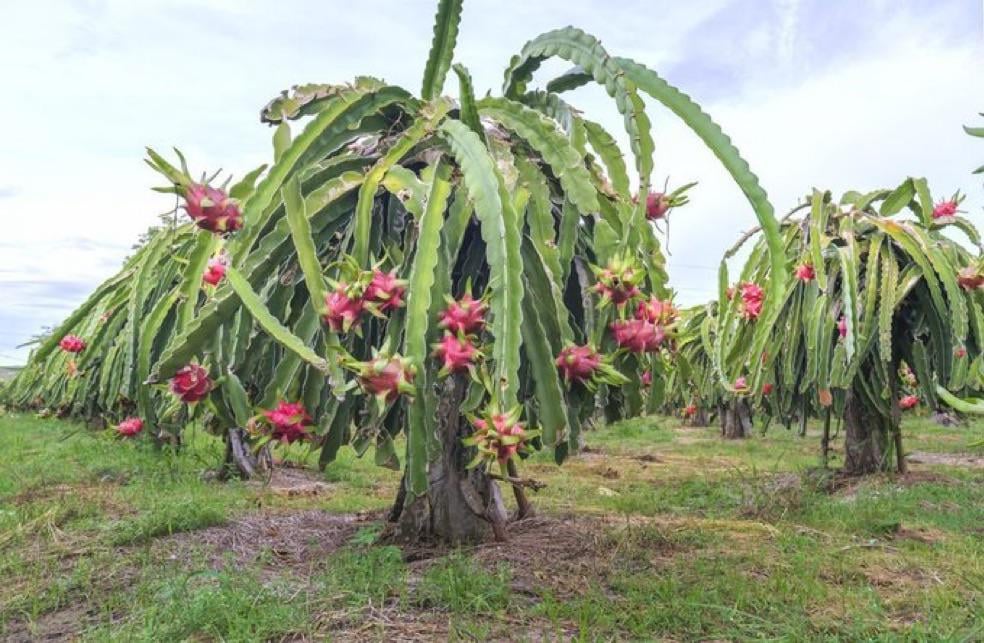
I had heard dragon fruit trees looked crazy but i wasnt expecting this
Title: Dragon Fruit Trees Look Crazy! What to Expect (And Why It’s Amazing)
Meta Description: Discover why dragon fruit trees look so wild! From their alien-like stems to giant blooms, learn about their bizarre appearance and how to grow them yourself.
Introduction: The “Wow” Factor of Dragon Fruit Trees
If you’ve ever stumbled across a dragon fruit plant, you know it looks like something straight out of a sci-fi movie. Long, twisting cactus arms, neon-pink fruits dangling like ornaments, and gigantic night-blooming flowers—it’s no wonder people say, “Dragon fruit trees look crazy!” But what makes them so bizarrely beautiful? And how can you grow one at home?
Let’s dive into the surreal world of dragon fruit (or pitaya) plants and explore why their appearance is as fascinating as their flavor!
What Does a Dragon Fruit Tree Look Like? Prepare to Be Amazed!
Contrary to its name, dragon fruit doesn’t grow on a typical “tree.” Instead, it’s a climbing epiphytic cactus native to Central America and Southeast Asia. Its appearance breaks every plant stereotype:
-
Cactus Arms, Not Branches
Imagine a tangle of green, three-sided stems (called cladodes) sprouting from a central base. These fleshy, succulent limbs stretch out like tentacles, often reaching 10–20 feet long! They crawl up trellises, walls, or trees for support—no bark or leaves in sight. -
Dramatic Night Blooms
Dragon fruit flowers bloom overnight, revealing huge, fragrant, moon-white petals with golden centers. These blooms—often larger than your hand—last just one night but leave a lasting impression. -
Fruits That Look Like Dragons’ Eggs
Bright pink or yellow fruits, covered in leafy scales or “wings,” grow straight from the cactus arms. Slice one open, and you’ll find speckled white or magenta flesh dotted with edible black seeds.
Why Do Dragon Fruit Trees Look So Alien?
The dragon fruit plant’s weirdness is part of its survival strategy:
- Epiphytic Adaptations: In the wild, it grows on other trees (like orchids), using them for support without stealing nutrients. Those thick stems store water for dry seasons.
- Bats & Moths Pollinate It: Its giant, fragrant flowers attract nocturnal pollinators—hence the “moonlight blossom” nickname.
- Succulent Superpowers: The cactus-like structure prevents water loss in tropical climates.
How to Grow Your Own “Crazy-Looking” Dragon Fruit Tree
Dragon fruit plants aren’t just eye candy—they’re easy to grow in warm climates or pots. Here’s how:
-
Climate Needs:
- Zones 10–11 (USDA): Perfect for outdoor growth.
- Colder Zones: Grow in pots and move indoors in winter.
-
Sun & Soil:
- Full sun to partial shade.
- Well-draining soil (cacti mix works).
-
Support is Essential!
Install a sturdy trellis or post—the cactus arms can get heavy! -
Water Sparingly:
Drought-tolerant once established. Overwatering = root rot. -
Harvest Time:
Fruits ripen 30–50 days after flowering. Twist them off gently when colorful and slightly soft.
Frequently Asked Questions (FAQs)
Q: Do dragon fruit trees have thorns?
A: Some varieties do, but commercial types like ‘Vietnamese White’ are often thornless—ideal for gardens.
Q: How long until it bears fruit?
A: From cuttings: 1–2 years. From seeds: 4–5 years.
Q: Can I grow dragon fruit indoors?
A: Yes! Use a large pot near a sunny window and prune to control size.
Conclusion: Embrace the Madness!
Dragon fruit trees may look wild, but they’re surprisingly low-maintenance and rewarding. Whether you’re growing them for their jaw-dropping looks, delicious fruit, or Instagram-worthy flowers, these plants guarantee a conversation starter.
Ready to try it? Grab a cutting from a nursery or propagate your own—and join the club of gardeners who proudly say, “My dragon fruit tree looks crazy… and I love it!”
SEO Keywords: dragon fruit tree, dragon fruit plant, what does a dragon fruit tree look like, how to grow dragon fruit, pitaya cactus, dragon fruit cactus care, dragon fruit plant pictures, dragon flower, night blooming cactus.
Call to Action:
Share your dragon fruit growing journey with us in the comments! 🌵✨