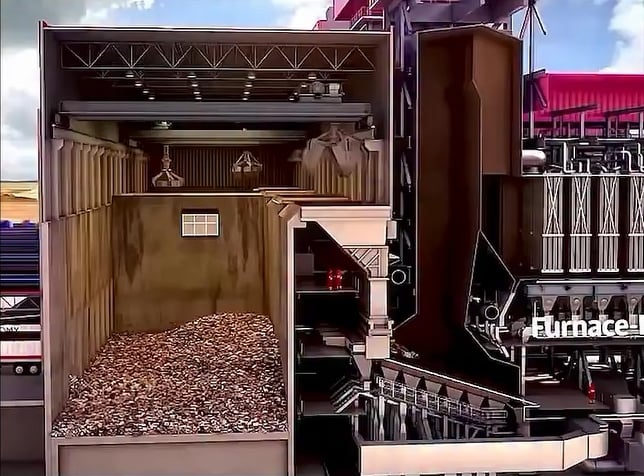
This is how Waste-to-Energy Plants work!
Meta Title: Waste-to-Energy Plants Explained: How They Convert Trash into Power
Meta Description: Discover how waste-to-energy (WtE) plants work, their environmental impact, and the technology behind turning trash into electricity. A deep dive into sustainable waste disposal.
This is How Waste-to-Energy Plants Work: Turning Trash into Renewable Power
Waste-to-energy (WtE) plants are revolutionizing how societies manage waste while generating clean energy. As landfills overflow and climate concerns escalate, these facilities offer a dual solution: reducing trash volume and producing electricity. But how exactly do waste-to-energy plants work? This article breaks down the process, benefits, and innovations behind this sustainable technology.
Why Waste-to-Energy Matters
Every year, humans generate over 2 billion tons of municipal solid waste (MSW). Traditional landfills emit methane—a potent greenhouse gas—and contaminate soil and water. Waste-to-energy plants combat these issues by:
- Diverting waste from landfills
- Reducing greenhouse gas emissions
- Generating renewable electricity or heat
- Recovering metals for recycling
How Waste-to-Energy Plants Work: A Step-by-Step Guide
1. Waste Collection and Sorting
Municipal waste (household and commercial trash) arrives at the facility via trucks. Non-combustible materials like metals, glass, and electronics are removed first. Advanced plants use AI-powered sorting systems to maximize recycling before incineration.
2. Combustion Chamber
The remaining waste is fed into a mass-burn furnace and incinerated at temperatures exceeding 1,800°F (1,000°C). This extreme heat breaks down organic compounds and sterilizes hazardous substances.
3. Energy Generation
- Heat Recovery: The combustion heats water in a boiler, creating high-pressure steam.
- Electricity Production: The steam drives turbines connected to generators, producing electricity fed into the grid.
- District Heating: Some plants supply steam to nearby industries or homes for heating.
4. Pollution Control
Modern WtE plants use scrubbers, filters, and catalytic converters to capture pollutants:
- Baghouse Filters: Trap particulate matter.
- Lime Injectors: Neutralize acidic gases like sulfur dioxide.
- Selective Catalytic Reduction (SCR): Reduces nitrogen oxides (NOx).
Emissions are cleaner than those from coal plants and meet strict EU and EPA standards.
5. Ash Management
- Bottom Ash (25% of original waste volume) is screened for metals, which are recycled. The remaining ash is used in construction (e.g., road bases).
- Fly Ash (toxic particles from flue gas) is stored in hazardous waste landfills after treatment.
Key Technologies in Modern WtE Plants
- Mass Burn Incineration: The most common method, burning unsorted waste directly.
- Gasification: Heats waste in low-oxygen environments to produce syngas (a mix of hydrogen and carbon monoxide), which fuels generators.
- Anaerobic Digestion: Breaks down organic waste (e.g., food scraps) into biogas for energy.
Environmental Impact: Pros and Cons
✅ Benefits
- Landfill Diversion: One ton of waste processed saves 0.5–1 ton of CO2 emissions.
- 24/7 Renewable Energy: Unlike solar/wind, WtE provides baseload power.
- Metal Recovery: Modern plants recycle up to 90% of ferrous metals from ash.
❌ Challenges
- Emissions Concerns: Critics argue even filtered emissions release dioxins and heavy metals (though modern systems reduce this to trace levels).
- High Costs: Building WtE plants requires significant investment.
- Resource Competition: May discourage recycling if communities prioritize incineration.
Global Success Stories
- Sweden: Imports waste from other EU nations to fuel its WtE network, powering 1.25 million homes.
- Singapore: The Tuas Nexus plant integrates WtE with water recycling for maximum efficiency.
- USA: Over 75 facilities process 14% of the nation’s MSW, led by states like Florida and New York.
The Future of Waste-to-Energy
Innovations aim to boost sustainability:
- Carbon Capture: Storing CO2 emissions underground (BECCS technology).
- Hydrogen Production: Using syngas from gasification to generate green hydrogen.
- Circular Economy Models: Pairing WtE with recycling and composting for zero-waste cities.
FAQs About Waste-to-Energy
Q: Is waste-to-energy considered renewable?
A: Yes! The EU classifies energy from non-recyclable waste as renewable since waste streams are continually replenished.
Q: How efficient are WtE plants?
A: Modern facilities achieve 20–27% electrical efficiency, rising to 80% if heat is utilized via cogeneration.
Q: Do WtE plants replace recycling?
A: No—they complement it. Only non-recyclable waste is incinerated, following the “reduce, reuse, recycle” hierarchy.
Conclusion
Waste-to-energy plants turn the global trash crisis into an opportunity for clean power. While not a standalone solution, they play a critical role in sustainable waste management—especially for non-recyclable materials. As technology advances, WtE could become a pillar of the zero-carbon economy, proving that one person’s trash truly is another’s treasure.
Interested in sustainability? Explore how cities like Copenhagen and Tokyo use WtE to achieve carbon-neutral goals!