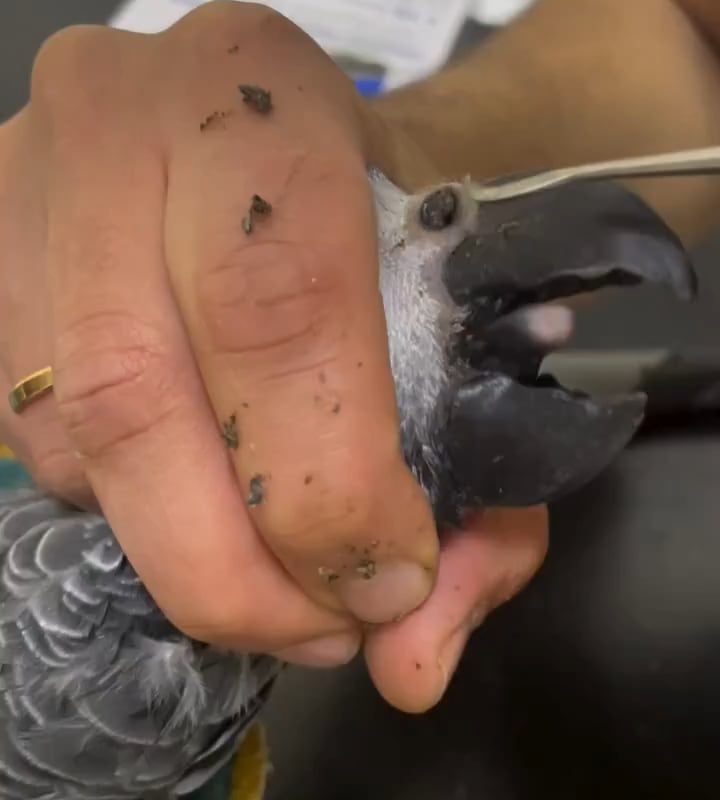
A rhinolith is a hardened mass, or "nose stone," that can form inside the nasal cavity of parrots from mineral deposits on a foreign object, dead tissue, or secretions. They can cause difficulty breathing and discomfort. African grey parrots are particularly prone to this condition.
Title: Understanding Rhinolith Removal in Parrots: Signs, Treatment, and Recovery
Introduction
Parrots are vibrant, intelligent companions, but like any pet, they can experience health challenges requiring specialized care. One rarely discussed but potentially serious issue is a rhinolith—a hard, stone-like mass that forms in the nasal cavity. If left untreated, rhinoliths can cause discomfort, infections, or difficulty breathing. In this article, we explore the causes, symptoms, and surgical removal of rhinoliths in parrots, empowering owners to recognize warning signs and seek timely veterinary intervention.
What Is a Rhinolith?
A rhinolith is a calcified accumulation of debris (like food particles, dust, or dried secretions) that lodges in the nostrils (nares) or sinuses of birds. Over time, minerals in the mucus harden around this debris, creating an obstructive mass. In parrots, rhinoliths often form due to:
- Poor cage hygiene (dusty environments).
- Vitamin A deficiency, which leads to dry, thickened nasal passages.
- Chronic respiratory infections or inflammation.
- Foreign material (e.g., seed husks) trapped in the nares.
Signs Your Parrot May Have a Rhinolith
Early detection is key! Watch for these symptoms:
- Nasal Discharge: Thick, crusty, or bloody discharge from one or both nostrils.
- Labored Breathing: Wheezing, open-mouthed breathing, or tail-bobbing.
- Frequent Sneezing: Attempts to dislodge the blockage.
- Swelling or Deformity: Visible lump near the cere (the area above the beak).
- Behavioral Changes: Lethargy, loss of appetite, or rubbing the beak against surfaces.
Diagnosis and Veterinary Care
If you suspect a rhinolith, consult an avian vet immediately. Diagnosis typically involves:
- Physical Exam: Gently inspecting the nares with an otoscope or endoscope.
- Imaging: X-rays or CT scans to assess the mass’s size and location.
- Blood Tests: To rule out infections or nutritional deficiencies.
Rhinoliths should never be removed at home—DIY attempts risk injury, bleeding, or pushing the mass deeper.
The Rhinolith Removal Procedure
Surgical removal is usually performed under general anesthesia. Here’s what to expect:
- Anesthesia: The parrot is sedated to ensure comfort and minimize stress.
- Extraction: Using specialized tools (like fine forceps), the vet carefully breaks down and extracts the rhinolith.
- Flushing: The nasal cavity is flushed with saline to clear residual debris.
- Antibiotics/Anti-inflammatories: Prescribed to prevent infection and reduce swelling.
In severe cases, rhinoliths may require advanced techniques like endoscopic surgery or laser ablation.
Post-Surgery Recovery and Care
Recovery time varies but often includes:
- Hospitalization: 24–48 hours for monitoring.
- Medication: Pain relief, antibiotics, or vitamin A supplements.
- Home Care:
- Keep the parrot in a clean, humidified environment.
- Avoid dusty bedding or aerosols.
- Monitor for recurrence or complications (e.g., bleeding).
Most parrots recover fully within 1–2 weeks and regain normal breathing and activity levels.
Preventing Rhinoliths in Parrots
Reduce risks with these proactive steps:
- Boost Vitamin A: Offer dark leafy greens, sweet potatoes, or vet-approved supplements.
- Maintain Humidity: Use a humidifier in dry climates.
- Regular Cleaning: Minimize dust in cages and replace bedding frequently.
- Routine Checkups: Annual avian vet visits catch issues early.
FAQ About Parrot Rhinoliths
Q: Can rhinoliths be fatal?
A: If untreated, they may lead to severe infections or respiratory distress. Prompt treatment is critical.
Q: Are certain parrot species more prone to rhinoliths?
A: Smaller species (e.g., budgies, cockatiels) with narrow nares are at higher risk.
Q: How much does rhinolith removal cost?
A: Costs range from $300–$1,000+ depending on complexity and location. Pet insurance may help offset fees.
Final Thoughts
Rhinoliths are a manageable condition when addressed swiftly by an avian specialist. By staying alert to your parrot’s health and partnering with a trusted vet, you can ensure your feathered friend breathes easy and thrives for years to come.
Call to Action:
If your parrot shows signs of nasal blockage, schedule an appointment with an avian veterinarian today. Share this article to help fellow parrot owners stay informed!
Target Keywords: Parrot rhinolith removal, bird nasal blockage, avian vet surgery, rhinolith in parrots, parrot respiratory health.
Meta Description: Learn about rhinoliths in parrots—causes, symptoms, surgical removal, and recovery. Ensure your bird’s nasal health with expert avian care tips.