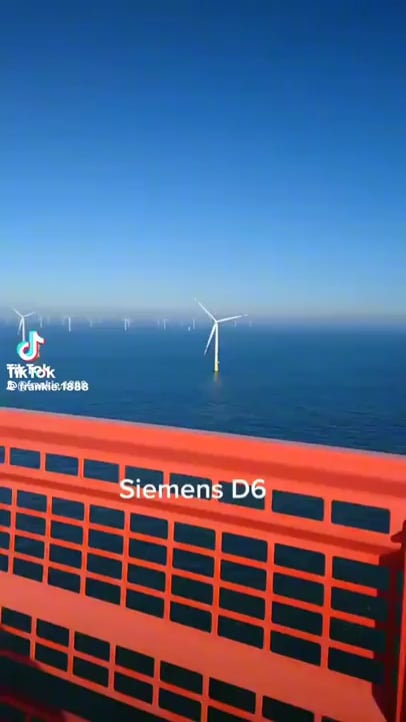
What the inside of a wind turbine in the ocean looks like
Inside an Offshore Wind Turbine: Exploring the Giant’s Hidden World
Offshore wind turbines are towering marvels of engineering, harnessing the power of ocean winds to generate clean energy. While their sleek exteriors dominate seascapes, few people get to see what lies inside these modern giants. Join us on a virtual tour to uncover the technology, scale, and innovation hidden within an offshore wind turbine.
Why Offshore Turbines Are Unique
Offshore wind turbines are bigger, stronger, and more complex than their land-based cousins. Built to withstand harsh marine environments—like saltwater corrosion, extreme waves, and hurricane-force winds—they stretch up to 260 meters (850 feet) tall, with rotor diameters wider than a passenger jet’s wingspan. Each turbine is a self-contained power plant, and its interior is divided into three key sections:
- The Tower
- The Nacelle (Turbine “Brain”)
- The Rotor and Blades
Let’s dive into each one.
1. The Tower: The Turbine’s Vertical Highway
The tower is the hollow steel or concrete column connecting the turbine’s base to its machinery. Offshore towers are often tapered tubular structures, anchored to the seabed via monopiles, jackets, or floating platforms.
Inside the Tower:
- Access Ladder or Elevator: Engineers climb hundreds of feet via an internal ladder (or use a small elevator in modern turbines) to reach the nacelle. Safety ropes and rest platforms are installed for maintenance crews.
- Electrical Systems: Power cables run vertically down the tower, carrying electricity from the generator to the seabed’s underwater cables.
- Transformer (at the Base): Some turbines house a transformer in the tower’s foundation to boost voltage before sending energy to shore.
- Corrosion Protection: Air dehumidifiers and protective coatings prevent rust from the salty ocean air.
Fun Fact: Climbing a 300-foot turbine ladder can take 30+ minutes—and requires serious stamina!
2. The Nacelle: The High-Tech Powerhouse
Perched atop the tower, the nacelle is the turbine’s control center. It’s about the size of a school bus and packed with cutting-edge machinery:
Key Components Inside the Nacelle:
- Gearbox (in some models): Converts the slow rotation of the blades (10–20 RPM) into high-speed motion (1,500+ RPM) to drive the generator. Newer “direct-drive” turbines skip this part for better efficiency.
- Generator: Transforms mechanical energy into electrical energy—essentially the turbine’s powerhouse.
- Yaw System: Motors and gears rotate the nacelle to keep the blades perfectly aligned with the wind direction.
- Cooling Systems: Radiators and fans prevent overheating in the confined space.
- Control Electronics: Sensors, computers, and hydraulics monitor performance, adjust blade pitch, and shut down the turbine during storms.
- Helicopter Landing Pad: Some offshore nacelles include a small platform for emergency evacuations or crew transfers.
Inside Look: Imagine a compact, high-tech factory floor—wires, pipes, and humming machinery—all controlled remotely via predictive AI software.
3. The Rotor and Blades: Giants in Motion
The rotor consists of three massive blades attached to a central hub. While the blades themselves are hollow (made of lightweight fiberglass or carbon fiber), their connection point to the nacelle is critical:
- Hub: The rotor’s core houses the pitch system, which rotates each blade to optimize angle and power output. Hydraulic or electric motors adjust pitch up to 90 times per minute!
- Blade Roots: Thick, circular bases bolt the blades to the hub. Inspectors rappel down blades to check for cracks or lightning damage.
- Lightning Protection: Copper wires run through each blade to divert strikes safely into the sea.
How Do Engineers Access Offshore Turbines?
Maintenance crews reach turbines by boat or helicopter, climbing the tower via internal ladders. Offshore wind farms often have permanent service vessels or even floating hotels (service operation vessels) where crews live for weeks.
Why the Interior Design Matters
Every inch of space inside an offshore turbine is optimized for:
- Durability: Fighting salt spray and gusts requires stainless steel, advanced coatings, and sealed compartments.
- Efficiency: Fewer moving parts (like direct-drive generators) reduce failure risks in hard-to-access locations.
- Safety: Fire suppression systems, emergency oxygen kits, and anti-fall gear protect engineers.
Conclusion: Engineering Triumphs Beneath the Surface
Peering inside an offshore wind turbine reveals a world of innovation—where mechanics, electronics, and nature collaborate to power our future. As turbines grow taller and smarter, their interiors will keep evolving, driving the renewable energy revolution from the ocean floor to the skies.
Ready to Explore More?
Learn how wind energy works ▶
Compare onshore vs. offshore wind farms ▶
Discover the world’s largest wind turbine ▶
Optimized Keywords: offshore wind turbine inside, nacelle wind turbine, wind turbine components, offshore wind energy, wind turbine tower, direct-drive generator, rotor hub.
Boost your SEO with internal links to related wind energy articles and authoritative sources like the Global Wind Energy Council (GWEC) or Siemens Gamesa.