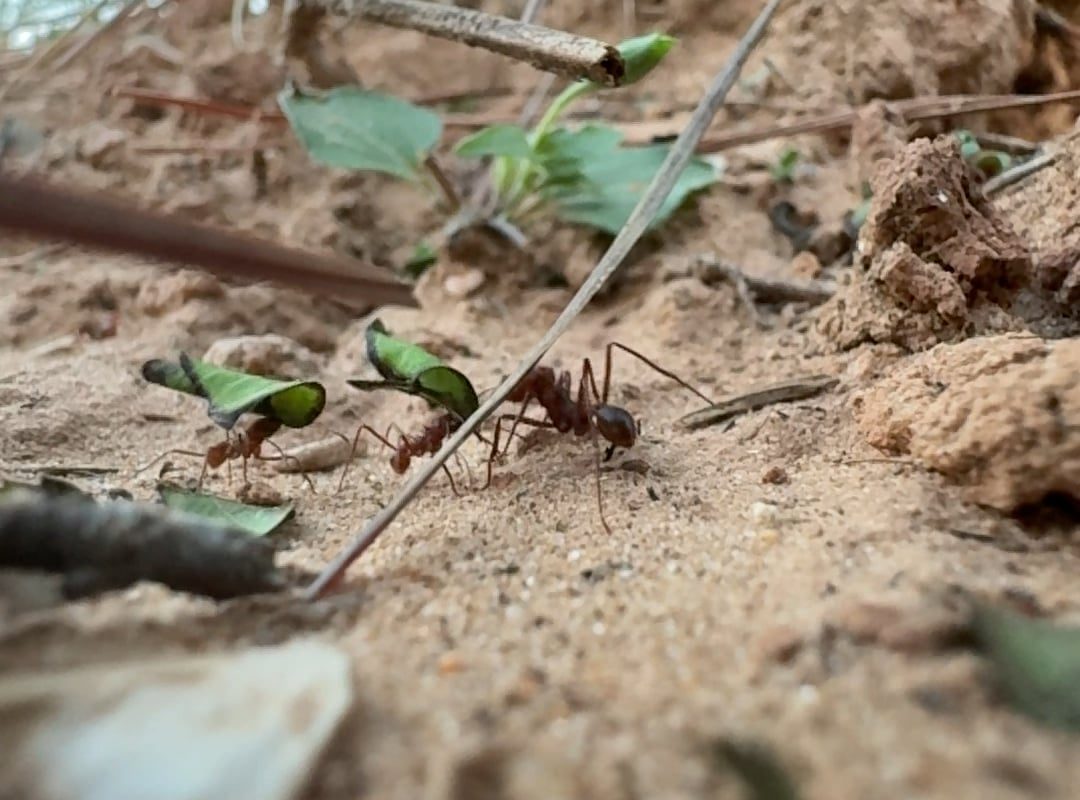
Leaf Cutter ants moving product
Title: Nature’s Tiny Logistics Experts: How Leafcutter Ants Master the Art of Moving Product
Meta Description: Discover the incredible efficiency of leafcutter ants as they transport resources with military precision. Learn how their natural “supply chain” works and what humans can learn from it!
Introduction
In the bustling world of insects, few creatures rival the leafcutter ant when it comes to moving product. These tiny but mighty engineers have perfected logistics over millions of years, building intricate supply chains to fuel their colonies. From harvesting plant material to distributing resources with flawless teamwork, leafcutter ants offer a masterclass in efficiency—one that even human industries could learn from. Let’s explore how these agricultural experts move product with unmatched precision.
1. The Leafcutter Ant: Farmer, Forager, and Freight Hauler
Leafcutter ants (Atta and Acromyrmex species) are not your average backyard ants. Native to the Americas, these insects are farmers who cultivate fungus gardens as their primary food source. However, their secret to success lies in their ability to move product at scale:
- Harvesting: Worker ants use scissor-like jaws to cut leaves, flowers, and grass into manageable pieces.
- Transport: They carry these fragments—often weighing 20–50 times their body weight—back to their underground nests via meticulously maintained trails.
- Processing: The leaves are not eaten directly but used as fertilizer to grow fungus, the colony’s true food source.
This multi-step process mirrors a well-oiled manufacturing line, where raw materials are gathered, shipped, and converted into value-added products.
2. The Logistics Network: Superhighways and Supply Chains
Leafcutter colonies function like mini-cities, with population sizes reaching several million. To sustain such vast operations, their transportation system is optimized for speed and efficiency:
- Designated Trails: Ants create cleared “highways” between nests and food sources, guarded by soldiers and maintained by workers.
- Traffic Management: Larger workers carry leaf fragments, while smaller ants often hitch rides to defend against parasitic flies.
- Vertical Integration: Once leaves arrive at the nest, another team takes over to chew them into pulp, inoculate them with fungus, and manage waste removal.
This division of labor ensures no resource goes to waste—a lesson in sustainability for human supply chains.
3. Teamwork & Communication: The Key to Seamless Product Movement
How do leafcutter ants coordinate such complex workflows? Through a mix of chemical signals and instinctive behavior:
- Pheromone Trails: Scouts leave scent markers to guide others to the best foraging sites, ensuring the colony focuses on high-yield areas.
- Task Partitioning: Different-sized workers specialize in cutting, carrying, or defending, maximizing efficiency.
- Real-Time Adjustments: If a trail is blocked or a leaf source dries up, ants quickly adapt by rerouting or scaling operations.
This communication network ensures that the entire colony acts as a unified, responsive organism.
4. Optimization Lessons for Human Industry
While humans rely on AI and GPS, leafcutter ants thrive using biological algorithms refined over millennia. Here’s what we can learn from their supply chain mastery:
- Eco-Friendly Efficiency: Ants use zero fossil fuels, emitting no carbon while moving mountains of biomass.
- Decentralized Decision-Making: Individual ants react swiftly to changes without top-down commands, boosting resilience.
- Waste Reduction: Every piece of leaf is repurposed; even discarded fungus and ant waste fertilize their nests.
From warehouse robotics to sustainable farming, biomimicry of leafcutter systems could revolutionize logistics.
5. The Impact of Leafcutter Ants on Ecosystems
Beyond their logistical brilliance, these ants play a critical ecological role:
- They prune vegetation, promoting plant diversity.
- Their excavated nests aerate soil and cycle nutrients.
- They serve as prey for birds, reptiles, and other insects.
In essence, leafcutter ants are both farmers and freight carriers of the forest—moving product while sustaining their environment.
Conclusion: Small Ants, Big Lessons
Leafcutter ants prove that size is no barrier to grand achievements. Their ability to move product with precision, teamwork, and sustainability offers inspiration for industries aiming to streamline operations and reduce waste. By studying these tiny titans of logistics, we uncover timeless strategies for scaling efficiency—one leaf fragment at a time.
FAQ Section
Q: Do leafcutter ants eat the leaves they carry?
A: No! They use the leaves to farm fungus, which becomes their primary food source.
Q: How far do leafcutter ants travel to gather leaves?
A: Trails can stretch over 100–200 feet from the nest—equivalent to a human walking 6 miles carrying a sofa!
Q: Are leafcutter ants harmful to crops?
A: While they defoliate plants, they rarely threaten mature crops. Their ecological benefits often outweigh localized damage.
Q: How do leafcutter ants avoid traffic jams?
A: Multiple lanes and size-based分工 (larger ants carry leaves, smaller ones handle defense) keep traffic flowing smoothly.
Target Keywords: Leafcutter ants moving product, leafcutter ants logistics, ant supply chain, leafcutter ant behavior, nature’s workers efficiency
Optimize your keyword placement in headers, meta descriptions, and naturally throughout the text to boost SEO ranking! 🌿🐜