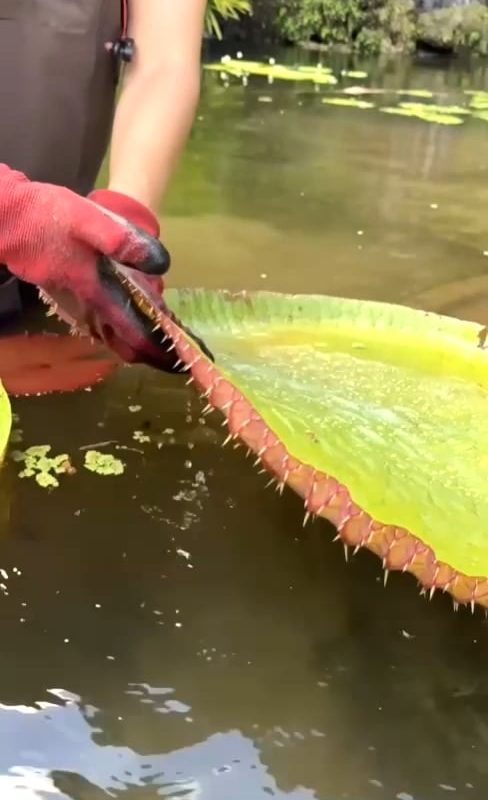
The underside of a Lilypad.
The Hidden World Below: Exploring the Underside of a Lilypad
When you picture a lilypad floating serenely on a pond, your mind likely conjures images of its iconic round, green surface dotted with dew or a vibrant water lily blossom. But beneath this familiar facade lies an unsung marvel of nature—the underside of a lilypad. This overlooked underside is not just functional; it’s a masterpiece of evolutionary engineering, teeming with adaptations that allow the lilypad to thrive in aquatic environments.
Anatomy of a Lilypad
Before diving deeper, let’s clarify what a lilypad actually is. Lilypads are the floating leaves of water lilies (Nymphaeaceae family), which root in muddy pond or lake bottoms. Each pad connects to a long stem anchored to the plant’s rhizome (root system). While the top surface is smooth and waxy, optimized for repelling water and maximizing sunlight absorption, the underside tells an entirely different story.
A Closer Look at the Underside
The underside of a lilypad is a hub of biological innovation, designed for survival, flotation, and ecological interaction. Here’s what makes it extraordinary:
1. Hydrophobic Coating and Gas Chambers
The undersides of lilypads are coated in a microscopic hydrophobic (water-repellent) layer, preventing waterlogging and decay. More fascinating, though, are the aerenchyma tissues—spongy, air-filled chambers that run like a lattice across the underside. These chambers act as natural pontoons, trapping oxygen and other gases produced by the plant to keep the pad buoyant. Without this innovation, the heavy leaves would sink.
2. Structural Veins: Nature’s Reinforcement
Thick, branching veins crisscross the underside, forming a rigid yet flexible skeleton. These veins serve two critical purposes:
- Support: They distribute weight evenly, preventing tearing from wind or wildlife.
- Transport: They ferry nutrients from the roots and stem to the leaf surface while shuttling sugars back for storage.
3. Stomata: Breathing Pores with a Twist
Unlike most plants, water lilies have stomata (pores for gas exchange) on the top of their leaves. But the underside still plays a role in respiration. Tiny pores here release excess gases and help regulate internal pressure, ensuring the pad remains afloat even as temperatures fluctuate.
4. Microhabitat for Aquatic Life
The sheltered underside of a lilypad doubles as a thriving ecosystem refuge. Invertebrates like snails, aquatic insects, and tadpoles cling to it for protection from predators. Algae and biofilms may also colonize the surface, creating a miniature food web. Some fish species even lay eggs on the underside, leveraging its safety and proximity to oxygen-rich water.
Adaptations for Survival
The lilypad’s underside reflects millions of years of adaptation:
- Predator Defense: Its tough, fibrous texture deters herbivores like fish or turtles from nibbling it.
- Self-Cleaning: Water rolls off the hydrophobic surface, carrying dirt and debris away.
- Thermoregulation: By trapping air, the underside buffers the pad against extreme temperature swings, shielding the plant’s delicate tissues.
The Underside’s Role in the Ecosystem
Lilypads aren’t just floating decorations; they’re keystones of healthy aquatic ecosystems. Their undersides contribute to:
- Water Quality: Biofilms on the underside help filter excess nutrients like nitrogen.
- Oxygen Exchange: Gas release supports respiration for underwater organisms.
- Biodiversity: By offering shelter and breeding grounds, lilypads sustain frogs, insects, and microfauna.
Fun Facts About Lilypad Undersides
- Some species feature purple or red undersides, which may protect against UV damage.
- Fossil records show lilypad-like plants existed over 125 million years ago.
- Artist Claude Monet famously painted water lilies—undersides and all—capturing their textured beauty.
Why Study the Underside?
Understanding the lilypad’s hidden architecture isn’t just academic. It inspires biomimicry innovations, such as:
- Floating solar panels modeled after buoyant aerenchyma.
- Water-repellent materials for ships or buildings.
- Eco-engineered systems for wastewater treatment using aquatic plants.
Conclusion
The underside of a lilypad is a testament to nature’s ingenuity—combining physics, biology, and ecology into a single leaf. Next time you spot one drifting on a pond, remember: there’s far more to this humble plant than meets the eye. Its underside is a world of resilience, cooperation, and quiet beauty, proving that sometimes the most extraordinary stories lie just beneath the surface.
Keywords: lilypad underside, water lily anatomy, aquatic plant adaptations, pond ecosystem, hydrophobic leaves, aerenchyma tissue, water lily stomata, floating leaves, biomimicry inspiration.
Meta Description: Discover the hidden wonders beneath a lilypad! Explore its hydrophobic layers, buoyant air chambers, and vital role in aquatic ecosystems in this deep-dive into water lily anatomy.