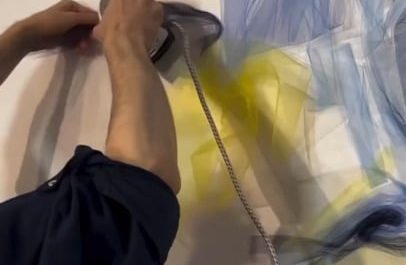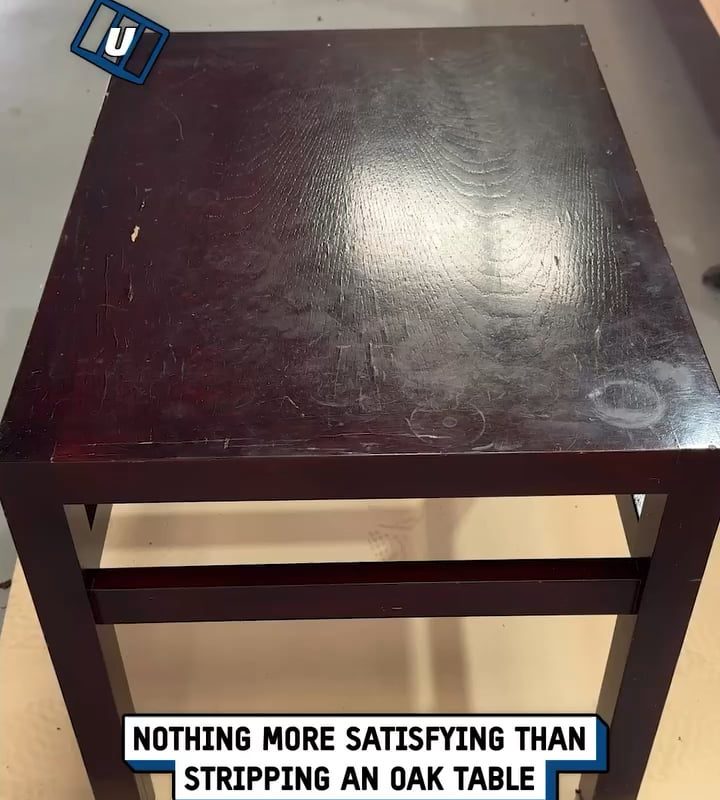
Paint stripping an old wooden table
How to Strip Paint from an Old Wooden Table: A Step-by-Step Restoration Guide
Restoring an old wooden table by stripping away layers of paint can breathe new life into a cherished piece of furniture. Whether you’re aiming for a natural wood finish or planning to repaint, proper paint removal is essential for a smooth, professional result. This guide covers everything you need to know to strip paint safely, efficiently, and effectively—even if you’re a beginner!
Why Strip Paint from Wood Furniture?
Before diving into the process, consider the benefits of paint stripping:
- Reveal hidden beauty: Uncover unique wood grain, carvings, or original stains.
- Improve adhesion: Removing old, flaking paint ensures new finishes stick better.
- Eco-friendly choice: Restoring avoids landfill waste—a win for sustainability.
Tools & Materials You’ll Need
Gather these supplies before starting:
- Paint stripper: Choose chemical gel (e.g., Citri-Strip for eco-friendliness) or soy-based formulas.
- Safety gear: Gloves, goggles, and an N95 mask (chemical strippers release fumes).
- Scrapers: Plastic or metal scrapers (plastic for delicate wood).
- Steel wool or abrasive pads: For stubborn residue (#0000-grade for fine finishes).
- Drop cloths: Protect floors from drips.
- Ventilation: Work outdoors or in a well-ventilated area.
- Sandpaper: 120-220 grit for post-stripping smoothing.
- Cleaners: Mineral spirits or denatured alcohol for final wipedown.
Optional: Heat gun (for heat-based stripping), putty knife, or a nylon brush.
Step-by-Step Paint Stripping Process
1. Prep Your Workspace
- Work outside or in a garage. Lay down drop cloths.
- Remove hardware (drawer pulls, hinges) if possible.
2. Apply Paint Stripper
- Chemical Stripper:
- Stir the stripper and apply a thick layer with a brush. Follow the product’s instructions—most require 15-60 minutes to activate.
- Cover with plastic wrap to slow drying (optional).
- Heat Gun:
- Use a heat gun on low/medium settings, directing heat at small sections. Scrape away softened paint immediately to avoid scorching wood.
3. Scrape Off the Paint
- Once the paint bubbles or wrinkles, gently scrape it off with a plastic scraper (metal can gouge wood).
- For detailed carvings, use steel wool or a toothbrush.
4. Repeat as Needed
- Thick or multiple layers may require 2–3 applications. Avoid over-scraping to prevent wood damage.
5. Neutralize & Clean
- Wipe the wood with mineral spirits or the stripper’s recommended neutralizer.
- Sand lightly (120 grit) to remove residual stains or rough spots.
6. Final Sanding
- Finish with a fine-grit sandpaper (180–220) to prepare the surface for staining or painting.
7. Clean & Seal
- Wipe the table with a damp cloth and let dry.
- Apply a wood conditioner (for staining) or primer (for repainting) to seal the surface.
Tips for Success
- Test First: Try strippers on a hidden spot (e.g., table underside) to check for discoloration.
- Patience Pays: Rushing leads to mistakes. Let chemicals do the work!
- Save the Grain: Always sand with the wood grain, not against it.
- Eco Option: For lead-free paint, try a soy-based stripper or baking soda paste (mix with water).
FAQs
Q: How do I handle lead paint?
A: If your table is pre-1970s, test for lead. If positive, hire a pro or use a lead-safe stripper—never sand it dry.
Q: Can I sand instead of stripping?
A: Yes, but only for thin paint layers. Thick paint clogs sandpaper fast.
Q: Why does the wood look blotchy after stripping?
A: Old stains or uneven absorption causes this. Lightly sand and apply a wood conditioner before finishing.
Q: How long does the process take?
A: Allow 4–8 hours for stripping and drying, plus extra time for sanding and refinishing.
Conclusion
Paint stripping transforms tired wooden tables into stunning focal points. With the right tools, safety precautions, and patience, you’ll unlock timeless beauty beneath those old layers. Once stripped, your table can shine with a clear varnish, a fresh coat of paint, or a modern stain. Share your restoration journey in the comments—or tag us in your before-and-after photos!
Meta Description: Learn how to strip paint from an old wooden table with our step-by-step DIY guide. Discover tools, safety tips, and pro techniques for flawless furniture restoration.
Target Keywords: paint stripping wooden table, DIY furniture restoration, how to remove paint from wood, chemical paint stripper, restore old table.
Image Alt Text Suggestions:
- “Applying paint stripper to wooden table surface”
- “Scraping paint off antique table with plastic tool”
- “Finished stripped wooden table with natural grain visible”
Boost your project’s success by pairing this guide with our articles on [Choosing the Best Wood Stain] or [Eco-Friendly Furniture Restoration Tips]!