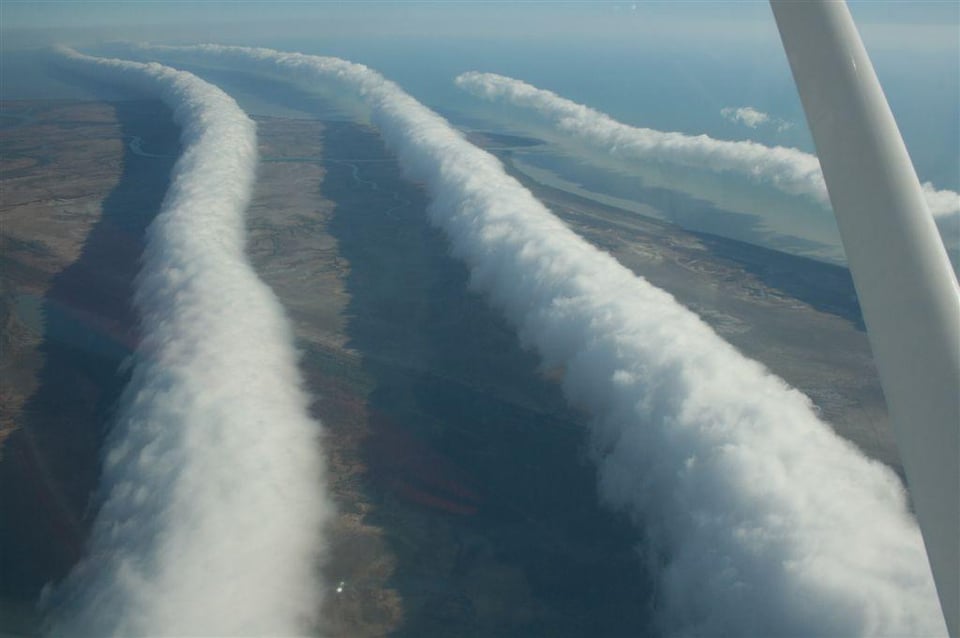
Morning Glory Clouds
Title: Morning Glory Clouds: Nature’s Spectacular Roll Cloud Phenomenon Explained
Meta Description: Discover the fascinating science behind Morning Glory Clouds—the rare, roll-shaped meteorological marvel. Learn where and when to witness this breathtaking phenomenon.
What Are Morning Glory Clouds?
Morning Glory Clouds are one of Earth’s most striking and elusive weather phenomena. These long, tube-shaped roll clouds can stretch up to 1,000 kilometers (620 miles) across the sky, often resembling a giant serpent or tidal wave. Unlike typical cumulus or stratus clouds, they form as solitary horizontal cylinders, spinning slowly as they glide at speeds of up to 60 km/h (37 mph).
This rare spectacle is most famously observed in Australia’s Gulf of Carpentaria between September and November, drawing meteorologists, pilots, and adventure-seekers eager to witness their eerie beauty.
How Do Morning Glory Clouds Form?
The formation of Morning Glory Clouds involves a perfect collision of geography, humidity, and wind:
- Unique Geography: The Gulf of Carpentaria’s shallow waters heat rapidly, creating rising warm air that clashes with cooler oceanic air.
- Sea Breeze Fronts: Coastal sea breezes converge inland, forcing moist air upward and condensing into clouds.
- Atmospheric Waves: A “solitary wave” phenomenon in the atmosphere rolls the cloud into its signature tube shape.
- Wind Shear: Differences in wind speed and direction at varying altitudes sculpt the cloud into a smooth, elongated spiral.
This process is so precise that identical conditions rarely align elsewhere—making the Gulf region a global hotspot.
Where & When to See Morning Glory Clouds
Best Locations
- Burketown, Queensland: Dubbed the “Morning Glory Capital,” this remote town hosts fewer than 200 residents but becomes a hub for cloud chasers during peak season.
- Gulf of Carpentaria: Coastal towns like Karumba provide panoramic views of the clouds rolling in from the ocean at dawn.
Ideal Timing
- Season: Late September to early November.
- Time: Just before sunrise, when cooler night air stabilizes the atmosphere.
Pro Tip: Local pilots offer scenic flights for unparalleled views above the clouds—an unforgettable bucket-list experience!
The Science Behind the Spectacle
Morning Glory Clouds are classified as arcus clouds, a subtype of roll clouds. However, their sheer scale and predictability make them unique. Scientists study them to understand:
- Atmospheric Solitons: Self-reinforcing waves that propagate without dispersing.
- Wind Patterns: How land-sea temperature gradients drive extreme weather events.
Surprisingly, similar smaller roll clouds occasionally form in Germany, Central U.S., and the English Channel—but never rival Australia’s grandeur.
Cultural and Ecological Impact
- Indigenous Lore: Aboriginal Australians revered the clouds as spiritual harbingers of seasonal change and abundant fisheries.
- Tourism Boost: Burketown’s annual “Morning Glory Festival” celebrates the phenomenon with无人机 races, science talks, and outback culture.
- Aviation Quirks: Glider pilots hitch rides on the clouds’ updrafts, surfing them for hundreds of kilometers.
FAQs About Morning Glory Clouds
Q: Are Morning Glory Clouds dangerous?
A: While visually dramatic, they pose no direct threat—just avoid flying through them as turbulence may occur.
Q: Can climate change affect them?
A: Researchers monitor shifts in sea temperatures and wind patterns that could alter their frequency or intensity.
Q: Are photos real or edited?
A: Authentic! Their scale and symmetry often look surreal, but images reflect reality.
Conclusion: Chase the Glory
Morning Glory Clouds remind us of nature’s capacity for artistry and mystery. Whether you’re a scientist, photographer, or curious traveler, witnessing this phenomenon is a once-in-a-lifetime encounter with Earth’s dynamic atmosphere.
Ready to plan your trip? Bookmark this guide, track Burketown weather updates, and join the ranks of those who’ve seen the sky’s most mesmerizing dance!
Target Keywords: Morning Glory Clouds, Roll clouds Australia, Burketown cloud phenomenon, Gulf of Carpentaria weather, Rare cloud formations.
Optimized Image Alt Tags:
- “Morning Glory Cloud over Gulf of Carpentaria at sunrise”
- “Aerial view of roll cloud formation in Burketown, Queensland”
- “Diagram of Morning Glory Cloud atmospheric conditions”
Internal Linking Opportunities:
- “Explore Australia’s Top Natural Wonders [Link]”
- “Guide to Storm Chasing and Weather Tourism [Link]”
By combining science, travel insights, and vivid storytelling, this article aims to rank for meteorological curiosities while inspiring readers to experience nature’s grandeur firsthand.