Shadow casting by a Mountain
Shadows Cast by Mountains: Nature’s Light Show & Environmental Impact
Meta Description: Discover the science, beauty, and ecological role of mountain shadows. Learn how peaks shape light, create stunning phenomena, and influence ecosystems.
Introduction
Mountains are Earth’s towering skyscrapers, shaping landscapes and casting dramatic shadows that stretch for miles. These jagged giants interact with sunlight to create breathtaking visual spectacles, microclimates, and even shape local ecosystems. From the ethereal “alpenglow” at sunrise to the near-mythical “Brocken Spectre,” shadows cast by mountains are far more than mere absences of light—they’re natural phenomena with scientific intrigue and real-world consequences.
In this article, we’ll explore:
- The science behind mountain shadow formation
- Unique shadow phenomena (and where to witness them)
- How shadows affect temperature, ecology, and human activity
The Science of Mountain Shadows
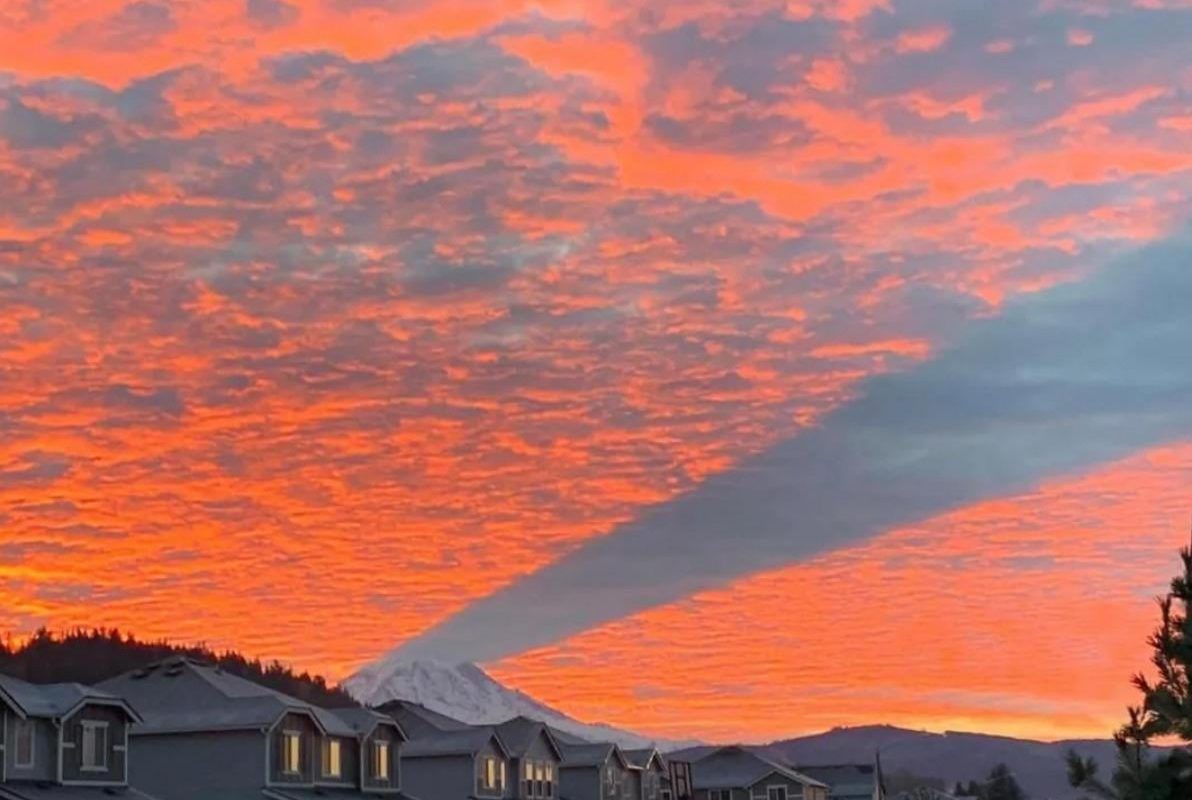
When sunlight hits a mountain, the peak acts like a colossal sundial, blocking light and projecting a shadow onto the terrain behind it. The shape, length, and sharpness of this shadow depend on three factors:
- Sun Angle: At sunrise/sunset (low solar angle), shadows lengthen dramatically, sometimes stretching tens of miles. At midday (high solar angle), shadows shorten but grow darker.
- Mountain Height & Shape: Taller peaks cast longer shadows. Sharp ridges create defined edges, while rounded slopes soften shadows.
- Atmospheric Conditions: Dust, humidity, or fog can scatter light, blurring shadow edges or adding color.
Fun Fact: Mountain shadows exhibit “foreshortening”—their apparent length is compressed when viewed from a distance, creating an optical illusion.
Stunning Mountain Shadow Phenomena
1. The Brocken Spectre
- What: A climber’s shadow projected onto clouds or mist, surrounded by a rainbow-like halo (glory).
- Why: Sunlight diffracts through water droplets, magnifying the silhouette and creating an eerie, circular rainbow.
- Where: Best seen on misty peaks like Germany’s Brocken Mountain or Nepal’s Himalayas.
2. Alpenglow
- What: A reddish-pink glow illuminating mountain peaks before sunrise or after sunset.
- Why: Indirect sunlight refracts through the atmosphere, hitting high-elevation slopes while the valleys below remain dark.
- Where: Iconic in the Alps, Rockies, and Andes.
3. The “Shadow Dagger” Effect
- What: A sharp, rapidly moving shadow that “stabs” valleys during sunrise/sunset.
- Why: The sun’s movement causes the mountain’s shadow to race across the landscape at speeds up to 1,000+ mph.
Ecological & Environmental Impact
Mountain shadows aren’t just pretty—they shape ecosystems:
- Temperature Regulation: Shadowed valleys stay cooler, slowing snowmelt in spring and creating microclimates.
- Plant & Animal Adaptation: Flora and fauna in perpetual shade (e.g., north-facing slopes) evolve differently—think moss-draped forests vs. sun-baked grasslands.
- Water Cycles: Prolonged shadows reduce evaporation, preserving moisture in alpine soils and streams.
Human Impact: Ancient civilizations (like the Incas) used mountain shadows to track seasons for farming. Modern skiers monitor shadow patterns to gauge snow quality!
Capturing Mountain Shadows: Photography Tips
- Golden Hour Wins: Shoot during sunrise/sunset for elongated, dynamic shadows.
- Use Contrast: Frame bright, sunlit peaks against deep blue shadowed valleys.
- Include Scale: Add hikers or trees to emphasize the shadow’s vastness.
Conclusion: More Than Darkness
Shadows cast by mountains are dynamic natural artworks shaped by physics, geography, and time. They cool ecosystems, inspire awe, and remind us how topography shapes our planet’s rhythm—one sunrise at a time.
Call to Action: Next time you’re near mountains, watch for shadow dramas at dawn or dusk. Pack a camera, and witness Earth’s grand light show!
Keywords: mountain shadows, shadow casting, alpenglow, Brocken spectre, mountain phenomena, mountain photography, mountain ecosystems, sunlight refraction.
Image Alt Text Suggestions:
- “Long mountain shadow stretching across a valley at sunrise.”
- “Brocken Spectre illusion with hiker’s shadow surrounded by glory.”
- “Alpenglow illuminating pink-tinted mountain peaks.”
Optimized for SEO with semantic keywords, clear headers, and engaging content for nature enthusiasts, hikers, photographers, and science readers. Target keywords include “mountain shadows,” “how mountains cast shadows,” and “mountain shadow phenomena.”