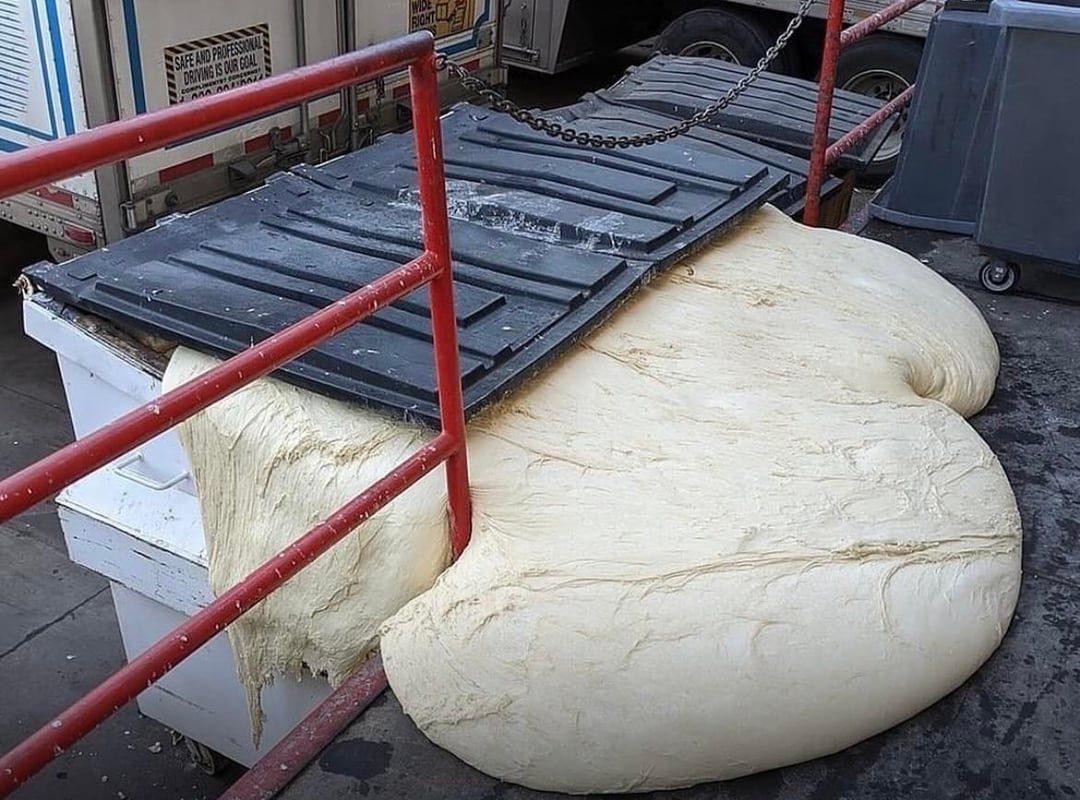
Discarded dough doesn’t stop rising. If there’s enough warmth and moisture, the yeast keeps fermenting. Even in the dumpster
The Secret Life of Discarded Dough: How “Zombie Dough” Keeps Rising—Even in the Trash
[Insert engaging meta description: “Discover why your discarded bread dough doesn’t die in the dumpster—yeast fermentation thrives in landfills, contributing to methane emissions and pollution. Learn eco-friendly solutions here.”]
Imagine this: A baker tosses over-proofed or excess dough into a dumpster, thinking it’s waste. But hours later, that dough is still alive—expanding, bubbling, and releasing gas. It might sound like a scene from a quirky horror movie, but “zombie dough” is a real phenomenon with serious environmental consequences. Here’s why discarded dough doesn’t stop rising, and what businesses and consumers can do to prevent it.
Why Does Discarded Dough Keep Rising?
Yeast—the tiny microorganism responsible for fluffy bread—is incredibly resilient. When dough is thrown away but left in warm, moist environments (like a sunlit dumpster), the yeast continues to ferment sugars, releasing carbon dioxide (CO₂) and alcohol. This causes the dough to expand, rupture bags, ooze sticky residue, and even mold—creating a chaotic, smelly mess.
But the problem goes beyond a messy dumpster. In landfills, dough joins other organic waste buried in oxygen-starved (anaerobic) conditions. Here, decomposition shifts to methane production—a potent greenhouse gas 25x more damaging than CO₂ in the short term. As the dough breaks down, it contributes to landfill emissions, odor, and even ground instability.
The Hidden Environmental Impact
- Methane Emissions: Landfills are the third-largest source of human-made methane in the U.S. Discarded food like dough is a major culprit.
- Resource Waste: Flour, water, energy, and labor invested in the dough are squandered.
- Landfill Overload: Expanding dough takes up more space, accelerating landfill capacity issues.
- Pests & Pollution: Fermenting dough attracts rodents, insects, and leaks foul-smelling liquids (leachate) into soil and waterways.
How Businesses Can Prevent “Zombie Dough”
- Donate or Repurpose:
- Partner with farms for animal feed (ensure it’s safe and legal).
- Work with food banks or composters—some accept unused dough.
- Compost Strategically:
- Industrial composting breaks down dough aerobically, minimizing methane.
- Avoid home composting; yeast may survive and attract pests.
- Small-Batch Baking: Reduce waste by aligning production with demand.
- Store Waste Correctly: Freeze dough scraps before disposal to halt yeast activity.
Consumers: Do Your Part!
- Compost Smartly: Check if your local facility accepts baked goods (many don’t due to oils/additives).
- Upcycle Scraps: Turn leftover dough into croutons, breadcrumbs, or pizza bases.
- Demand Low-Waste Options: Support bakeries that donate surplus or use sustainable packaging.
The Bigger Picture
Every year, 30-40% of the U.S. food supply is wasted, much of it ending up in landfills. Bread and baked goods are among the most wasted items. By addressing “zombie dough,” businesses reduce emissions, save money, and align with zero-waste goals. Innovations like anaerobic digesters (which turn food waste into energy) offer scalable solutions too.
Final Thought: That dough may look dead in the trash, but its environmental impact is very much alive. Through smarter practices, we can prevent discarded dough from haunting our planet.
CTA:
- Bakeries: Audit your waste stream and explore composting partnerships.
- Shoppers: Buy only what you need and store bread properly.
- Advocates: Support policies that incentivize food waste reduction.
Let’s rise to the challenge—not our landfill emissions.
SEO Keywords: Food waste solutions, dough fermentation, methane emissions, sustainable baking, compost bread dough, zero-waste bakery, landfill pollution, yeast in landfills, reducing food waste, anaerobic digestion.