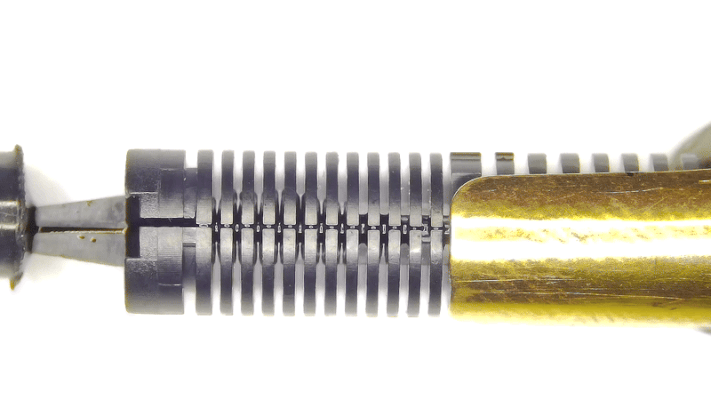
source PenProject (more videos there)
Title: The Mesmerizing Art of Watching Ink Travel Through Fountain Pen Fins: A Deep Dive
Introduction
Ever found yourself captivated by the elegant dance of ink flowing through the delicate fins of a fountain pen? This hypnotic phenomenon is more than just a visual treat—it’s a testament to the ingenious engineering behind fountain pens. Whether you’re a seasoned pen enthusiast or a curious newcomer, understanding how ink navigates the labyrinth of fins reveals the magic of fluid dynamics, precision design, and the sheer beauty of analog writing. In this article, we’ll explore why ink flow through fountain pen fins fascinates users, how it contributes to performance, and tips for maximizing this mesmerizing experience.
What Are Fountain Pen Fins and Why Do They Matter?
Fountain pen fins (also called “feed fins”) are the thin, comb-like channels carved into the pen’s feed—the plastic or ebonite component beneath the nib. The feed is the unsung hero of any fountain pen, responsible for regulating ink flow from the reservoir to the nib. Here’s how the fins work:
- Ink Regulation: The fins act as a buffer system, storing excess ink and preventing leaks or blobbing.
- Airflow Balance: They facilitate controlled airflow to maintain a steady vacuum, allowing ink to flow smoothly without interruption.
- Temperature Buffer: Fins help mitigate the effects of temperature or pressure changes (e.g., flying with a pen) by creating a reservoir to absorb ink expansion.
When you write, capillary action pulls ink from the feed toward the nib, while the fins ensure consistency by wicking away surplus ink and preventing flooding.
The Hypnotic Appeal of Watching Ink Flow
Watching ink travel through the fins isn’t just functional—it’s a sensory ritual cherished by fountain pen users. Here’s why this microcosmic journey enthralls:
- A Living Art Piece: The fins transform into a miniature canvas where vibrant ink creeps, pools, and shimmers. Sheening or shimmering inks (like those with gold particles) amplify this effect.
- Meditative Focus: Observing ink’s slow, deliberate movement encourages mindfulness, turning the act of writing into a calming, intentional practice.
- A Lesson in Physics: The fins demonstrate capillary action, surface tension, and viscosity in real-time. Darker inks (e.g., deep blues or blacks) contrast sharply against clear feeds, making the journey easier to admire.
Pro Tip: Use a demonstrator fountain pen (a model with a transparent barrel and feed) for an unobstructed view of ink threading through the fins.
Optimizing the Experience: Tips & Tricks
To enhance the visual and functional aspects of your pen’s ink flow:
-
Choose the Right Ink:
- Wet Inks: Free-flowing inks like Pilot Iroshizuku or Waterman intensify fin activity.
- High-Contrast Inks: Pair light-colored feeds with dark inks (e.g., red, purple) for maximum visibility.
- Avoid Clogging: Shimmer or pigment-heavy inks may accumulate in fins over time. Clean your pen regularly to maintain flow clarity.
-
Clean Your Feed:
Use a bulb syringe or pen flush to remove dried ink from fins. This keeps the channels clear and the ink flow mesmerizing. -
Adjust Your Feed:
Some pens (like TWSBIs or JoWos) allow for feed adjustments. A slightly wider gap between nib and feed increases ink visibility but may require flow tuning. -
Lighting Matters:
Backlight your pen with a bright desk lamp or natural sunlight to illuminate the ink’s path and reveal hidden details.
FAQs About Fountain Pen Fins
Q: Why do some feeds have more fins than others?
A: High-flex or wet-writing nibs often feature more fins to handle greater ink volume. Dryer nibs (e.g., EFs) may use simpler designs.
Q: Can clogged fins ruin my pen?
A: Yes—clogged fins disrupt ink flow, causing skips or hard starts. Regular cleaning prevents long-term damage.
Q: Are ebonite feeds better at showcasing ink flow?
A: Yes! Ebonite (a hardened rubber) is often used in premium pens for its superior ink channel precision and slight translucence.
Conclusion: Where Science Meets Serenity
The humble fountain pen fin does far more than guide ink—it invites us to pause and appreciate the intersection of artistry and engineering. By understanding how these tiny channels shape your writing experience, you unlock a deeper connection to the tools that turn thoughts into tangible beauty.
Next time you pick up your fountain pen, take a moment to watch the ink glide through the fins. It’s a silent tribute to the timeless craft of writing by hand—one droplet, one fin, and one word at a time.
Ready to elevate your ink-watching game? Share your favorite “fin-spotting” moments or pen-and-ink pairings in the comments below!