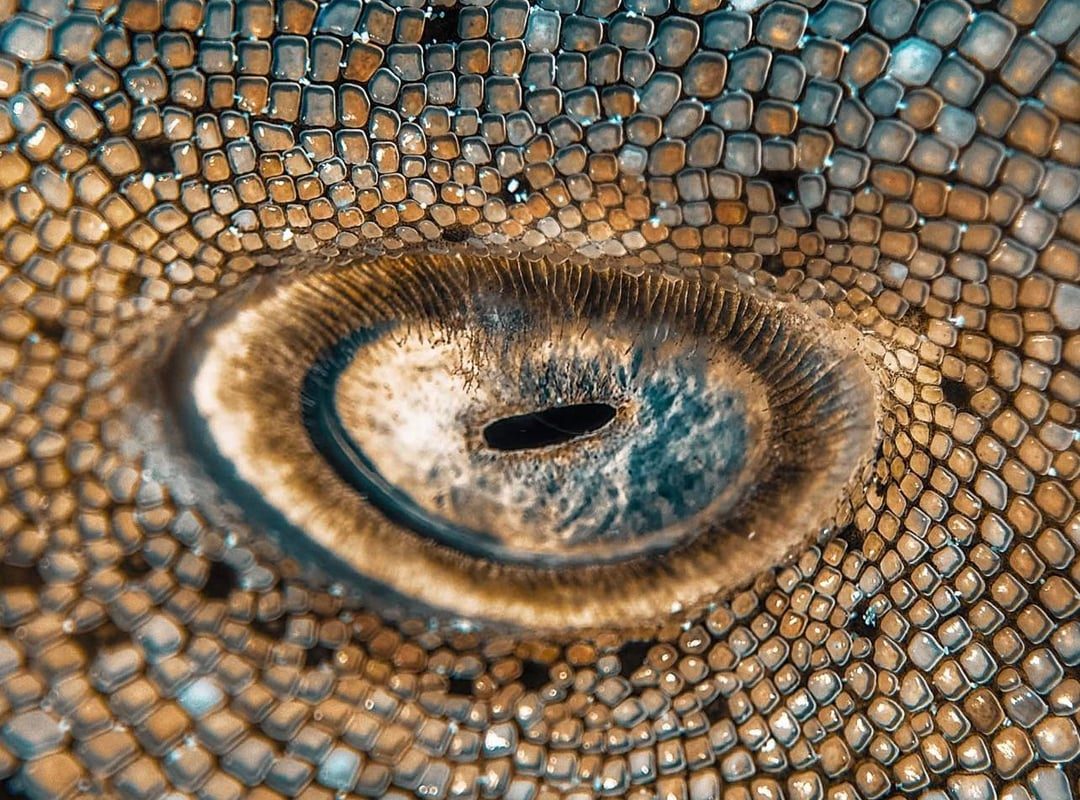
The eyes of a nurse shark
Title: The Eyes of a Nurse Shark: Anatomy, Function, and Myths Debunked
Nurse sharks (Ginglymostoma cirratum) are fascinating creatures often spotted gliding gracefully along ocean floors, coral reefs, and sandy bottoms in warm coastal waters. While their docile nature and distinctive barbels (sensory organs near the mouth) often steal the spotlight, their eyes are equally intriguing. In this article, we dive deep into the anatomy, function, and common misconceptions about nurse shark eyes, shedding light on how these ambush predators perceive their underwater world.
Anatomy of Nurse Shark Eyes
Nurse sharks possess relatively small eyes compared to their large, stout bodies, which can grow up to 10 feet long. Their eyes are positioned on the sides of their flat, broad heads, giving them a wide field of view—critical for detecting predators and prey in their dimly lit habitats. Key anatomical features include:
-
Nocturnal Adaptations:
Nurse sharks are nocturnal hunters, and their eyes are optimized for low-light environments. They have a high concentration of rod cells (photoreceptors sensitive to dim light) in their retinas, allowing them to see in murky or dark waters. -
Tapered Pupils:
Unlike many sharks with round pupils, nurse sharks have distinctive vertically slit pupils, similar to cats. This shape helps regulate light intake, enhancing vision in varying light conditions. -
Nictitating Membranes:
Nurse sharks have a semi-transparent nictitating membrane (a third eyelid) that slides horizontally across the eye to protect it during feeding or when resting on the seafloor. This membrane also ensures clarity of vision while guarding against debris. -
Lack of Eyelids:
Like all sharks, nurse sharks don’t have movable eyelids. Instead, they rely on the nictitating membrane and rapid eye movements to keep their eyes clean and moist.
How Do Nurse Sharks Use Their Eyes?
Vision plays a secondary but important role in how nurse sharks navigate and hunt. While they primarily rely on their electroreception (via ampullae of Lorenzini) and acute sense of smell to locate prey hidden in sand or crevices, their eyes contribute in several ways:
-
Motion Detection:
Their side-positioned eyes provide a broad panoramic view, helping them spot movement from predators or potential prey like crustaceans, mollusks, and small fish. -
Low-Light Hunting:
During nighttime foraging, their rod-dominated retinas allow them to detect shapes and contrasts, even in near darkness. -
Social Interaction:
Studies suggest nurse sharks use visual cues for communication during mating or territorial disputes, though this behavior requires further research.
Common Myths About Nurse Shark Eyes
Myth 1: “Nurse Sharks Have Poor Vision”
While their eyesight isn’t as sharp as that of pelagic sharks (e.g., great whites), nurse sharks have good low-light vision suited to their lifestyle. Their reliance on other senses doesn’t equate to blindness.
Myth 2: “They Can’t See Color”
Like most sharks, nurse sharks likely see in monochrome (shades of gray). Their retinas lack cone cells, which are responsible for color vision in humans, but this trade-off improves their night vision.
Myth 3: “Their Eyes Glow in the Dark”
Under certain lights (e.g., dive lamps), nurse shark eyes may appear to glow due to the tapetum lucidum—a reflective layer behind the retina that amplifies available light. This adaptation is common in nocturnal animals.
Why Their Eyes Matter for Survival
Nurse sharks are “bottom-dwellers” that spend much of their time resting on reefs or sandy patches. Their eyes, while not their primary sensory tool, work synergistically with other adaptations:
- They remain motionless for hours, using their eyes to monitor surroundings while conserving energy.
- Juveniles rely more on vision to avoid larger predators before reaching full size.
Conclusion
The eyes of a nurse shark may seem unremarkable at first glance, but they reveal a sophisticated evolutionary design for survival in shadowy marine environments. Far from being a weak point, their vision complements their powerful senses of smell and electroreception, making them efficient nocturnal hunters. By understanding these adaptations, we gain deeper respect for these gentle giants and their role in ocean ecosystems.
FAQ Section
Q: Can nurse sharks see in complete darkness?
A: While they can’t see in absolute darkness, their eyes are highly sensitive to minimal light, such as moonlight or bioluminescence.
Q: Do nurse sharks close their eyes?
A: No—they lack eyelids. Instead, the nictitating membrane provides protection without obstructing vision.
Q: Are nurse sharks attracted to light?
A: Like many marine species, they may investigate artificial lights out of curiosity, but this doesn’t indicate dependence on vision.
Explore Further: Learn how nurse sharks use their barbels to locate prey or discover why they’re nicknamed the “couch potatoes of the sea”!
Keywords: nurse shark eyes, nurse shark vision, nurse shark adaptations, nocturnal shark eyes, nurse shark anatomy, nictitating membrane, shark eye function.
Optimize your marine biology knowledge! Share this article to spread awareness about nurse sharks’ incredible adaptations.