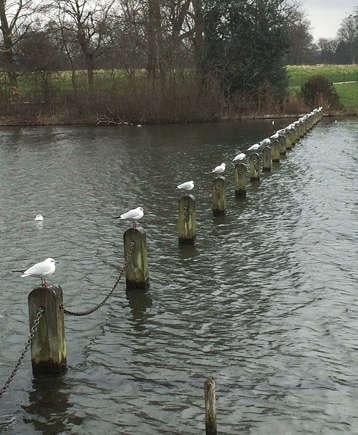
The Placement of Seagulls
The Placement of Seagulls: Understanding Their Role and Habitats
Seagulls are among the most recognizable coastal birds, often seen soaring over beaches, docks, and harbors. But their “placement”—where they live, nest, and interact with ecosystems—is a fascinating topic with significant ecological and human implications. In this article, we explore the habitats, behaviors, and ecological roles of seagulls, as well as their complex relationship with humans.
The Natural Habitat of Seagulls
Seagulls are highly adaptable birds found across every continent, including Antarctica. While commonly associated with coastal regions, they thrive in diverse environments:
-
Coastal Zones:
These are their most iconic habitats, where seagulls scavenge for fish, crustaceans, and marine debris. They congregate near shorelines, estuaries, and fishing ports, taking advantage of abundant food sources. -
Inland Waterways:
Lakes, rivers, and reservoirs also host seagull populations. Species like the Black-headed Gull often nest near freshwater bodies, feeding on insects, small fish, and human leftovers. -
Urban Environments:
Seagulls have increasingly adapted to cities, nesting on rooftops and scavenging in landfills, parks, and outdoor dining areas. Their intelligence and opportunistic nature make them highly successful urban dwellers.
Nesting Habits and Breeding Grounds
Seagull placement isn’t random—nesting sites are carefully selected for safety and resource access:
- Cliff Ledges & Sand Dunes: In natural settings, gulls nest on isolated cliffs or dunes to avoid predators like foxes and raccoons.
- Rooftops & Structures: In urban areas, flat rooftops mimic natural cliffs, offering protection from ground threats.
- Colony Nesting: Many species breed in dense colonies, providing safety in numbers. For example, Herring Gulls gather in groups of hundreds during breeding season.
Migration and Seasonal Placement
Seagulls exhibit varied migration patterns:
- Resident Populations: Coastal gulls may stay in temperate regions year-round.
- Long-Distance Migrants: Species like the Arctic Tern (often mistaken for a gull) travel thousands of miles between polar regions.
- Food-Driven Movement: Urban gulls adjust placement based on food availability, following fishing boats or migrating toward cities in winter when natural prey is scarce.
Climate change is altering these patterns, with some species expanding ranges northward as temperatures rise.
Ecological Role: Beyond the Beach
Seagulls play critical roles in their ecosystems:
- Scavengers: They clean coastlines by consuming dead fish and organic waste.
- Predators & Prey: They regulate populations of small fish and insects while serving as food for eagles, owls, and foxes.
- Seed Dispersers: Their droppings spread seeds, aiding plant growth in coastal areas.
Human-Conflict and Coexistence
Seagull placement near human settlements often sparks conflict:
- Nuisance Behaviors: Raiding trash bins or snatching food can lead to complaints.
- Health Concerns: Large populations may spread bacteria through droppings.
- Mitigation Strategies:
- Secure trash bins and avoid feeding gulls.
- Use deterrents like reflective tape or bird spikes on rooftops.
- Protect nesting sites during breeding seasons to reduce aggression.
Despite tensions, seagulls contribute to urban biodiversity and can be appreciated for their intelligence and resilience.
Key Takeaways on Seagull Placement
- Seagulls occupy diverse habitats—coastal, inland, and urban—with nesting strategies adapted to each environment.
- Human activity, including food waste and urbanization, heavily influences their distribution.
- Conservation efforts should balance coexistence with protecting ecosystems.
FAQs About Seagulls
Q: Are seagulls endangered?
A: Most species are thriving (e.g., Herring Gulls). However, some, like the Black-billed Gull, face threats from habitat loss.
Q: Why are seagulls loud in cities?
A: Vocalizations establish territory, warn of threats, or communicate about food. Noise escalates in highly populated areas.
Q: How long do seagulls live?
A: Average 10–15 years in the wild, though some reach 20+ years with abundant food and minimal threats.
Q: Do seagulls sleep while flying?
A: No—they sleep on water or land, often in large groups for safety.
Conclusion
The placement of seagulls—where they nest, feed, and interact—reveals their remarkable adaptability. As human and seagull habitats increasingly overlap, understanding their behavior is key to fostering harmony. By respecting their ecological role and adopting smart coexistence strategies, we can ensure these coastal icons continue to thrive.
For more wildlife insights, subscribe to our newsletter or explore our guides on coastal ecosystems!
Meta Description:
Discover the fascinating habitats, nesting habits, and ecological roles of seagulls. Learn how human activity affects their placement and how to coexist with these adaptable coastal birds.
Target Keywords: seagull habitat, seagull nesting locations, urban seagulls, seagull behavior, seagull migration, coexisting with seagulls.
This SEO-friendly article balances scientific accuracy with accessibility, incorporating high-traffic keywords while addressing common questions about seagull placement. It’s optimized for readability and engagement, appealing to nature enthusiasts and urban residents alike.