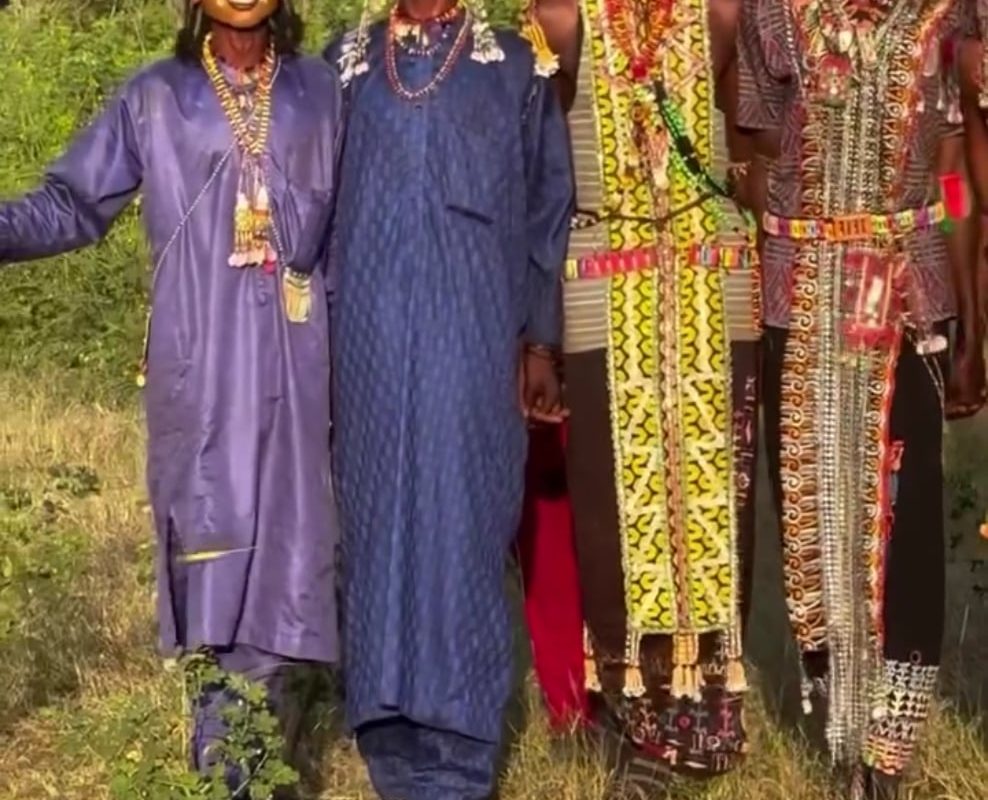
Wodaabe men wearing makeup and elaborate costumes use striking facial expressions, rhythmic chattering and a series of dances in an elaborate, centuries-old courtship ritual at the Gerewol Festival in Chad
Title: Unveiling the Gerewol Festival: The Captivating Courtship Ritual of Chad’s Wodaabe Men
Meta Description: Discover the Gerewol Festival, where Wodaabe men of Chad dazzle with makeup, costumes, and dance in a centuries-old courtship spectacle. Explore the traditions, symbolism, and cultural significance of this vibrant event.
Introduction
Deep in the Sahel region of Chad, an extraordinary event unfolds each year: the Gerewol Festival, a dazzling courtship ritual practiced by the Wodaabe people. This nomadic Fulani subgroup celebrates beauty, masculinity, and lineage through a breathtaking display of makeup, elaborate costumes, rhythmic chattering, and hypnotic dances. For the Wodaabe, the Gerewol is more than a festival—it’s a celebration of identity, love, and resilience in one of Africa’s harshest landscapes.
In this article, we dive into the symbolism, rituals, and cultural power of this ancient ceremony, where men transform into living works of art to win the hearts of women.
The Gerewol Festival: A Courtship Spectacle
The Gerewol Festival, held annually at the end of the rainy season (around September/October), marks a rare gathering of Wodaabe clans in Chad and Niger. At its heart is the Yaake dance competition, where men compete to showcase their beauty, grace, and charisma—traits believed to reflect strong genes and social status.
Key Elements of the Ritual:
-
Makeup as Artistry:
- Wodaabe men spend hours perfecting their appearance, applying vivid red ochre, clay, and charcoal to accentuate their features.
- Striking designs highlight their eyes (with black kohl to make them appear larger), teeth (whitened for contrast), and symmetrical bone structure—ideals of Wodaabe beauty.
- Yellow face paint, symbolizing fertility and the golden hues of the savannah, completes the transformative look.
-
Elaborate Costumes:
- Men don colorful robes, intricate beadwork, and feathered headdresses crafted from ostrich plumes and cowrie shells.
- Mirrors sewn into clothing catch the sunlight, symbolizing radiance and purity.
-
Facial Expressions & Rhythmic Chatter:
- Competitors perform exaggerated facial movements—wide eyes, bared teeth—while emitting a rhythmic “chattering” sound, vibrating their tongues rapidly.
- These expressions are designed to emphasize their physical allure, particularly their white teeth and piercing gazes.
-
The Hypnotic Dances:
- The Yaake Dance: Men line up, swaying in unison to hypnotic drumbeats, rolling their eyes, and contorting their faces to captivate female judges.
- The Ruume Dance: A vigorous display of stamina and athleticism, where men leap and stomp to demonstrate strength.
Behind the Beauty: Symbolism & Cultural Meaning
For the Wodaabe, beauty is not vanity—it’s a cultural duty. The Gerewol ritual reinforces values central to their nomadic lifestyle:
- Marriage & Lineage: Women (often married) choose partners based on appearance and dance skill, a rare matriarchal twist in courtship traditions. Winners may earn brief romantic relationships, strengthening genetic diversity.
- Pride & Resilience: The festival unifies clans amid harsh desert conditions, celebrating Wodaabe identity and endurance.
- Spirituality: The dances and makeup connect participants to ancestral spirits and the natural world, honoring animals like cattle, their lifeblood.
Witnessing the Gerewol: A Traveler’s Guide
While remote, the festival attracts intrepid travelers seeking authentic cultural immersion:
- Location: Best experienced in Chad’s Sahel region, near the town of Abéché. Similar events occur in Niger.
- Timing: The festival lasts 7–10 days, timed after rains when water and grazing are plentiful.
- Respectful Engagement:
- Photography requires permission. Avoid disrupting rituals.
- Local guides are essential for access and cultural insights.
Why the Gerewol Festival Matters Today
In a rapidly modernizing world, the Gerewol stands as a defiant celebration of tradition. Climate change, political instability, and encroaching globalization threaten Wodaabe nomadism, making festivals like this vital for cultural survival. UNESCO and NGOs now work to document and safeguard the ritual, ensuring future generations can witness its majesty.
FAQs About the Gerewol Festival
Q: Can women participate in the dances?
A: No—dancing is a male role. Women act as judges, selecting winners based on beauty and skill.
Q: Is the festival open to tourists?
A: Yes, but access is challenging. Local guides and tour operators facilitate visits ethically.
Q: What do winners receive?
A: Honor and admiration. Some may form temporary relationships with the women judges.
Conclusion
The Gerewol Festival offers a mesmerizing window into the Wodaabe’s world, where beauty is performance, identity is art, and love is a dance. As men adorned in kaleidoscopic hues chant under the Sahel sun, they embody a tradition that has defied centuries—a testament to the enduring power of culture, community, and human creativity.
For travelers and cultural enthusiasts, witnessing the Gerewol is an unforgettable journey into the heart of Africa’s living heritage.
Target Keywords: Gerewol Festival, Wodaabe courtship ritual, Chad cultural festivals, Wodaabe men makeup, African tribal dances, Yaake dance, Wodaabe traditions, Sahel cultural heritage.
Optimization Tips:
- Link to reputable sources like UNESCO or cultural NGOs for credibility.
- Include high-quality images/videos of Wodaabe men dancing in makeup.
- Update annually with festival dates/travel tips.