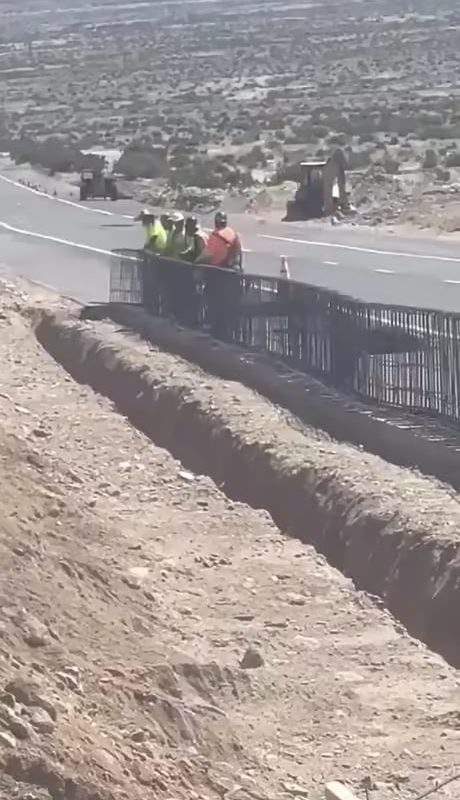
The concrete boys finishing up installing the rebar.
Title: Rebar Installation Complete: What This Critical Construction Milestone Means for Your Concrete Project
For construction crews and project managers, hearing the phrase, “The concrete boys are finishing up installing the rebar” signifies a major leap forward in any concrete project. Rebar (short for reinforcing steel bar) is the skeletal framework that gives concrete its strength and durability. Its precise installation sets the stage for structural integrity—and completing this phase is a cause for celebration (and careful inspection). In this article, we’ll break down why rebar installation matters, common challenges during the process, and what comes next.
Why Rebar Installation Is Non-Negotiable in Construction
Rebar transforms ordinary concrete into reinforced concrete—a material capable of withstanding immense tension, compression, and environmental stressors. Without it, concrete slabs, foundations, columns, and walls would crack, shift, or fail prematurely. Installing rebar correctly ensures:
- Structural longevity: Prevents cracks caused by thermal expansion, soil movement, or heavy loads.
- Load distribution: Evenly spreads weight across the concrete structure.
- Code compliance: Meets local building codes and engineering specifications.
When the “concrete boys” finish installing the rebar, it means the project’s backbone is now locked in place—but it’s also a signal to double-check all details before the pour.
Key Steps in the Rebar Installation Process
The phrase “finishing up installing the rebar” might sound simple, but it involves meticulous planning and execution:
-
Design & Layout:
- Rebar is placed according to engineered blueprints, accounting for spacing, overlaps, and bend placements.
- Bars must be positioned at precise depths within the formwork to ensure optimal concrete coverage.
-
Cutting, Bending, and Tying:
- Rebar is cut to size, bent for corners or curves, and secured with wire ties or mechanical couplers.
- Workers pay close attention to intersections and lap splices (where bars overlap to transfer stress).
-
Supports & Spacers:
- Chairs, bolsters, or plastic spacers lift rebar off the ground and hold it in place during the pour.
- This prevents displacement and ensures uniform concrete encasement (critical for corrosion resistance).
-
Quality Checks:
- Inspectors verify bar sizes, spacing, and alignment against plans.
- Common issues include misplaced bars, insufficient laps, or missing ties.
Common Challenges During Rebar Installation
Even for experienced crews, surprises can arise during rebar work:
- Weather Delays: Rain or extreme heat can warp or rust uncovered rebar.
- Complex Geometries: Curved walls, slopes, or intricate foundations demand skillful bending.
- Coordination Errors: Miscommunication between designers, engineers, and crews can lead to misplaced bars.
- Corrosion Risks: If spacers fail or concrete cover is too thin, moisture may corrode the steel over time.
When installation is complete, a final walkthrough with the project engineer is essential to catch and rectify these issues before concrete hits the forms.
What Happens After Rebar Installation?
Once the rebar grid is signed off, crews shift focus to the next phases:
- Formwork Finalization:
- Forms are sealed to prevent leaks, and release agents may be applied for easy stripping post-cure.
- Pre-Pour Inspections:
- Engineers check for debris, proper embedments (e.g., anchor bolts), and rebar clearance from edges.
- Concrete Pouring:
- The concrete is poured, vibrated to eliminate air pockets, and screeded to level the surface.
- Curing:
- Concrete is kept moist and protected for days (or weeks) to achieve maximum strength.
Skipping a thorough post-rebar inspection risks weak spots, honeycombing, or costly repairs later.
The Unsung Heroes: Shout-Out to Rebar Workers
Behind every successful rebar installation are skilled laborers—the “concrete boys” who bend, tie, and secure steel in all conditions. Their work demands:
- Precision: A 1-inch misalignment can compromise the entire structure.
- Physical stamina: Handling heavy rebar in tight spaces is grueling work.
- Attentiveness: Spotting a missing tie or misplaced chair early saves headaches post-pour.
Celebrating their milestone isn’t just good morale—it’s a recognition of craftsmanship that keeps buildings standing for decades.
Tips for Project Managers: Ensuring Rebar Success
If your team is wrapping up rebar installation, keep these best practices in mind:
- Document Everything: Photograph the rebar grid from multiple angles before pouring.
- Pre-Pour Meeting: Gather the concrete crew, finishers, and engineers for a final review.
- Weatherproof: Cover rebar if rain is forecasted before the pour to prevent rust or displacement.
Conclusion: Why Perfect Rebar Matters
The phrase, “The rebar is done,” is music to a project manager’s ears—but only if it’s done right. Flawless rebar installation minimizes future cracks, delays, and safety risks. By prioritizing accuracy, teamwork, and post-installation checks, crews set the project up for success from the ground up.
Whether you’re pouring a driveway or a high-rise foundation, never underestimate the power of well-placed steel. When the concrete boys finish installing the rebar, the real magic—pouring and shaping the concrete—is just beginning.
SEO Keywords: Rebar installation, concrete reinforcement, rebar workers, concrete construction milestones, rebar spacing, concrete project tips, rebar inspection, structural steel in concrete.
Meta Description: “The concrete boys just finished installing the rebar”? Learn why this milestone is critical for structural integrity, common challenges, and next steps for your concrete project.