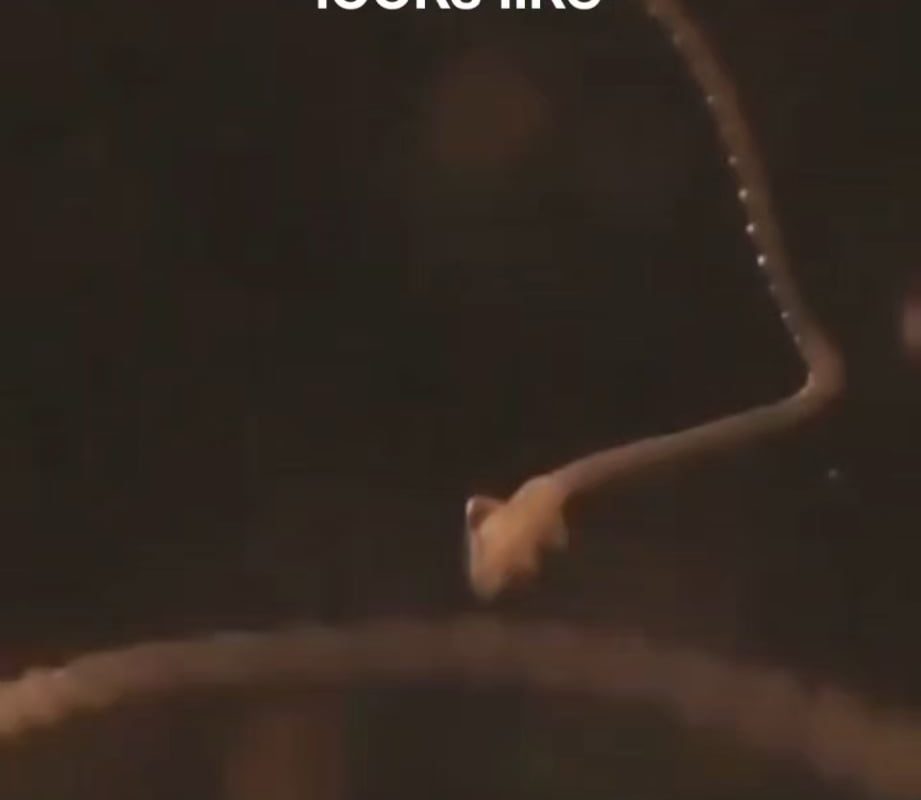
What a tapeworm looks like after it’s been removed from a host (from a mouse)
Title: What Does a Tapeworm Look Like After Removal From a Mouse? A Visual Guide
Meta Description: Discover what a tapeworm looks like after being removed from a mouse, including its physical characteristics, color, size, and why identification matters. Learn about parasite removal and prevention.
What Does a Tapeworm Look Like After Being Removed From a Mouse?
Tapeworms are intestinal parasites that infect a wide range of hosts, including rodents like mice. While these parasites are rarely seen in their intact form outside the host’s body, they may be expelled after treatment or during dissection. If you’ve ever wondered what a tapeworm recovered from a mouse looks like, this guide breaks down its appearance, structure, and biological significance.
Key Physical Characteristics of a Removed Tapeworm
When a tapeworm is extracted from a mouse (usually of the Hymenolepis genus), its appearance depends on its species, stage of development, and whether it was alive or dead at removal. Here’s what to expect:
-
Shape and Size
- A mouse tapeworm’s body is flat, ribbon-like, and segmented. It typically measures 3–10 centimeters (1–4 inches) in length, though immature worms may be smaller.
- The body consists of multiple segments called proglottids, which resemble grains of rice or tiny rectangular blocks linked in a chain. Each segment contains reproductive organs.
-
Color and Texture
- Freshly removed tapeworms are usually white, pale yellow, or translucent. Dead specimens may appear darker or grayish.
- The body is soft and flexible but can become rigid or brittle when dried or exposed to air.
-
Head (Scolex) and Hooks
- The tapeworm’s scolex (head) is tiny (often <1mm) and equipped with suckers or hooklets to anchor itself to the mouse’s intestinal wall.
- Under magnification, hooks may be visible as tiny, sharp structures around the scolex.
-
Segments (Proglottids)
- Mature segments at the tapeworm’s tail end may contain visible eggs. These become gravid (egg-filled) and detach to exit the host via feces.
- Detached segments can sometimes move independently when fresh due to residual muscle activity.
How Are Tapeworms Removed From Mice?
Tapeworms are seldom expelled intact in a living host. Most often, they’re discovered:
- During necropsy or dissection of the mouse, where the intestines are examined.
- After anti-parasitic treatment, such as praziquantel, which paralyzes the worm, causing it to detach and pass in feces. These may appear broken or fragmented.
- In fecal samples, showing proglottids or eggs under a microscope.
Why Identification Matters
Identifying tapeworms helps in:
- Diagnosing infections in laboratory or pet mice.
- Preventing zoonotic spread, though Hymenolepis species in mice (e.g., H. nana) rarely infect humans.
- Controlling outbreaks in rodent colonies by improving hygiene and pest management.
Health Risks to the Host
While a mild tapeworm infection may not visibly sicken a mouse, heavy infestations can cause:
- Weight loss and malnutrition.
- Intestinal blockages or inflammation.
- Increased vulnerability to predators due to lethargy.
Preventing Tapeworms in Mice
- Sanitation: Clean cages regularly to remove fecal matter.
- Pest Control: Prevent fleas and beetles (intermediate hosts for some tapeworms).
- Quarantine New Mice: Isolate and test newcomers to avoid introducing parasites.
Conclusion
A tapeworm removed from a mouse is a flat, segmented, pale-colored parasite with a specialized scolex for attachment. Recognizing its appearance can aid in early detection and treatment, protecting both lab mice and pets. If you suspect a tapeworm infection, consult a veterinarian for accurate diagnosis and safe deworming protocols.
Key Takeaways
- Mouse tapeworms are small (3–10 cm), ribbon-like, and segmented.
- The scolex has hooks or suckers for anchoring to the intestine.
- Prevention relies on hygiene and pest management.
Optimize your understanding of parasites with our related guides on [Common Mouse Diseases] and [How to Detect Worms in Pet Rodents].