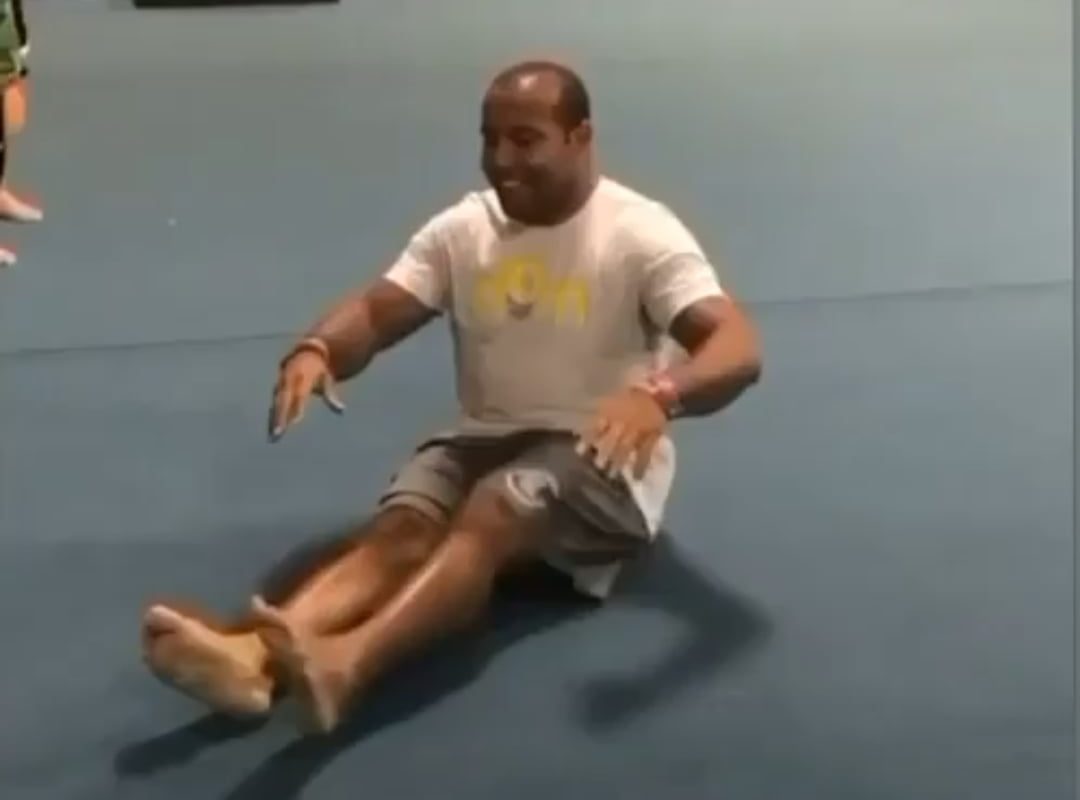
Dude can do a backflip from the floor
Title: Mastering the Impossible: The Unbelievable Skill of Doing a Backflip From the Floor
Meta Description: Discover how some athletes achieve the jaw-dropping feat of performing a backflip from the floor. Learn the training, technique, and physics behind this gravity-defying move.
Dude, Did You See That? The Art of the Floor Backflip Explained
Few feats of athleticism capture attention like a perfectly executed backflip done from a standstill on the floor. No trampoline. No springboard. Just raw power, flexibility, and technique. If you’ve ever seen someone pull this off and thought, “How is that even possible?”—you’re not alone.
In this guide, we’ll break down the science, training, and sheer dedication required to master the standing back tuck (the technical term for a floor backflip) and why it’s considered one of the most impressive moves in gymnastics, parkour, and freerunning.
What Is a Floor Backflip?
A standing backflip (or “back tuck”) involves jumping straight up from the ground, tucking the knees to the chest, rotating backward 360 degrees, and landing on your feet—all without a running start or external momentum. It’s a staple in disciplines like:
- Gymnastics
- Parkour/Free Running
- Martial Arts (Tricking)
- Breakdancing
Unlike a backflip off a raised surface or with a running start, the floor backflip relies purely on explosive lower-body strength and core control.
Why Is It So Difficult?
Performing a backflip from flat ground pushes the human body to its limits. Here’s why:
- Zero Momentum: Without a run-up, you must generate all rotational force from your jump.
- Height Requirement: You need enough air time to complete the flip. For most people, this requires a vertical jump of 18–24 inches.
- Kinetic Confidence: The mental fear of rotating backward without support is a huge barrier.
Can Anyone Learn It?
While not everyone has the natural ability to backflip on day one, most healthy individuals can learn it with proper training. However, you’ll need:
- Leg Strength: Squats, box jumps, and plyometrics build explosive power.
- Core Stability: Rotational force starts from your abs and lower back.
- Flexibility: Tight hamstrings or hips limit height and form.
- Progressions: Start with drills like back handsprings, trampoline flips, or spotters before attempting it solo.
⚠️ Safety First: Always train under supervision (e.g., a coach or spotter) and use mats or foam pits to minimize injury risk. Neck and spinal injuries are serious concerns with improper technique.
Step-by-Step: How to Train for a Standing Backflip
1. Master the Prerequisites
Before flipping, nail these basics:
- Vertical Jump: Aim to touch a target 12+ inches above your standing reach.
- Backward Rolls: Get comfortable rotating backward on the ground.
- Tuck Jumps: Practice pulling your knees to your chest mid-air.
2. Drill the Technique
- Arm Swing: Thrust your arms upward explosively to create lift.
- Tuck Tight: Pull knees to chest to speed up rotation (a loose tuck = a flat backflip).
- Spot Your Landing: Keep your eyes fixed on the ground to time your landing.
3. Use Progressions
- Trampoline Flips: Build muscle memory in a low-risk environment.
- Spotter-Assisted Flips: Have a coach support your hips/back until you’re confident.
- Mattress/Mats: Soft surfaces reduce fear of falling.
4. Overcome Mental Blocks
Fear of flipping backward is natural. Break through it by:
- Visualizing a successful flip repeatedly.
- Starting on elevated surfaces (e.g., a ledge) to shorten rotation time.
Common Mistakes (and How to Fix Them)
- “I’m Not Getting Enough Height”: Focus on arm swing and jump power, NOT leaning backward.
- Landing on My Knees: Tuck tighter and spot the ground earlier.
- Under-Rotating: Drive your knees toward your chest harder for faster spin.
Variations to Show Off
Once you’ve nailed the standard floor backflip, level up with these tricks:
- Arabian Flip: A 180° turn mid-air before flipping.
- Gainer: A backflip while moving forward (common in parkour).
- Double Backflip: Two rotations in one jump—only for elite athletes!
The Physics Behind the Flip
- Rotational Inertia: Tucking reduces your body’s resistance to spinning, allowing faster rotation.
- Center of Mass: Jumping vertically (not backward) keeps your balance aligned for landing.
- Conservation of Angular Momentum: The tighter your tuck, the quicker you spin.
Final Thoughts: Respect the Process
Learning a standing backflip isn’t about luck—it’s about patience, smart training, and incremental progress. Even elite gymnasts drill fundamentals daily. As viral sensation Devon “The Backflip Guy” (who famously did 50 backflips in a row) says:
“The floor backflip is a conversation between you and gravity. You win by understanding the rules.”
So, grab a spotter, hit the gym, and start small. With time, you might just be the next dude who leaves crowds speechless with a single leap.
FAQ: Floor Backflips
Q: How long does it take to learn a standing backflip?
A: For fit beginners: 3–6 months of consistent training.
Q: Can you learn without a gym or coach?
A: Possible but risky. Mats, spotters, and professional feedback drastically reduce injury risk.
Q: Am I too old to learn?
A: Age isn’t the limit—health is. Many adults master flips in their 30s and 40s with proper conditioning.
Ready to Flip?
If this article fueled your ambition, share it with fellow daredevils! Drop a comment if you’ve nailed the floor backflip or have questions. And remember: Safety, progression, and persistence are the keys to defying gravity. 🚀
#Backflip #Gymnastics #Parkour #Freerunning #FitnessGoals