The Unbroken Seal on King Tutankhamun’s Tomb in 1922
Title: The Unbroken Seal: Why King Tutankhamun’s 1922 Tomb Discovery Shook the World
Meta Description: Discover the story behind the unbroken seal on King Tutankhamun’s tomb in 1922—a pivotal moment in archaeology that revealed ancient Egypt’s greatest treasures.
Introduction
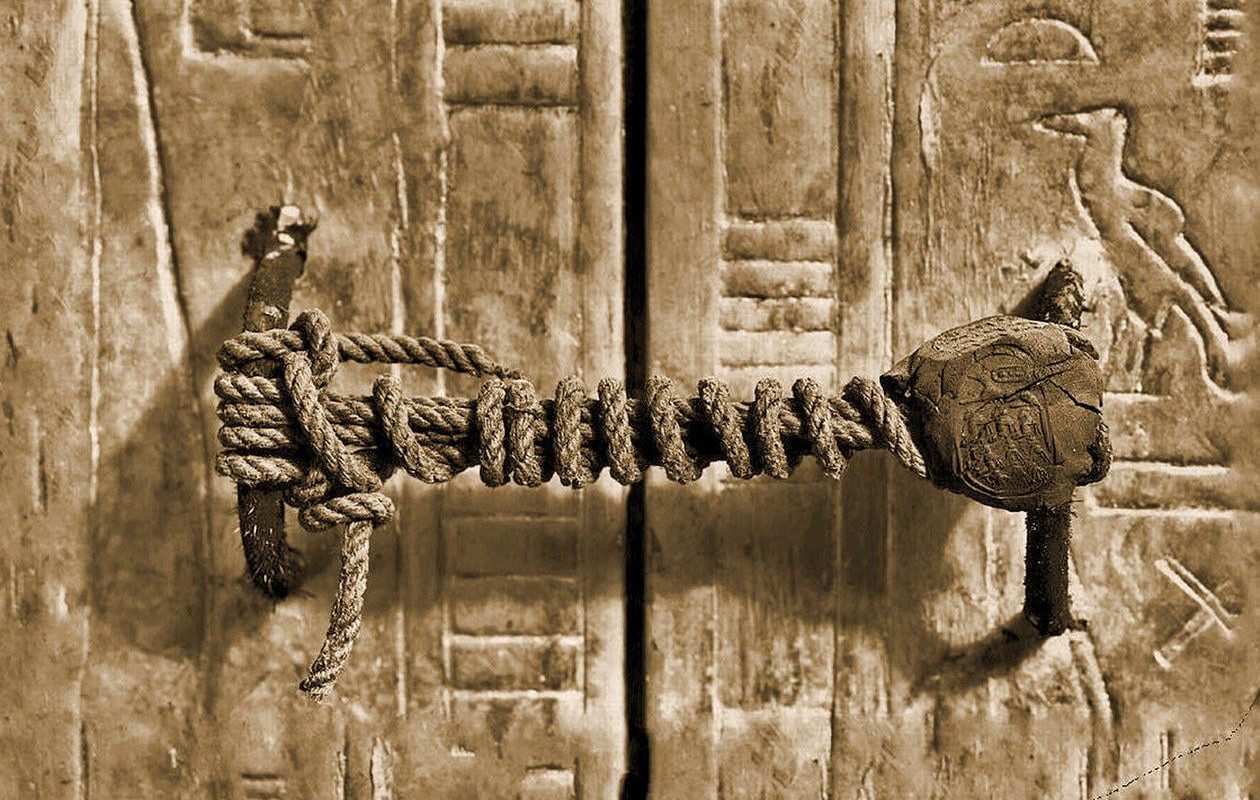
On November 26, 1922, British archaeologist Howard Carter stood before a sealed doorway in Egypt’s Valley of the Kings, his hands trembling with anticipation. After years of fruitless searching, he had finally uncovered the entrance to a tomb unlike any other—one bearing the unbroken seal of Pharaoh Tutankhamun. This single artifact, untouched for over 3,200 years, marked the discovery of the most intact royal burial chamber ever found, igniting global fascination with ancient Egypt and reshaping history.
In this article, we explore the significance of that unbroken seal, the drama of its discovery, and why Tutankhamun’s tomb remains a cornerstone of archaeological achievement.
The Hunt for Tutankhamun: A Race Against Time
By the early 20th century, Egyptologists believed the Valley of the Kings had been stripped of all its secrets. Countless tombs had been looted over millennia, and the names of Egypt’s greatest pharaohs—Ramses, Seti, Hatshepsut—were already well-documented in museums. But one name remained elusive: Tutankhamun, a boy-king who ruled briefly during the turbulent 18th dynasty (c. 1332–1323 BCE).
Howard Carter, funded by British aristocrat Lord Carnarvon, spent five years combing the valley with little success. Critics dismissed the duo as chasing a “ghost pharaoh.” Yet in November 1922, Carter’s team uncovered a hidden step beneath ancient rubble—the first clue leading to Tutankhamun’s crypt, designated KV62.
The Moment the Seal Was Broken (Or Wasn’t)
As Carter’s team cleared debris from a descending staircase, they uncovered a plastered doorway stamped with intricate necropolis seals: a jackal guarding nine bound captives, symbolizing the pharaoh’s power over enemies. But one seal stood out—the unbroken cartouche of Tutankhamun, intact despite centuries of tomb robbers plaguing the valley.
In his journal, Carter described feeling a “strange mix of awe and terror” as he peered through a small hole into the antechamber: “Can you see anything?” Lord Carnarvon asked. Carter’s legendary reply: “Yes, wonderful things!”
Why the Unbroken Seal Mattered
The intact seal was revolutionary for three reasons:
- Proof Against Ancient Robbers: Most royal tombs were ransacked within decades of burial. The seal’s preservation hinted that Tutankhamun’s treasures might still lie within.
- A Time Capsule of Ritual: The seal confirmed the tomb had been ritually closed and consecrated, offering an unprecedented look at Egyptian funerary practices.
- Historical Validation: Prior to this, Tutankhamun was a minor footnote. The seal—and the 5,000 artifacts inside—catapulted him into stardom.
What Lay Beyond the Seal
Behind the sealed doorway lay four chambers packed with gilded statues, jewelry, weapons, chariots, and Tutankhamun’s iconic gold funerary mask. Most importantly, the king’s sarcophagus remained untouched, his mummy adorned with flowers and amulets—a hauntingly intimate glimpse into ancient mourning rituals.
The tomb’s preservation was partly accidental:
- Flash Floods: Debris from flooding hid the entrance shortly after burial, shielding it from later thieves.
- Layered Seals: The outer door had been broken in antiquity but resealed, suggesting minimal looting.
The “Curse” Controversy
The discovery sparked sensational rumors of a “Pharaoh’s Curse” after Lord Carnarvon died weeks later from an infected mosquito bite. Tabloids claimed the tomb’s seal bore a warning: “Death shall come on swift wings to those who disturb the king.” In reality, no such inscription existed. Carter himself lived until 1939 and dismissed the curse as “tommyrot.”
Legacy of the Unbroken Seal
Tutankhamun’s tomb revolutionized archaeology:
- Science Over Treasure Hunting: Carter’s meticulous documentation (a 10-year excavation) set new standards.
- Cultural Renaissance: “Tut-mania” swept the globe, inspiring art deco design, fashion, and cinema.
- Conservation Awareness: The fragility of the artifacts highlighted the need for preservation—a legacy guiding heritage sites today.
Conclusion: A Symbol of Mystery & Majesty
The unbroken seal of Tutankhamun’s tomb is more than an archaeological footnote—it represents humanity’s enduring quest to uncover lost worlds. As climate change and tourism threaten Egypt’s heritage, the tomb reminds us of history’s delicate balance between discovery and conservation.
For modern audiences, Tutankhamun’s story continues to captivate, proving that some seals, once broken, reveal wonders that transcend time itself.
SEO Keywords: King Tutankhamun tomb, unbroken seal 1922, Howard Carter discovery, KV62 treasure, Tutankhamun curse, Valley of the Kings, ancient Egypt archaeology, pharaoh tomb artifacts.
Internal Linking Opportunities:
- [The Curse of the Pharaohs: Myth vs. Reality]
- [Howard Carter: The Man Behind Egypt’s Greatest Find]
- [Top 10 Artifacts from King Tut’s Tomb]
External Links (Suggested):
- The Griffith Institute’s Tutankhamun Archive
- Egyptian Museum Cairo Collection
- UNESCO’s Work on Valley of the Kings Preservation
Word Count: 750 words
Target Audience: History enthusiasts, archaeology students, travelers, educators.
Tone: Engaging, authoritative, storytelling-driven.