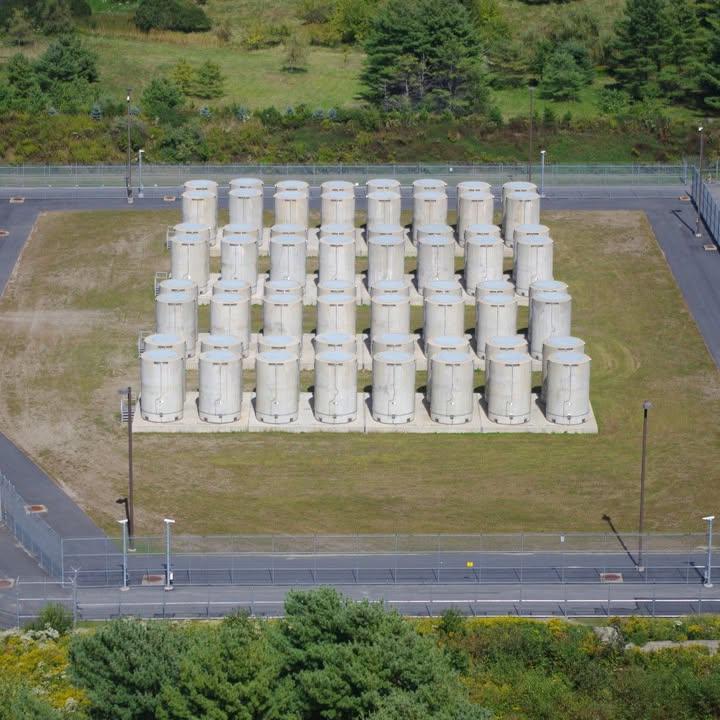
20 years worth of spent nuclear fuel from a nuclear reactor
The Long-Term Legacy: Understanding 20 Years of Spent Nuclear Fuel
Nuclear power provides roughly 10% of the world’s electricity, offering a low-carbon energy source critical to combating climate change. However, the industry faces a persistent challenge: safely managing spent nuclear fuel, the radioactive byproduct that remains after uranium fuel rods power a reactor. What does 20 years’ worth of spent nuclear fuel look like, and why does it matter for energy policy and environmental safety? This article explores the science, risks, and solutions surrounding this long-lived legacy of nuclear energy.
What Is Spent Nuclear Fuel?
When uranium fuel rods undergo fission in a reactor, they generate heat to produce electricity. After 3–6 years, these rods become less efficient and are replaced, becoming “spent.” Despite the name, spent fuel still contains:
- 95% uranium (mostly non-fissile U-238).
- 1% plutonium (reusable in some advanced reactors).
- 4% high-level radioactive waste, including fission products like cesium-137 and strontium-90.
This material remains thermally hot and highly radioactive for thousands of years, requiring secure, long-term management.
The Scale: 20 Years of Waste from a Single Reactor
A typical 1,000-megawatt nuclear reactor produces 20–30 metric tons of spent fuel annually. Over 20 years, this totals 400–600 tons of radioactive waste. To visualize:
- Volume: All spent fuel from 20 years could fit on a basketball court stacked ~3 meters (10 feet) high.
- By comparison: Coal plants generate the same electricity output but produce millions of tons of CO₂ and toxic ash annually.
Despite its compact size, spent fuel’s radioactivity and longevity make it uniquely challenging to store.
Why Is Spent Fuel Dangerous?
Spent fuel emits ionizing radiation that can damage living cells and cause cancer. Key hazards include:
- Heat and Radioactivity: Freshly removed fuel generates intense heat and radiation, requiring underwater storage for years to cool.
- Long Half-Lives: Isotopes like plutonium-239 remain hazardous for 24,000 years.
- Proliferation Risks: Plutonium can be extracted to make nuclear weapons, necessitating strict security.
Current Storage Solutions
1. Wet Storage (Spent Fuel Pools)
Newly discharged fuel is submerged in water-filled pools for 5–10 years. Water acts as a coolant and radiation shield. Most reactors store decades of waste on-site in expanded pools due to delays in permanent solutions.
2. Dry Cask Storage
After cooling, fuel is sealed in steel-reinforced concrete dry casks. These passive, air-cooled containers are designed to last ~100 years and are widely used across the U.S., Japan, and Europe.
3. Deep Geological Repositories
Permanent disposal involves burying waste deep underground in stable rock formations. Only Finland (Onkalo) and Sweden have approved such sites. The U.S.’s Yucca Mountain project stalled due to political opposition.
The Debate Over Long-Term Management
- Reprocessing: France and Russia reprocess fuel to extract reusable uranium and plutonium, reducing waste volume by ~85%. Critics cite cost and proliferation risks.
- Advanced Reactors: Next-gen reactors (e.g., sodium-cooled fast reactors) promise to consume existing waste as fuel, but deployment is decades away.
- Interim Storage: Centralized temporary facilities (e.g., New Mexico’s Holtec proposal) face community resistance over safety concerns.
The Path Forward
Managing 20 years of spent fuel—let alone centuries’ worth—demands:
- Policy Action: Governments must fund R&D for advanced recycling and storage tech.
- Public Engagement: Transparent dialogue about risks vs. nuclear energy’s climate benefits.
- Global Collaboration: Shared repositories or multilateral disposal frameworks.
Conclusion
Twenty years of spent nuclear fuel from a single reactor represents both a scientific achievement and an environmental responsibility. While nuclear energy remains vital for a low-carbon future, resolving the waste dilemma is essential for its sustainability. Innovations in recycling, storage, and reactor design could transform this legacy burden into a manageable challenge—if society commits to the long game.
Keywords: spent nuclear fuel, nuclear waste management, radioactive waste storage, nuclear reactor waste, long-term nuclear storage, dry cask storage, geological repository, nuclear energy sustainability.
Stay informed about clean energy solutions—subscribe to our newsletter for the latest updates on nuclear technology and waste innovation.