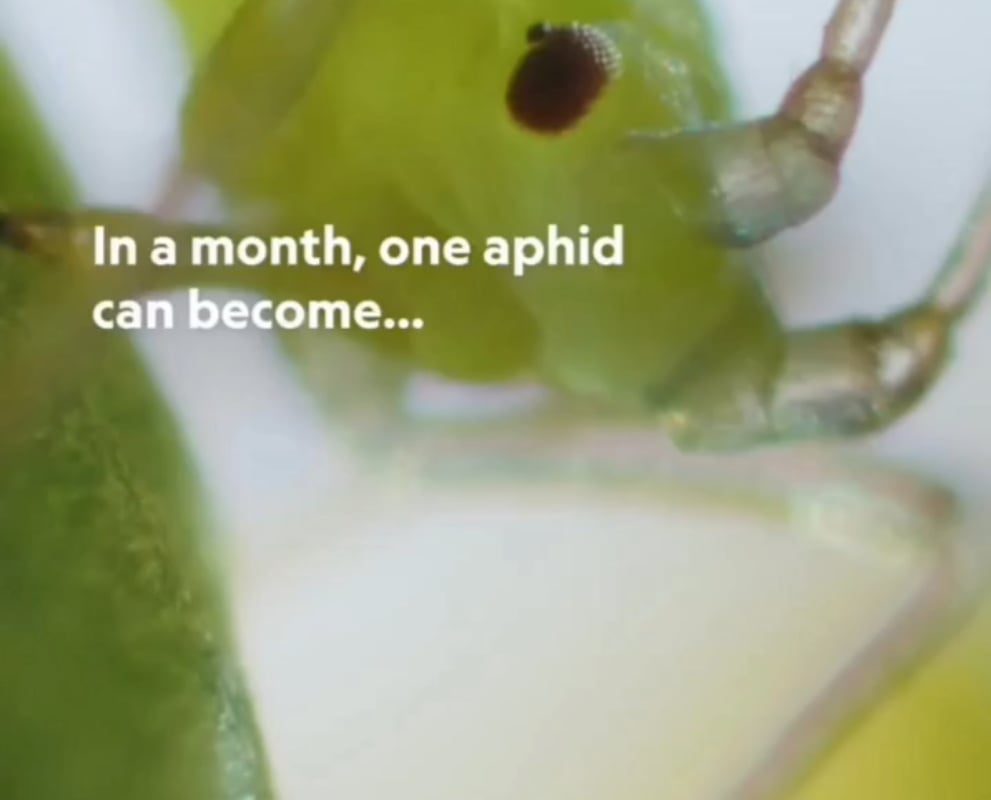
Aphids are born pregnant, welcome to the world daughter/ grand daughter.
Title: “Aphids Are Born Pregnant: The Astonishing World of Insect Generational Overdrive”
Meta Description: Discover the mind-blowing reproductive strategy of aphids—tiny insects born pregnant with their own daughters and granddaughters. Learn why this adaptation exists and how to manage them in your garden.
Aphids Are Born Pregnant: Nature’s Reproductive Marvel
Imagine being born already carrying your own daughters and grandchildren. For aphids, this sci-fi-like scenario is reality. These tiny, sap-sucking garden pests have one of the most bizarre and efficient reproductive systems in the animal kingdom—born pregnant, they kickstart generational lines in mere days. But how does this work, and why did evolution favor such a strategy? Let’s explore the jaw-dropping science behind aphid reproduction and its implications for ecosystems and gardeners.
The Science Behind “Born Pregnant”: Parthenogenesis & Viviparity
Aphids employ two biological superpowers to dominate reproduction:
- Parthenogenesis: Females clone themselves asexually—no males needed.
- Viviparity: They give live birth instead of laying eggs (most of the year).
This combo means a single aphid can theoretically produce billions of descendants in one season. Here’s how it works:
- Telescoping Generations: Female aphids develop embryos inside their bodies, and those embryos also contain developing embryos of their own. Essentially, a newborn aphid isn’t just pregnant—it’s carrying its future granddaughters.
- Rapid Life Cycles: Aphids mature in as little as 7–10 days, creating exponential population explosions.
Why Evolve Such a Strange Trait? Survival at All Costs
Aphids are soft-bodied, nutrient-rich snacks for predators like ladybugs and birds. To counter this vulnerability, they evolved hyper-speed reproduction:
- Resource Opportunism: When plants are lush (e.g., spring), aphids clone themselves nonstop to exploit abundant food.
- Adaptability: If predators or pesticides strike, quick generations allow rapid genetic adjustments.
- Seasonal Shifts: As fall approaches, some aphids finally produce males and females to lay hardy eggs for winter survival.
The Garden Nightmare: Why Aphid Pregnancies Spell Trouble
Aphids are born pregnant for one reason: domination. Their unchecked numbers devastate plants by:
- Sucking Sap: Heavy infestations weaken plants, causing yellowing leaves and stunted growth.
- Transmitting Diseases: Aphids spread viruses as they feed.
- Excreting Honeydew: This sticky waste attracts mold and ants, compounding plant stress.
Managing Aphids: Eco-Friendly Control Tips
Knowing their reproductive power, early intervention is key. Try these organic methods:
- Blast Them Off: Spray plants with water to dislodge aphids.
- Natural Predators: Introduce ladybugs, lacewings, or parasitic wasps—nature’s hitmen for aphids.
- Neem Oil or Soap Sprays: Smother aphids without harming beneficial insects.
- Companion Planting: Grow garlic, chives, or marigolds to repel aphids.
- Prune Infested Areas: Remove heavily colonized leaves or stems quickly.
Conclusion: Respect the Aphid’s Bizarre Brilliance
Aphids redefine “fast family”—born pregnant, they showcase evolution’s wild creativity. While gardeners may curse their infestations, understanding their biology helps us combat them smarter. By leveraging natural predators and organic tactics, we protect our plants without harming the ecosystem.
Next time you spot a cluster of aphids, remember: You’re not just facing one insect, but an entire dynasty unfolding in real-time.
Key Takeaways:
- Aphids can reproduce asexually and give live birth simultaneously.
- Telescoping generations mean daughters are born already pregnant.
- Act fast with eco-friendly controls to prevent explosive infestations.
Embrace nature’s quirks, and garden wisely! 🌱✨