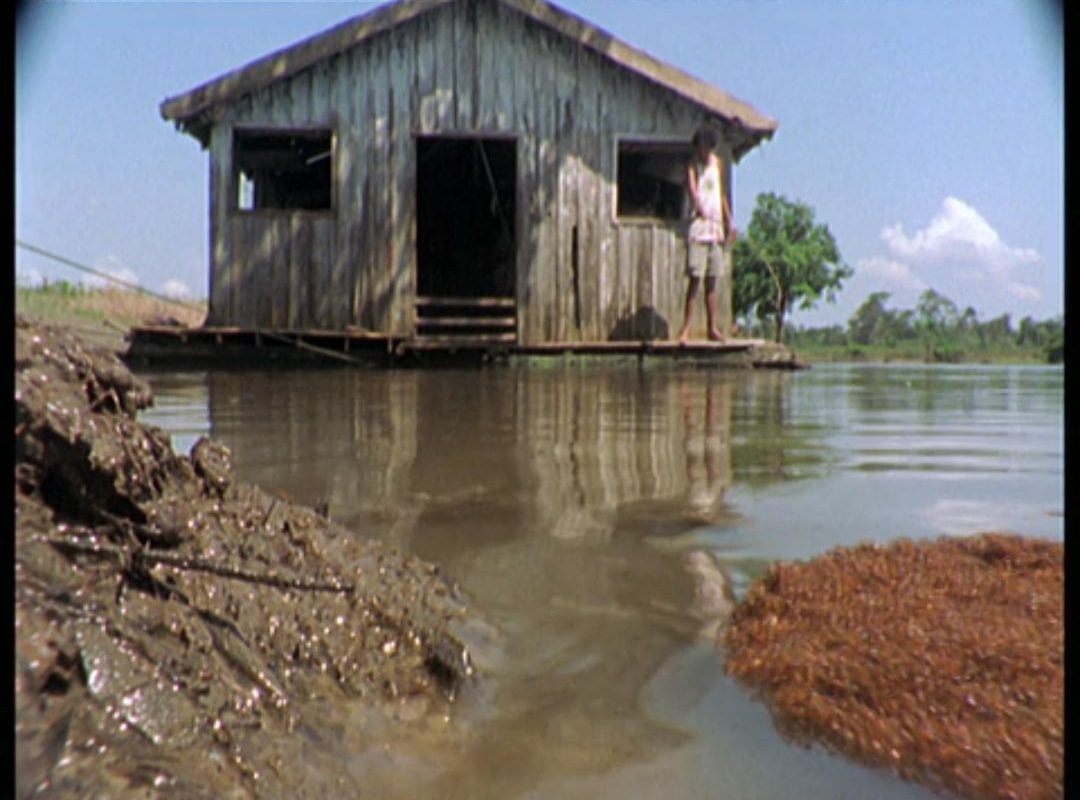
When a flood occurs, tens of thousands of fire ants come together and tangle together to form a body that floats on water.
Surviving the Deluge: The Astonishing Science of Fire Ant Rafts
Nature’s Floating Superorganism
When floodwaters rise, fire ants don’t panic—they unite. In one of nature’s most mesmerizing survival strategies, colonies of red imported fire ants (Solenopsis invicta) interlock their bodies to form living, waterproof rafts. This biological marvel enables them to float for weeks, protecting their queen and ensuring their colony’s survival. In this article, we dive into the science behind this phenomenon, its implications for ecosystems, and why it captivates scientists and nature lovers alike.
The Floating Phenomenon: How Fire Ants Build Living Rafts
Fire ants, native to South America and now invasive in regions like the southern U.S., face frequent flooding in their low-lying habitats. When water submerges their nests, thousands of worker ants spring into action:
- Collective Coordination: Within minutes, the ants link together using their mandibles, claws, and adhesive foot pads.
- Hydrophobic Armor: Their exoskeletons repel water, trapping air bubbles and creating buoyancy.
- Evolving Structure: The raft reconfigures dynamically, with ants cycling from the submerged base to the dry top layer to avoid exhaustion.
The result? A buoyant, pancake-shaped structure strong enough to carry larvae, pupae, and the queen at its core—a living lifeboat that can drift for miles.
The Science Behind the Raft’s Resilience
Researchers at Georgia Tech discovered fire ant rafts leverage the same principles as advanced materials:
- Water-Repelling Exoskeletons: Each ant’s waxy coating traps air, amplifying buoyancy when clustered.
- Self-Healing Design: If the raft tears, ants instantly mend gaps by rearranging themselves.
- Strength in Numbers: Rafts can span up to 20 cm (~8 inches) and support colonies of 100,000+ ants—defying the limits of individual size.
In lab experiments, these rafts survived storms, turbulent water, and even direct impacts, showcasing nature’s engineering genius.
Survival Tactics: Why This Matters in the Wild
Fire ant rafts aren’t just a curiosity—they’re key to the species’ dominance as an invasive pest:
- Longevity: Colonies can float for 12+ days until reaching dry land, where they rapidly rebuild.
- Predator Deterrence: Their venomous stings deter fish and birds, preventing attacks mid-flood.
- Ecosystem Impact: Post-flood, surviving colonies disrupt local biodiversity by outcompeting native species.
However, this adaptability poses risks. In flood-prone areas like Houston after Hurricane Harvey, fire ant rafts descended on homes, parks, and rescue workers, delivering painful stings.
Lessons from Nature’s Engineers
The fire ant raft phenomenon inspires breakthroughs in robotics, materials science, and disaster response:
- Swarm Robotics: Scientists mimic ant cooperation to design self-assembling robots for search-and-rescue missions.
- Waterproof Materials: Research on the ants’ hydrophobic properties informs coatings for ships or flood barriers.
- Collaborative AI: Algorithms modeled on ant behavior optimize logistics and crowd control systems.
As climate change intensifies flooding, understanding such adaptations grows ever more critical.
Fun Facts About Fire Ant Rafts
- Speed: A raft forms in under 2 minutes—faster than humans can build most shelters.
- Human Footstep Test: In studies, rafts survived compression equal to a person stepping on them.
- Efficiency: Ants at the raft’s bottom don’t drown—air pockets keep them alive temporarily.
Precautions During Floods
If you encounter a fire ant raft:
- Don’t Touch: Disturbing it triggers mass stinging.
- Use Barriers: Spraying diluted dish soap breaks their waterproofing, sinking the raft.
- Protect Pets: Keep animals away to avoid toxic stings.
Conclusion: A Masterclass in Adaptation
Fire ants teach us that survival isn’t about individual strength—it’s about collective brilliance. Their rafts exemplify nature’s ability to turn catastrophe into continuity, blending physics, chemistry, and teamwork. As floods become more frequent, studying these tiny engineers could unlock life-saving innovations for humanity.
Meta Description: Discover how fire ants form floating rafts during floods—nature’s liferaft built from thousands of ants. Explore the science, survival tactics, and human impacts of this phenomenon.
Keywords: Fire ant raft, floating ant colony, fire ants and floods, nature survival strategies, Solenopsis invicta, hydrophobic ants, swarm behavior, invasive species.
FAQ Section for Featured Snippets
Q: How long can fire ant rafts stay afloat?
A: Up to 12 days, depending on conditions.
Q: Why don’t fire ants drown in rafts?
A: Their waterproof exoskeletons trap air bubbles, providing oxygen and buoyancy.
Q: Can fire ant rafts harm humans?
A: Yes—contact triggers aggressive stinging. Avoid and report them to pest control.