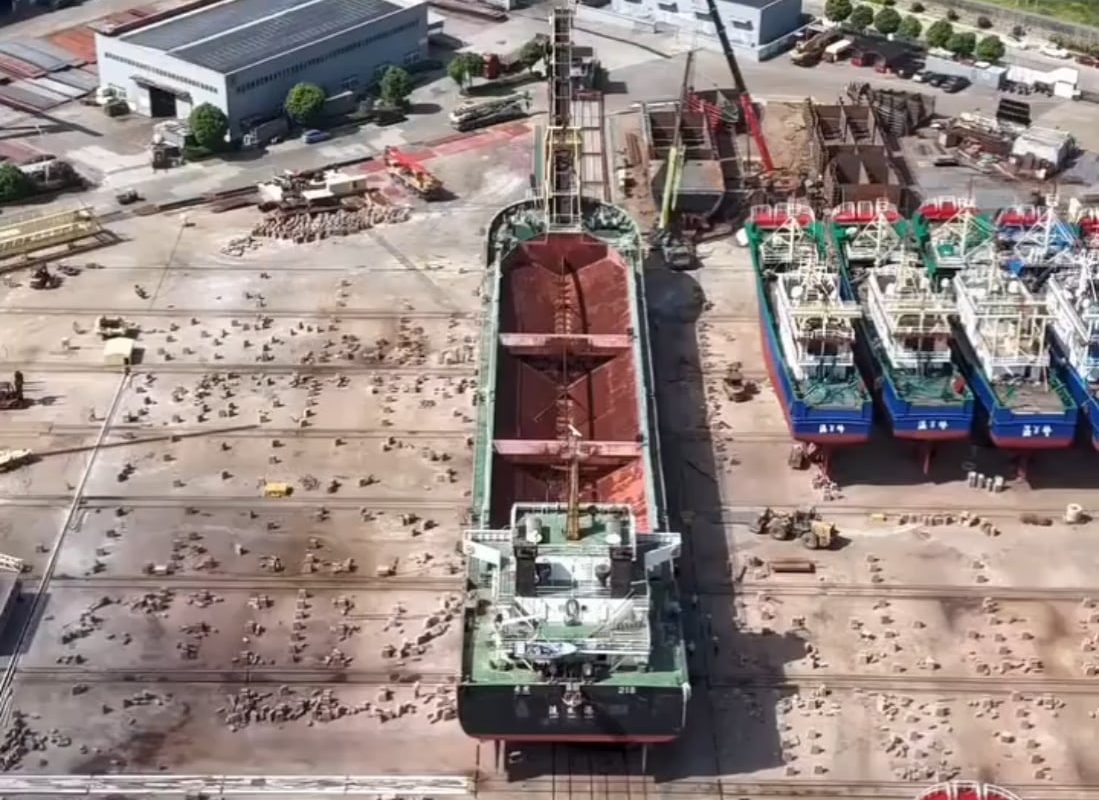
Ship taken into the Drydock, so slick af
Title: Ship Taken into the Drydock, So Slick AF: The Art of Effortless Drydocking
Introduction
Drydocking a ship isn’t just routine maintenance—it’s a high-stakes ballet of precision, engineering, and logistics. When done right, this process flows as smoothly as oil on water, earning its reputation for being “slick AF.” Whether it’s a colossal cargo vessel, a luxury cruise liner, or a naval warship, the act of taking a ship into a drydock demands meticulous planning, cutting-edge technology, and seasoned expertise. In this article, we’ll break down what makes a drydocking operation so impressively seamless and why it’s critical to a ship’s lifespan and performance.
What Is Drydocking?
Drydocking refers to moving a vessel into a specialized facility (a drydock) where it’s lifted out of the water for inspection, repairs, and maintenance. This allows ship crews and engineers to access submerged parts like the hull, propeller, rudder, and sea valves—areas impossible to service while the ship is afloat. A smooth drydocking process isn’t just impressive to watch; it prevents costly delays, ensures safety, and maximizes operational efficiency.
How a Ship Enters the Drydock (So Slick AF)
Step 1: Preparation
Before a ship even approaches the drydock, engineers flush out ballast tanks to balance its weight. Advanced software simulates the ship’s center of gravity and optimal positioning, ensuring it aligns perfectly with the keel blocks (reinforced supports inside the dock).
Step 2: Guiding the Vessel In
Using tugboats and precision ship-positioning systems, the vessel glides into the drydock like a perfectly choreographed maneuver. The drydock gates close, and water is pumped out in stages. Sensors and automated systems adjust the ship’s position millimeter by millimeter to avoid tilting or instability.
Step 3: Hull Inspection & Maintenance
Once drained, the ship rests securely on the blocks. Now begins the “slick” part:
- High-Pressure Washing: Removes marine growth, rust, and old paint.
- Non-Destructive Testing (NDT): Uses ultrasound and X-rays to detect cracks or corrosion.
- Propeller & Rudder Checks: Optimized for fuel efficiency and performance.
- Paint/Coating Application: Eco-friendly, anti-fouling coatings are reapplied to prevent future biofouling.
Step 4: The Exit Strategy
After repairs, the dock is reflooded. The ship rises buoyantly, clears the blocks, and is towed out for sea trials. Minimal downtime, zero drama—just results.
Why Modern Drydocking Is “Slick AF”
- Precision Tech:
- Laser-guided alignment systems.
- AI-driven predictive maintenance tools.
- Automated Efficiency:
- Robotic cleaners and drones for hull inspections.
- Real-time data tracking reduces human error.
- Eco-Friendly Innovations:
- Sludge-free paint removal and water recycling systems.
- Low-VOC coatings protect marine ecosystems.
Challenges & How to Stay Slick
Even the smoothest operations face risks:
- Ship Stability: Incorrect ballasting can create imbalance.
Solution: Use dynamic stability modeling. - Weather Delays: Storms disrupt schedules.
Solution: Plan drydocks during favorable seasons. - Supply Chain Snags: Parts shortages stall projects.
Solution: Stock critical components in advance.
The Cost of Slickness: Worth Every Penny
A flawlessly executed drydock avoids:
- Downtime Costs: Up to $100k/day for large ships.
- Accidents: Misalignment can damage hulls or dock infrastructure.
- Poor Reputation: A botched job scares off future clients.
Conclusion: Master the Slick AF Drydock
Taking a ship into the drydock is no small feat—but with meticulous planning, tech-driven precision, and expert teamwork, it can be as smooth as silk (or, as the internet says, slick AF). Whether for repairs, upgrades, or regulatory surveys, a slick drydocking operation ensures vessels sail safer, cleaner, and more efficiently for decades.
Pro Tip: Partner with drydock facilities that prioritize transparency, tech integration, and rapid turnaround to keep your fleet in peak condition.
FAQs: Drydocking Demystified
Q: How often do ships need drydocking?
A: Typically every 2.5–5 years, per class society regulations (e.g., IACS).
Q: How long does a drydock take?
A: 10–30 days, depending on the scope of work.
Q: Can ships be upgraded during drydock?
A: Absolutely! Many owners install energy-saving tech (e.g., air lubrication systems) during this time.
Q: What’s the biggest ship ever drydocked?
A: The USS Gerald R. Ford (1,106 ft long!) underwent drydocking in Newport News, VA—a feat of modern engineering.
Master the art of smooth operations. Your ship deserves nothing less. 🚢✨
Target Keywords:
- Ship taken into the drydock slick af
- Smooth drydocking process
- How drydock works
- Ship maintenance drydock
- Effortless drydocking
- Modern drydock technology