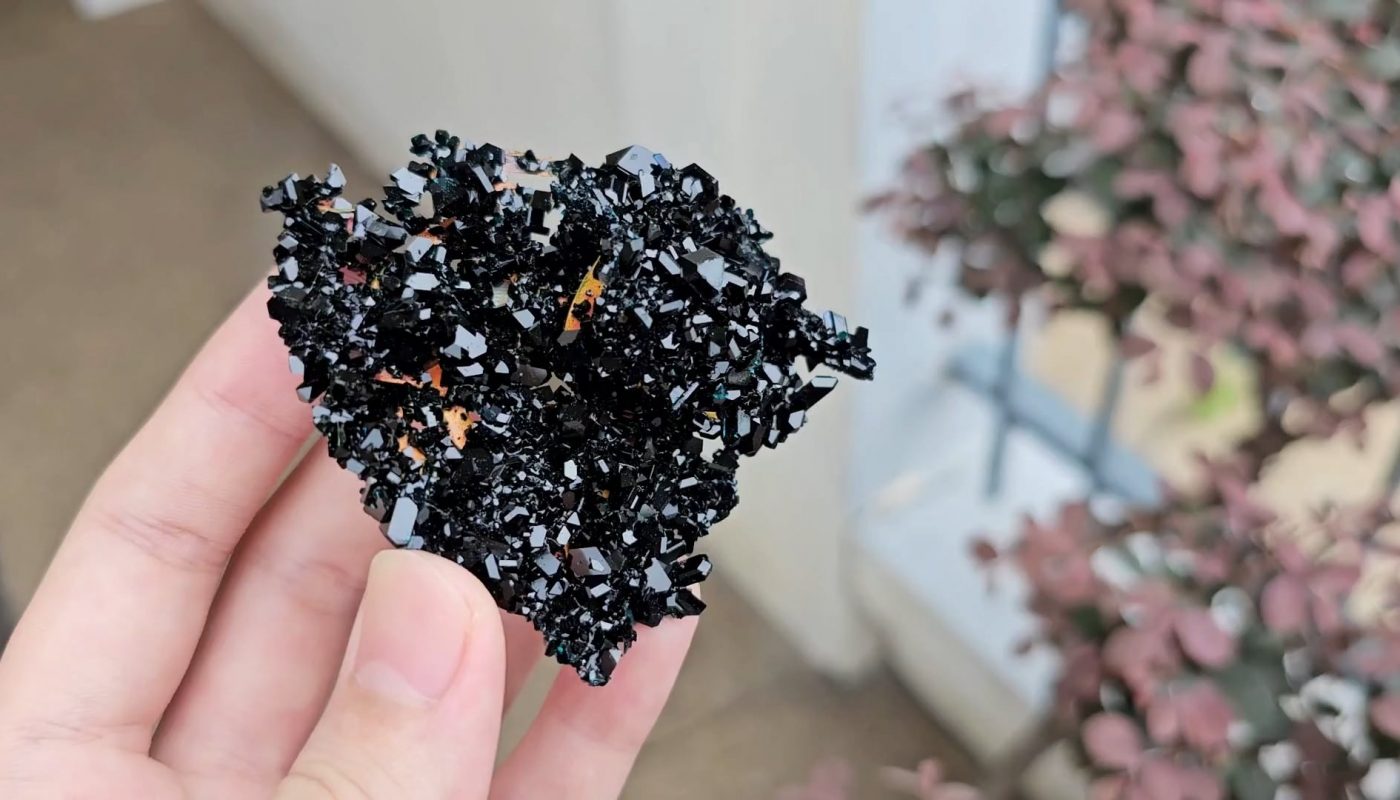
Cluster of copper acetate formed on a piece of copper.
Understanding Copper Acetate Clusters: Formation, Effects, and Solutions
Copper’s warm reddish hue makes it a popular choice for cookware, décor, jewelry, and industrial applications. But over time, you might notice striking blue or green crystalline clusters forming on its surface. These clusters, known as copper acetate, are both a chemical marvel and a practical concern. In this article, we’ll explore how these clusters form, their implications, and how to manage them—whether you want to remove them or embrace their unique beauty.
What Are Copper Acetate Clusters?
Copper acetate (chemical formula Cu(CH₃COO)₂) is a compound that forms when copper reacts with acetic acid (found in vinegar, wine, or acidic foods) in the presence of oxygen. The result is a vibrant blue-green crystalline deposit, often referred to as verdigris—though true verdigris is a broader term for copper-based patinas. These clusters can appear as powdery residue, jagged crystals, or a flat turquoise coating, depending on environmental conditions.
The Science Behind the Formation
The creation of copper acetate clusters involves a redox (reduction-oxidation) reaction:
- Acetic Acid Exposure: When copper comes into contact with acetic acid (e.g., from vinegar spills or humid kitchens), copper atoms lose electrons (oxidation).
- Oxygen’s Role: Oxygen from the air reacts with the freed electrons and hydrogen ions from the acid, forming water.
- Cluster Growth: Over time, dissolved copper ions bond with acetate ions, creating solid copper acetate crystals.
Simplified Reaction:
2Cu + 4CH₃COOH + O₂ → 2Cu(CH₃COO)₂ + 2H₂O
Why the Color?
The blue-green hue comes from the unique way copper ions absorb and reflect light. Variations in crystal size, hydration, and impurities can shift the color from azure blue to emerald green.
Are Copper Acetate Clusters Harmful?
While aesthetically intriguing, copper acetate has practical drawbacks:
- Toxicity: Ingesting large amounts can be harmful. Avoid using copper cookware with visible acetate clusters for food preparation.
- Corrosion: Though superficial at first, prolonged exposure weakens copper over time, leading to pitting or structural damage.
- Staining: The crystals can transfer color to skin, fabrics, or adjacent surfaces.
How to Remove Copper Acetate Clusters
If you’d prefer to restore your copper’s original shine, follow these safe removal methods:
1. Mechanical Cleaning
- Gently scrub clusters with a soft brush (e.g., toothbrush) or cloth.
- Avoid abrasive pads or steel wool, which can scratch the copper.
2. Acidic Solutions
- Soak a cloth in lemon juice or diluted vinegar and rub affected areas.
- Rinse thoroughly with water to halt further reactions.
3. Baking Soda Paste
- Mix baking soda and water into a paste. Apply, let sit for 5-10 minutes, then scrub and rinse.
- This neutralizes residual acids and polishes the surface.
4. Commercial Cleaners
- Use copper-specific cleaners (e.g., Wright’s Copper Cream) for stubborn deposits.
Preventing Copper Acetate Formation
Protect your copper items with these proactive measures:
- Coatings: Apply lacquer or wax to create a barrier against moisture and acids.
- Drying: Dry copper thoroughly after washing or exposure to liquids.
- Storage: Keep copper in low-humidity environments away from acidic substances (e.g., citrus, vinegar).
- Regular Polishing: Buffing removes early-stage tarnish before clusters form.
Creative Uses for Copper Acetate
For artists and crafters, copper acetate isn’t a nuisance—it’s a tool!
- Pigments: Historically used in dyes and paints for its vibrant color.
- Jewelry: Some designers intentionally encourage acetate formation for rustic, patinaed finishes.
- Education: Crystal clusters serve as engaging chemistry demos for redox reactions.
Key Takeaways
- Copper acetate clusters are blue-green crystals formed by reactions between copper, acetic acid, and oxygen.
- While non-structural corrosion is common, clusters can damage copper if left unchecked.
- Remove them with mild acids or polishing—or embrace them for artistic purposes.
By understanding the science behind copper acetate, you can decide whether to fight the patina or let it tell a story of age and transformation!
Target Keywords: copper acetate clusters, verdigris on copper, cleaning copper corrosion, copper acetate formation, patina removal, copper toxicity, copper acetate uses.
SEO Meta Description: Discover why blue-green copper acetate clusters form on copper, how to safely remove them, and creative ways to use their vibrant patina. Learn prevention tips and science-backed insights!