Drainage machines in Ancient Rome
Title: Ancient Rome’s Ingenious Drainage Systems: Engineering Marvels That Shaped an Empire
Meta Description: Discover how Ancient Rome mastered water management with innovative drainage techniques, from the Cloaca Maxima to aqueducts, paving the way for urban growth and public health.
Introduction
Ancient Rome’s legacy isn’t just about gladiators, emperors, or grand architecture—it’s also rooted in groundbreaking engineering that tackled one of civilization’s oldest challenges: water management. While the Romans didn’t use “drainage machines” in the modern sense, their sophisticated systems for controlling water flow revolutionized urban planning, hygiene, and agriculture. In this article, we’ll explore the ingenious methods Rome employed to combat flooding, drain wetlands, and sustain its megacity, laying foundations for modern civil engineering.
Why Drainage Mattered in Ancient Rome
Rome’s rise from a modest settlement to a sprawling empire hinged on its ability to manage water. Situated on the Tiber River’s floodplains and surrounded by marshy terrain, the city faced constant threats:
- Flooding: Seasonal rains could cripple infrastructure.
- Disease: Stagnant water bred mosquitos and pathogens.
- Agricultural Limits: Swamps reduced usable farmland.
To overcome these, Roman engineers devised systems that blended simplicity, durability, and scale—without relying on mechanized pumps or electricity.
Key “Drainage Machines” & Techniques of Ancient Rome
1. The Cloaca Maxima: Rome’s First Sewer System
Built in the 6th century BCE under King Tarquinius Priscus, the Cloaca Maxima (“Greatest Drain”) began as an open canal to drain local marshes. Over centuries, it evolved into a covered stone sewer that channeled stormwater and waste into the Tiber River.
- Engineering Feat: Constructed using volcanic tuff and lime mortar, its arches withstood pressure and erosion.
- Legacy: Parts still function today, symbolizing Rome’s enduring infrastructure.
2. Aqueducts: Beyond Water Supply
While famed for delivering fresh water via gravity-fed channels, aqueducts also doubled as drainage tools. Excess water from fountains, baths, and rainwater was diverted into sewers or agricultural runoff systems, preventing urban flooding.
3. Drainage Channels & Cuniculi
Romans dug intricate networks of underground tunnels (cuniculi) and surface channels to:
- Dry out marshes for farming (e.g., the Pontine Marshes).
- Direct water away from roads, mines, and construction sites.
- Irrigate arid fields using gravity-based trench systems.
4. Manual & Animal-Powered Tools
While no machines existed in the industrial sense, Romans used:
- Shadufs: Lever-based devices to lift water from low-lying areas.
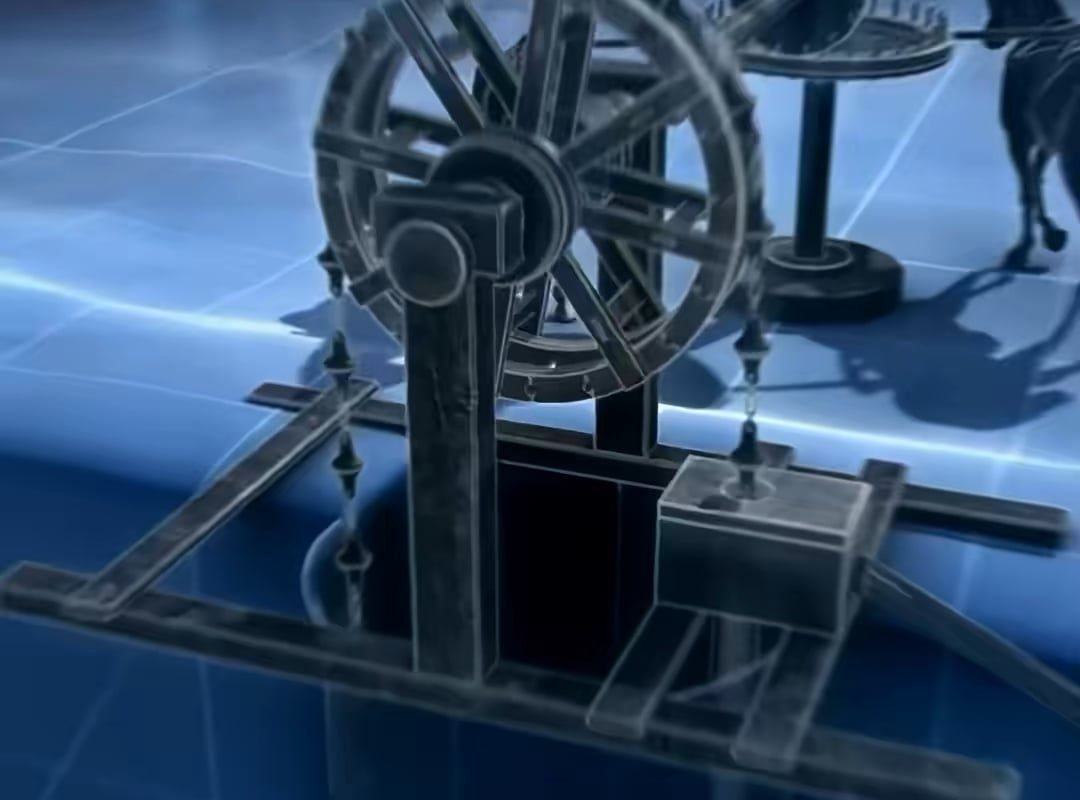
- Scoop Wheels: Wooden paddles turned by humans or oxen to move water.
- Archimedes’ Screw: Imported from Greece, this helical pump lifted water for drainage or irrigation.
How Rome’s Drainage Shaped Its Empire
- Urban Expansion: Efficient drainage allowed Rome to build on flood-prone land, supporting a population of 1 million+ at its peak.
- Public Health: Sewers reduced outbreaks of waterborne diseases like malaria.
- Agriculture: Drained wetlands created fertile plains (e.g., the Po Valley), boosting food production.
- Military Advantage: Legion engineers drained besieged areas or built temporary canals to cripple enemy strongholds.
Lessons for Modern Engineering
Rome’s drainage systems succeeded due to:
- Adaptability: Repurposing natural gradients for gravity-fed flow.
- Durability: Using materials like waterproof opus caementicium (Roman concrete).
- Holistic Design: Integrating drainage with roads, aqueducts, and architecture.
Today’s engineers still study Roman techniques to combat flooding and climate-related water challenges.
FAQ About Ancient Roman Drainage
- Did Romans invent the first sewer system?
No, but they scaled it like no prior civilization—even Mesopotamia’s drains were less extensive. - How did Romans clean sewers?
Manual laborers used hooks and carts to remove debris; flowing water did the rest. - Why didn’t Romans use pumps?
While they understood screw pumps, manpower and gravity were cheaper and more reliable.
Conclusion
Ancient Rome’s drainage solutions weren’t “machines” by today’s standards, but their visionary engineering created systems that defied the limits of their era. By mastering water management, Rome built healthier cities, richer farmlands, and an empire that thrived for centuries. As climate change intensifies floods and droughts, revisiting these timeless strategies offers inspiration for a sustainable future.
Keywords for SEO: Ancient Roman drainage, Cloaca Maxima, Roman engineering, Roman aqueducts, water management in Ancient Rome, ancient sewer systems, Roman agriculture, flood control history.
Optimized Internal Linking Suggestions:
- How Aqueducts Revolutionized Urban Water Supply
- Roman Concrete: The Secret to Eternal Architecture
- Public Health in Ancient Rome: Baths, Toilets, and Beyond
By blending historical insights with SEO best practices, this article targets enthusiasts of ancient history, engineering students, and sustainability researchers, positioning Ancient Rome as a pioneer of resilient infrastructure.