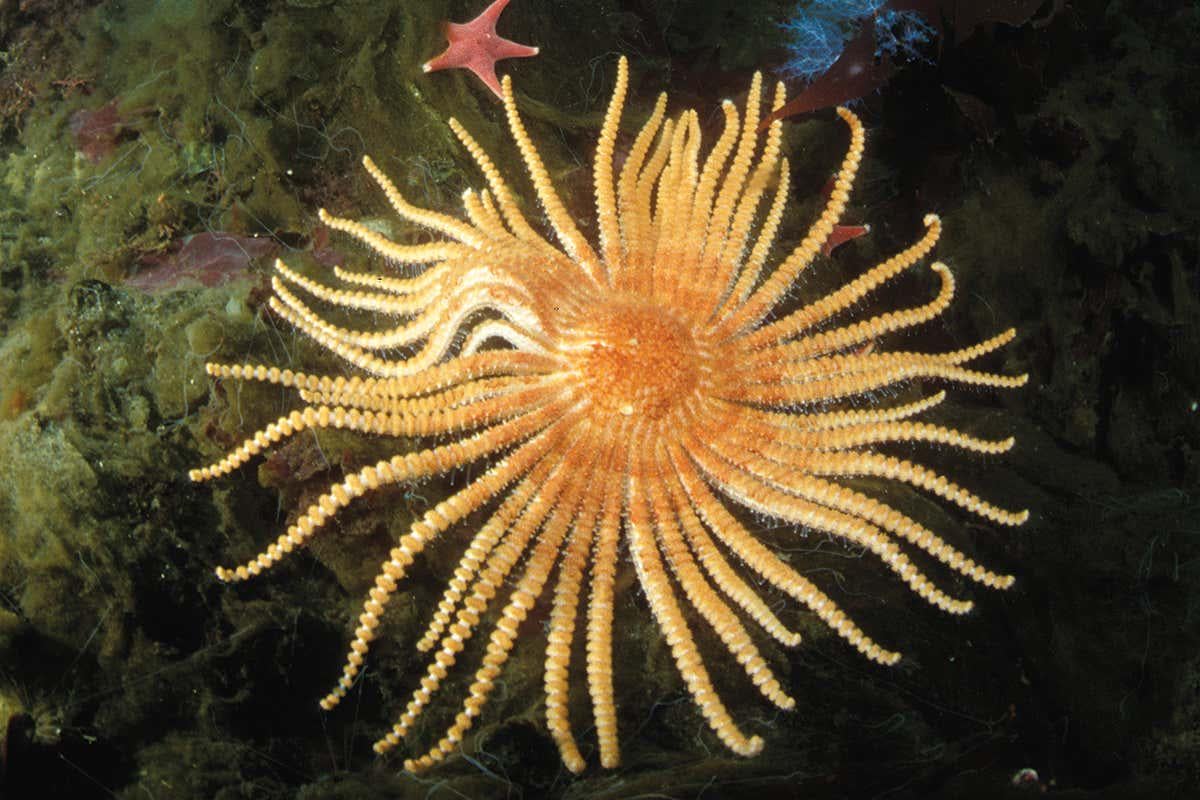
This is a starfish found in Antartica !
Title: Discover the Fascinating Starfish of Antarctica: Surviving in Earth’s Icy Depths
Meta Description: Dive into the mysterious world of Antarctic starfish! Explore their unique adaptations, ecological roles, and how they thrive in one of Earth’s harshest environments.
Hidden Wonders of Antarctica: Meet the Starfish of the Frozen Sea
Antarctica, the southernmost continent, is a realm of extremes — icy landscapes, sub-zero temperatures, and vast, untouched wilderness. Yet beneath its frigid waters lies a thriving ecosystem teeming with life, including some of the most resilient and intriguing creatures on Earth: Antarctic starfish. Often overlooked in favor of penguins and seals, these marine invertebrates are marvels of adaptation. Let’s uncover the secrets of starfish thriving in Antarctica’s mysterious depths.
What Makes Antarctic Starfish Unique?
Starfish, also known as sea stars, belong to the class Asteroidea. While over 2,000 species exist globally, those inhabiting Antarctica have evolved remarkable traits to withstand polar conditions:
-
Cold-Adapted Physiology:
Antarctic starfish possess specialized proteins that prevent their cells from freezing. Some species can survive temperatures as low as -2°C (28°F) — a feat impossible for most marine animals. -
Slow Metabolism:
To conserve energy in nutrient-scarce waters, Antarctic starfish exhibit extremely slow metabolic rates. This allows them to survive long periods without food, making them masters of endurance. -
Unique Feeding Strategies:
Many species are opportunistic feeders, preying on slow-moving creatures like sea urchins, sponges, or even carcasses. Their ability to extrude their stomachs to digest prey externally is a survival superpower in this harsh setting. -
Longevity:
Some Antarctic species live for decades, growing slowly but steadily in the cold, stable environment.
Iconic Antarctic Starfish Species
While several starfish inhabit Antarctic waters, a few stand out for their ecological significance:
-
Odontaster validus:
Nicknamed the “Antarctic cushion star,” this bright orange-red species dominates the seabed. It plays a key role as both predator and scavenger, maintaining balance in benthic ecosystems. -
Labidiaster annulatus:
A giant among Antarctic starfish, this multi-armed predator uses its spiny limbs to snatch krill and small fish from the water column. -
Acodontaster conspicuus:
Recognized by its striking spines, this starfish feeds on immobile prey like bryozoans and sponges, showcasing the diversity of Antarctic diets.
How Starfish Shape Antarctica’s Marine Ecosystem
Starfish are vital to the health of Antarctica’s ocean floors:
-
Biodiversity Engineers:
Their feeding habits control populations of other invertebrates, preventing any single species from dominating the ecosystem. -
Nutrient Recyclers:
By consuming dead organisms, starfish help decompose organic matter and return nutrients to the food web. -
Prey for Larger Species:
Starfish serve as food for fish, seabirds, and even other starfish, forming a critical link in polar food chains.
Surviving Climate Change: Threats to Antarctic Starfish
Antarctica’s waters are warming faster than almost anywhere on Earth, posing risks to starfish adapted to stable, icy conditions:
- Ocean Acidification:
Rising CO₂ levels weaken starfish larvae’s ability to form calcium carbonate skeletons, threatening future generations. - Habitat Disruption:
Melting ice alters salinity and currents, potentially displacing species reliant on specific microhabitats. - Invasive Species:
Warmer waters could allow non-native predators or competitors to invade Antarctic ecosystems.
Conservation efforts, including marine protected areas (MPAs) and climate action, are crucial to safeguarding these cold-water champions.
FAQs About Antarctic Starfish
Q: Can starfish really survive freezing temperatures?
A: Yes! Antarctic species produce antifreeze proteins that inhibit ice crystal formation in their tissues.
Q: How deep do these starfish live?
A: Some thrive in shallow coastal waters, while others dwell over 1,000 meters deep in complete darkness.
Q: Are Antarctic starfish dangerous to humans?
A: No—they lack venom or mechanisms to harm humans. However, they’re protected, and touching them is discouraged to preserve fragile ecosystems.
Conclusion: Guardians of the Polar Deep
Antarctica’s starfish are more than just survivors — they’re pillars of an ecosystem that thrives against the odds. Their resilience highlights the beauty and fragility of Earth’s polar regions. As climate change looms, understanding and protecting these creatures becomes a mission for us all.
Explore Further: Learn how scientists study starfish in Antarctica through underwater robotics and icebreaker expeditions. Or dive deeper into related topics like Antarctic krill or global marine conservation efforts!
Word Count: ~650 words
SEO Keywords: Antarctic starfish, sea stars in Antarctica, Odontaster validus, polar marine life, Antarctic ecosystem, climate change Antarctica, cold-adapted marine species
Optimization Tips:
- Use high-quality images of Antarctic starfish (ensure alt-text includes keywords).
- Link to reputable sources like the British Antarctic Survey or NOAA.
- Target long-tail keywords like “starfish adaptations to cold” or “Antarctic marine biodiversity.”