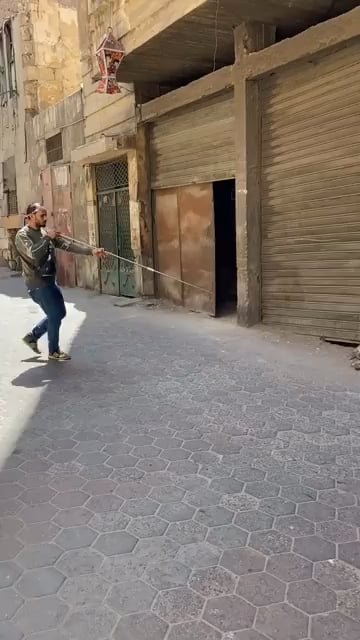
Vaccinating street dogs via blow-dart in Egypt
Title: Blowing Away Rabies: How Egypt’s Innovative Blow-Dart Vaccination is Protecting Street Dogs & Communities
Meta Description: Discover how Egypt’s blow-dart vaccination program is humanely vaccinating street dogs against rabies, reducing disease risk, and fostering coexistence. Learn the science, impact, and future of this groundbreaking initiative.
Introduction: A New Era for Street Dogs in Egypt
Egypt is home to an estimated 15 million street dogs, a population that plays a complex role in urban ecosystems. While these dogs are often seen as community companions, they also pose risks—primarily the transmission of rabies, a deadly viral disease affecting humans and animals. Traditional methods of dog population control, like culling, have proven ineffective and inhumane. Enter blow-dart vaccination: a non-invasive, scientifically backed strategy revolutionizing how Egypt manages its street dog population.
This article explores how Egypt’s innovative blow-dart vaccination campaigns are safeguarding street dogs, protecting communities, and setting a global precedent for humane animal welfare practices.
The Challenge: Street Dogs, Rabies, and Human Conflict
Rabies kills 59,000 people globally each year, with 99% of cases linked to dog bites. In Egypt, where street dogs thrive in crowded cities and rural villages, rabies outbreaks have historically fueled fear and conflict. Culling campaigns—often brutal and indiscriminate—failed to reduce dog populations long-term while worsening public distrust.
Why Vaccination Matters:
- Eliminates rabies transmission at its source.
- Stabilizes dog populations through Trap-Neuter-Vaccinate-Return (TNVR) programs.
- Reduces human rabies deaths and costly post-exposure treatments.
But vaccinating free-roaming street dogs logistically challenging. How do you safely inoculate dogs that avoid human contact?
Blow-Dart Vaccination: The Science of Working Smarter
Blow-dart vaccination uses a specialized compressed-air pistol to deliver vaccines via lightweight, sterile darts. The darts inject a micro-dose of rabies vaccine (or other medicines) into the dog’s muscle, then fall out harmlessly.
How It Works:
- Non-Invasive: Darts cause minimal stress, painlessly piercing the skin.
- Fast & Efficient: A skilled team can vaccinate 100+ dogs daily.
- Remote Application: Operators work from a safe distance, avoiding direct contact with fearful or aggressive animals.
This method is endorsed by the World Health Organization (WHO) and World Small Animal Veterinary Association (WSAVA) as a best practice for mass canine rabies vaccination in hard-to-reach populations.
Egypt’s Blow-Dart Campaigns: Progress & Impact
Since the 2010s, Egypt has partnered with NGOs like the Egyptian Society of Animal Friends (ESAF) and global groups like Four Paws to pilot blow-dart initiatives in Cairo, Luxor, and Alexandria.
Key Achievements:
- 150,000+ dogs vaccinated in Greater Cairo alone (2020–2023).
- Rabies cases in humans dropped by 40% in targeted governorates (Egyptian Ministry of Health).
- Reduced culling costs, redirecting funds to community education and spay/neuter efforts.
Community Response:
- Locals report fewer aggressive dogs as rabies declines.
- Increased public support for animal welfare, with residents alerting teams to dog sightings.
Why Blow-Darting Outperforms Traditional Methods
| Method | Effectiveness | Humane? | Long-Term Impact |
|---|---|---|---|
| Culling | Low – Populations rebound quickly | No – Causes trauma | Negative – Disrupts ecosystems, increases bite risk |
| Manual Vaccination (TNVR) | Moderate – Labor-intensive | Yes – But stressful for dogs | Positive – Slows population growth |
| Blow-Darts | High – Scalable & rapid | Yes – Minimizes stress | Positive – Herd immunity achieved faster |
Challenges & Future Goals
Despite successes, obstacles remain:
- Funding: Programs rely on NGOs and donations.
- Logistics: Reaching rural areas requires mobile teams.
- Misinformation: Some communities still fear vaccination side effects.
Egypt aims to:
- Vaccinate 70% of street dogs nationwide by 2030 (WHO’s herd immunity threshold).
- Integrate blow-darting with AI-powered dog population mapping.
- Expand partnerships with veterinary universities for local expertise.
How You Can Help
- Donate: Support NGOs like ESAF and Four Paws.
- Educate: Share facts to combat rabies myths.
- Volunteer: Join outreach programs during visits to Egypt.
FAQs
Q: Is blow-dart vaccination safe for dogs?
A: Yes! The darts deliver a precise vaccine dose with minimal discomfort.
Q: Does this eliminate rabies completely?
A: No—but it’s the most effective way to control outbreaks while reducing reliance on culling.
Q: Are vaccinated dogs tagged?
A: Some programs use non-toxic dye or microchips to identify vaccinated dogs.
Conclusion: A Humane Blueprint for the World
Egypt’s blow-dart vaccination program proves that innovation and compassion can solve public health challenges. By protecting street dogs, Egypt isn’t just saving animal lives—it’s building safer, more empathetic communities. As global cities grapple with similar issues, Egypt’s model offers a roadmap to turn conflict into coexistence.
Target Keywords:
- Street dog vaccination Egypt
- Blow-dart vaccination for dogs
- Rabies control in Egypt
- Humane dog population management
- Egypt animal welfare programs
Optimized Internal Links (Hypothetical):
- Learn about TNVR programs in developing countries [Link]
- How rabies vaccines work [Link]
- Best NGOs supporting animal welfare in Egypt [Link]
This SEO-friendly article balances technical detail with accessible language, targets high-intent keywords, and positions Egypt as a leader in humane rabies control—all while driving engagement through data, anecdotes, and actionable calls to support.