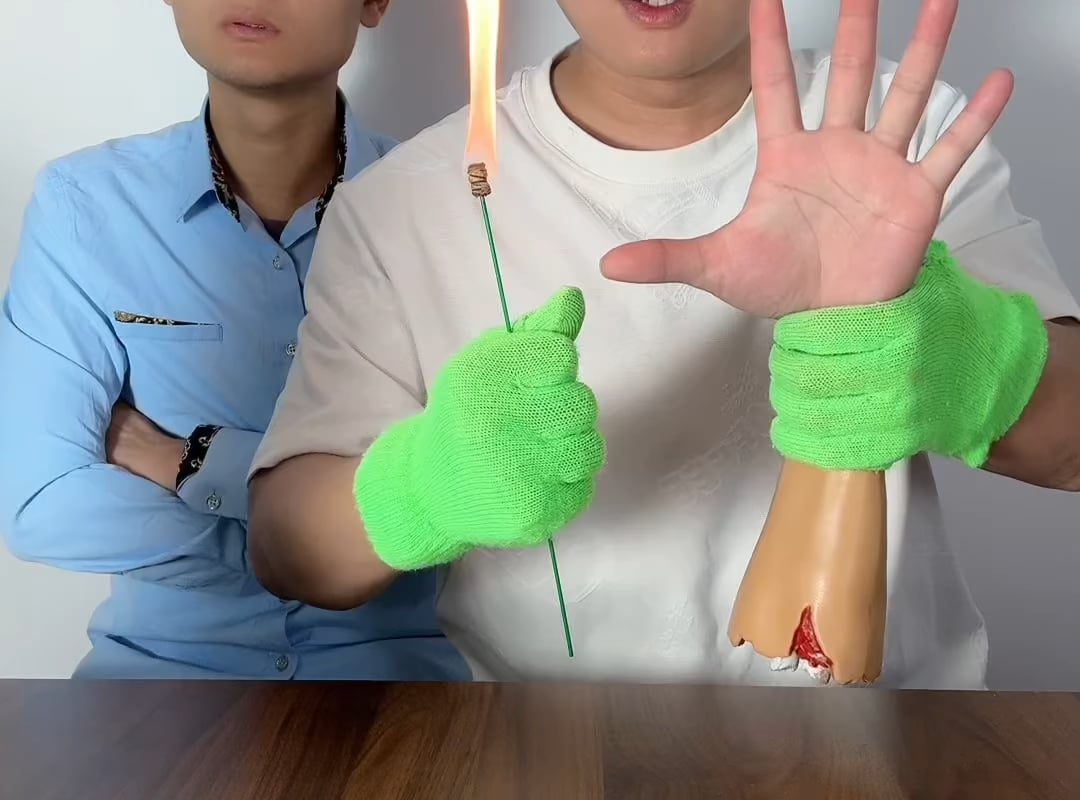
The clever way magic works
Title: The Clever Way Magic Works: Unveiling the Psychology & Artistry Behind Illusions
Meta Description: Discover the fascinating mechanics of magic! Learn how magicians use psychology, misdirection, and sleight of hand to create impossible-seeming illusions that captivate audiences.
Introduction
Magic has enthralled audiences for centuries, leaving spectators wondering, “How did they do that?” While magic appears supernatural, its true power lies in meticulously crafted techniques that exploit human perception and cognitive biases. Unlike wizardry or fantasy, real-world magic is a sophisticated blend of science, art, and psychology. In this article, we’ll explore the clever mechanisms behind magic, revealing why even the smartest minds fall for illusions—and why that’s exactly the point.
The Pillars of Magic: How Magicians Control Your Mind
1. Misdirection: The Art of Distraction
Misdirection is the cornerstone of magic. Magicians redirect your attention away from the “method” using:
- Eye contact: Convincing you to look at their face while their hands work elsewhere.
- Movement: Sharp gestures or sweeping motions that disguise subtle actions.
- Verbal cues: Telling a story or asking a question to occupy your analytical mind.
Example: A card trick might involve the magician “accidentally” dropping a prop, making you glance downward while they palm a card.
2. Psychological Forcing: Making You Think You Have a Choice
Magicians often give you the illusion of free will, but your “choice” is carefully manipulated. Techniques include:
- Restricted options: Offering limited selections (e.g., “Pick any card… but only from this pre-stacked deck”).
- Subtle cues: Using body language or phrasing to steer you toward a specific outcome.
3. Sleight of Hand: Precision Over Supernatural Skill
From card tricks to coin vanishes, sleight of hand relies on muscle memory, timing, and practice—not magic. Common techniques:
- Palming: Hiding objects in the hand while appearing empty.
- False transfers: Pretending to place an item somewhere while retaining it.
- Patter: Casual chatter that relaxes your scrutiny and masks fumbles.
The Science of Deception: Why Your Brain Believes the Impossible
Magic works because human brains are wired to fill gaps in perception with assumptions. Key principles:
- Inattentional blindness: Focusing on one detail causes you to miss obvious changes elsewhere (e.g., a gorilla walking through a basketball game).
- Confirmation bias: You interpret ambiguous events in ways that align with what you expect to see.
- Memory manipulation: Magicians exploit the fact that memories are rebuilt each time they’re recalled, allowing them to alter your recollection of events.
The Magician’s Toolbox: Everyday Objects Turned Illusion Engines
- Mirrors & Angles: Strategic positioning hides mechanisms (e.g., levitating assistants).
- Gimmicks & Props: Specialized tools like double-sided cards or elastic thread make tricks effortless.
- Lighting & Sound: Dim lights or sudden noises mask transitions.
Why We Love Magic (Even When We Know It’s Fake)
Magic thrives because it taps into our desire for wonder. Knowing a trick’s mechanics rarely ruins the joy—it deepens appreciation for the magician’s creativity and discipline. As illusionist Teller (of Penn & Teller) famously said:
“Magic is a lawful exploitation of loopholes in human perception.”
Ethical Magic: Respecting the Craft
While revealing secrets can feel tempting, ethical magicians protect their methods to preserve the art’s mystique. If you learn a trick, use it to inspire awe—not to spoil the experience for others.
Conclusion: The Genius Behind the Illusion
Magic isn’t about defying reality—it’s about reshaping how we see it. By mastering psychology, timing, and technical skill, magicians create moments of astonishment that remind us of the beauty in mystery. Next time you watch a performance, admire the cleverness, not just the “magic.”
Call to Action:
Ready to try your hand at illusions? Start with beginner-friendly tricks like the French Drop (coin vanish) or Key Card Technique—and remember: practice makes perfect!
Keywords: how magic works, psychology of magic, misdirection, sleight of hand, magic tricks explained, magician secrets, cognitive illusions, art of magic
By structuring the article with headers, bullet points, and strategic keywords, this piece is optimized for SEO while keeping readers engaged with practical insights and storytelling.