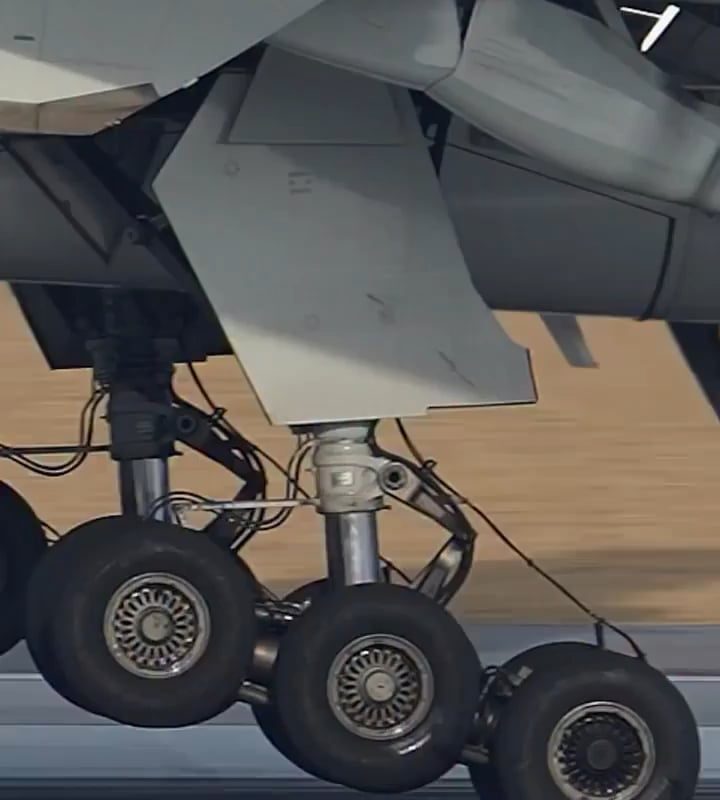
Not my video
The Physics & Precision of Touchdown: Exploring Landing Gear Slow-Mo Contact
Few moments in aviation are as dramatic—yet as meticulously engineered—as the instant an aircraft’s landing gear makes contact with the runway. Captured in slow motion, this split-second event reveals a ballet of physics, engineering, and human skill. Beyond its cinematic appeal, analyzing landing gear slow-mo contact offers critical insights into aircraft safety, structural durability, and the science of flight itself.
Why Slow-Motion Analysis Matters
Slow-motion footage (often recorded at thousands of frames per second) becomes a powerful diagnostic tool for engineers, pilots, and aviation enthusiasts. When landing gear touches down:
- Forces are redistributed across tires, struts, and airframe.
- Shock absorption systems activate to dampen impact.
- Weight transitions from wings to wheels, stabilizing the aircraft.
High-speed cameras reveal irregularities like tire deflection, strut compression, or unexpected vibrations—details invisible to the naked eye but critical for spotting wear, fatigue, or design flaws.
The Anatomy of a Perfect Touchdown
Aircraft landing gear is designed to handle extreme forces. In slow motion, each component’s role becomes clear:
-
Tires:
- Make first contact, enduring friction and heat.
- Slow-mo shows how treads grip the runway, dispersing water in wet conditions.
-
Shock Struts (Oleo Struts):
- Compress smoothly, converting kinetic energy into heat.
- Prevent excessive bounce or instability.
-
Brakes & Steering Systems:
- Engage milliseconds after contact to begin deceleration.
A “greased landing” (ultra-smooth touchdown) minimizes stress on components, but even textbook landings expose the gear to forces up to 3x the aircraft’s weight.
Engineering Insights from Slow-Mo Footage
Aviation engineers rely on slow-motion analysis to:
- Test New Designs: Validate gear performance under varying loads, angles, and runway surfaces.
- Improve Safety: Detect micro-fractures, hydraulic leaks, or abnormal tire wear before failures occur.
- Train Pilots: Use footage to demonstrate ideal vs. risky touchdown techniques (e.g., excessive sink rate or lateral drift).
For instance, Boeing and Airbus use high-speed cameras during certification tests to ensure gear can survive emergency landings, crosswinds, and even partial hydroplaning.
The Spectacle of Slow-Mo: A Viewer’s Perspective
Public fascination with landing gear slow-mo videos isn’t just technical—it’s artistic. The drama unfolds in milliseconds:
- Sparks fly if the touchdown is firm or the runway is rough.
- Smoke billows from tire friction during high-speed landings (e.g., military jets).
- Fluid dynamics showcase hydraulic systems reacting to impact.
Viral videos from airports like London Heathrow or Dubai International demonstrate this interplay of power and precision, racking up millions of views from aviation fans worldwide.
Key Takeaways for Aviation Enthusiasts
- Precision Matters: A smooth touchdown extends gear lifespan and passenger comfort.
- Resilience is Engineered: Modern gear systems withstand decades of cycles, each involving 500,000+ pounds of force.
- Innovation Continues: Future designs may incorporate smart sensors, hybrid materials, or even AI-driven impact adjustment.
Conclusion
Landing gear slow-mo contact isn’t just a mesmerizing display of engineering—it’s a window into the invisible forces that keep air travel safe. By dissecting every frame of this critical phase, engineers refine designs, pilots hone techniques, and the public gains awe-inspiring insight into the marvels of modern aviation.
Next time you fly, remember: that gentle thud beneath your feet represents centuries of innovation, captured in a single, slow-motion moment of contact.
Target Keywords:
- Landing gear slow motion
- Aircraft touchdown analysis
- How landing gear works
- Slow-mo aviation engineering
- Runway contact physics
By blending technical depth with visual storytelling, this article aims to engage both aviation professionals and curious readers while optimizing for SEO visibility.