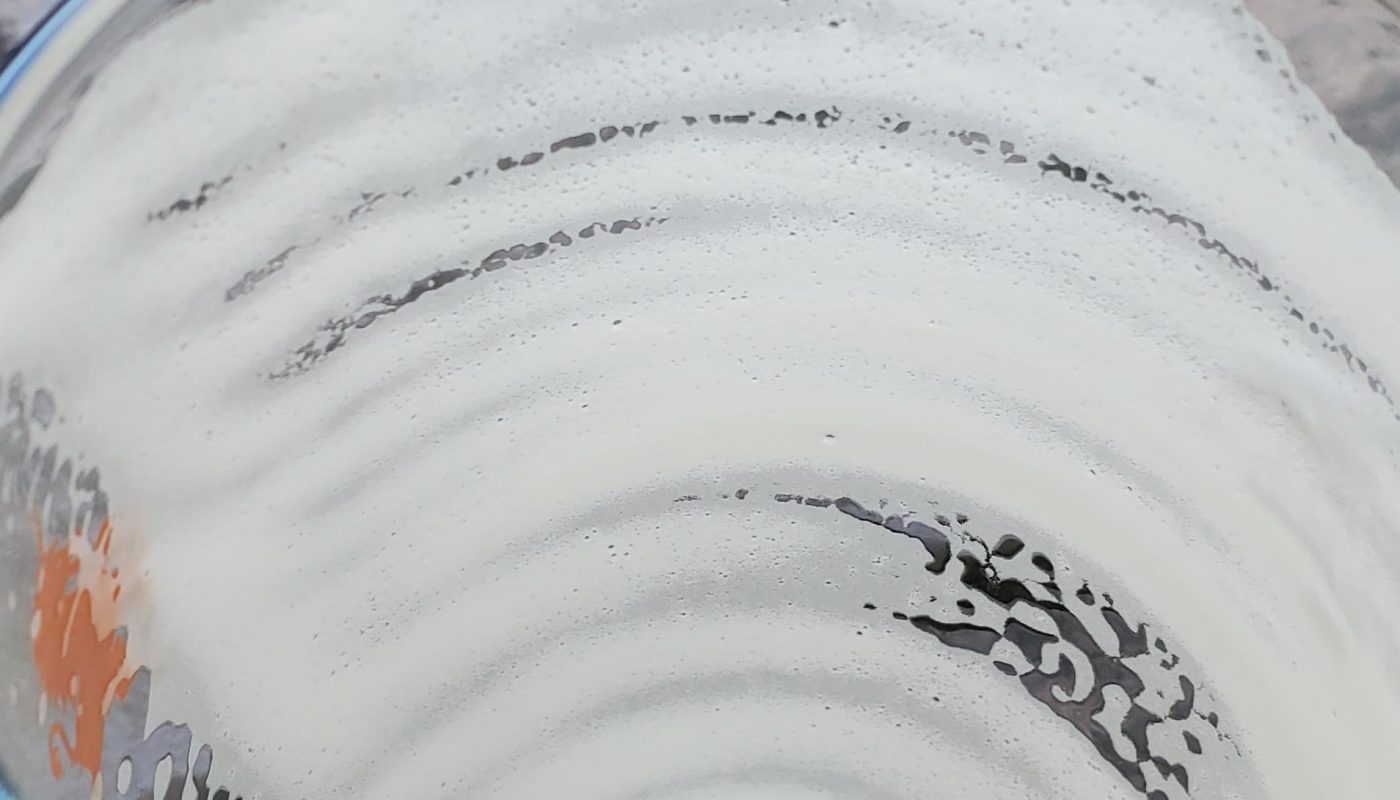
The beer is called Broken Record and with the marks it leaves its the perfect name.
The Art of the Perfect Pour: Why Foam Rings (Belgian Lace) Make Your Pint Unforgettable
A perfectly poured pint isn’t just about taste—it’s a feast for the senses. Atop that golden liquid floats a velvety crown of foam, stark white and inviting. But the true mark of a masterful pour? Those delicate, concentric rings left clinging to the glass as you sip—a phenomenon known as Belgian lace or foam rings. This isn’t just aesthetics; it’s a testament to quality, technique, and the science of a truly great beer experience.
Why Foam Rings Matter: More Than Just a Pretty Sight
Those lacy patterns aren’t random—they tell a story. Foam rings signify:
- Proper Carbonation: The beer has the right level of dissolved CO2, creating stable, persistent bubbles.
- Excellent Head Retention: Proteins from malt (and sometimes wheat or oats) interact with hop acids to form a resilient foam that clings instead of collapsing.
- Clean Glassware: Residual soap, grease, or lint kills foam. Rings mean your glass was impeccably cleaned and rinsed.
- Skilled Pouring Technique: A rushed or careless pour disturbs this delicate chemistry. Rings are the bartender’s signature.
The Science Behind the Lace: How Bubbles Become Art
The magic lies in the interplay of three key elements:
- Proteins & Hop Acids: Malt-derived proteins (like LTP1) bond with iso-alpha acids from hops during boiling. This creates surfactants that reduce bubble surface tension, making foam stable and “sticky.”
- Carbonation: CO2 bubbles rise, carrying these protein-hop complexes to the surface, forming the head.
- Glass Interaction: As you drink, the foam slides down the glass. The beer’s alcohol content and pH, combined with microscopic imperfections in the glass, create nucleation points where bubbles cling, drying into intricate rings.
How to Pour the Perfect Pint with Foam Rings (Step-by-Step Guide)
Ready to achieve glass-clinging Belgian lace at home? Follow these steps:
- Choose the Right Glass: Tapered glasses (like a pint, tulip, or Pilsner) concentrate aromas and support foam. Avoid wide, flat glasses where foam spreads too thin.
- Clean Like a Pro: Hand-wash glasses with hot water and unscented detergent. Rinse thoroughly to remove all soap residue—any leftover film sabotages foam. Air dry upside down.
- The Pre-Rinse (Secret Weapon!): Right before pouring, rinse the glass with cold water. This chills the glass and creates a thin layer of moisture, helping bubbles form evenly. Shake out excess water.
- Angle & Pour: Hold the glass at a 45-degree angle. Pour the beer smoothly down the side, targeting midway between the center and the glass wall. Avoid splashing.
- Straighten & Finish: When the glass is half full, straighten it to 90 degrees. Pour aggressively into the center to agitate the beer, releasing CO2 and building a dense, creamy head (aim for 1-2 fingers thick).
- Patient Perfection: Let the foam settle for 1-2 minutes before sipping. This allows excess gas to escape, stabilizing the head for those iconic rings.
Pro Tips for Flawless Foam Rings Every Time
- Serve Cold (But Not Frozen): Ideal beer temps vary by style (e.g., 38-45°F / 3-7°C for lagers, 45-55°F /7-13°C for ales). Too cold mutes flavor; too warm makes foam collapse.
- Mind Your Beer Style: Hefeweizens and nitro stouts naturally produce thicker foam. IPAs and Pilsners often showcase beautiful lacing.
- Freshness is Key: Older beer loses carbonation and proteins degrade. Drink fresh for best results.
- Skip the Dishwasher: Dishwasher detergents often leave residues. Hand-washing guarantees foam-friendly glassware.
Beyond Beauty: The Functional Role of Foam
Foam isn’t just decorative—it’s functional! A proper head:
- Traps Aromas: Your nose detects flavors before your tongue. Foam acts like a lid, releasing volatiles as you sip.
- Enhances Mouthfeel: Creamy foam adds texture and smoothness.
- Protects the Beer: It forms a barrier against oxidation, keeping your beer tasting fresher longer.
Belgian Lace: A Symbol of Beer Appreciation
Next time you see those delicate foam rings adorning your glass, pause and appreciate them. They’re a badge of honor—for the brewer who crafted a well-balanced beer, the bartender (or you!) who poured it with care, and the clean glass that let science do its thing. In the world of craft beer, Belgian lace isn’t just desirable; it’s a sign of respect for the craft itself.
Now raise that perfectly poured pint—rings and all—and savor the moment. Cheers!