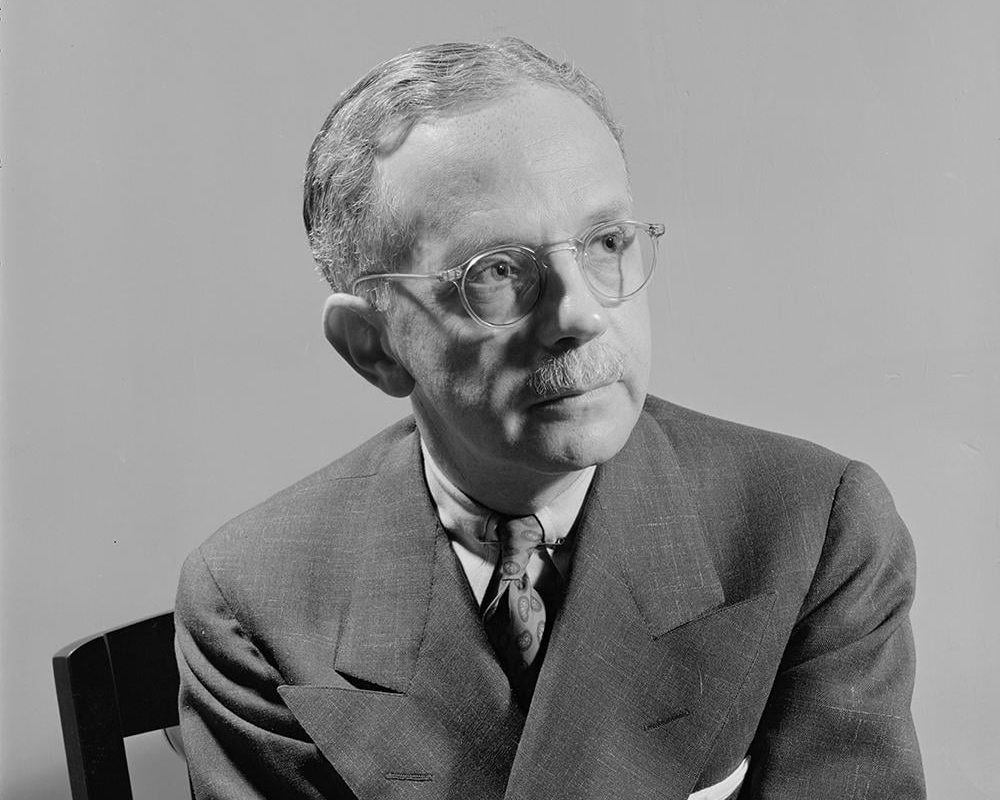
Walter Francis White was a Jim Crow era black man who had white skin, blonde hair, blue eyes, and used it to sneak in and document lynching
Title: Walter Francis White: The Fair-Skinned Activist Who Infiltrated Lynch Mobs to Expose Jim Crow Terror
Meta Description: Discover how Walter Francis White, a light-skinned Black man with blonde hair and blue eyes, risked his life to infiltrate lynch mobs and expose racial violence during the Jim Crow era.
URL Slug: walter-francis-white-jim-crow-lynching-investigator
Introduction
During the brutal era of Jim Crow segregation, racial terror like lynching was used to enforce white supremacy — and few dared to confront it head-on. Walter Francis White (1893–1955), a Black civil rights leader with a startling secret weapon — white skin, blonde hair, and blue eyes — turned his appearance into a tool of justice. As an undercover investigator for the NAACP, he infiltrated violent lynch mobs across the South, gathering firsthand evidence that fueled national outrage and catalyzed the fight against racial terrorism.
Who Was Walter Francis White?
Born in Atlanta in 1893, Walter White was biracial: 27 of his 32 great-great-great-grandparents were white. Though he identified proudly as Black, his light complexion allowed him to “pass” as white — a dangerous double-edged sword in a society obsessed with racial hierarchies. After witnessing the 1906 Atlanta race massacre as a child, he dedicated his life to combating racial violence.
In 1918, White joined the NAACP, rising swiftly to become its executive secretary (1931–1955). His leadership transformed the organization into a powerhouse of legal advocacy, anti-lynching campaigns, and grassroots mobilization.
The Ultimate Undercover Agent: Infiltrating Lynch Mobs
At a time when lynching was rampant (over 4,700 lynchings occurred between 1882–1968), White conducted high-risk undercover missions to expose these atrocities. Posing as a white journalist or curious bystander, he gained access to crime scenes and mob gatherings in sundown towns like Phillips County, Arkansas (site of the 1919 Elaine Massacre) and Florida’s Rosewood.
His Methodology:
- Blending In: Leveraging his appearance, White charmed local police, Ku Klux Klan members, and witnesses to extract testimonies and confessions.
- Documenting Atrocities: He gathered photographs, names of perpetrators, and gruesome details for NAACP reports and media exposés.
- Survival Tactics: He carried cyanide pills — knowing discovery would mean torture and death.
Why His Work Changed History
White’s investigations pulled lynching out of the shadows and into the national spotlight:
- Media Impact: His 1929 exposé, “Rope and Faggot: A Biography of Judge Lynch,” connected lynching to economic fear and sexual stereotypes.
- Political Advocacy: He lobbied Congress relentlessly for federal anti-lynching bills (though none passed due to Southern filibusters).
- Legal Precedent: Evidence he gathered supported landmark cases like Moore v. Dempsey (1923), freeing Black wrongly convicted.
White’s work also laid groundwork for the Civil Rights Movement, inspiring future leaders like Thurgood Marshall and Rosa Parks.
Legacy: The “Conscience of America”
Walter White’s courage redefined activism:
- Global Recognition: He advised presidents, influenced Eleanor Roosevelt, and investigated wartime racism during WWII.
- Cultural Influence: A key figure in the Harlem Renaissance, he championed Black artists like Langston Hughes.
- Lifelong Advocacy: Until his death in 1955, he fought not just lynching but also segregation, voter suppression, and housing discrimination.
Conclusion: The Man Who Weaponized His Privilege
Walter Francis White risked everything to confront America’s darkest sins. By using the same features that granted white privilege to dismantle systemic oppression, he proved that identity could be a revolutionary weapon. His legacy reminds us that racial justice requires both truth-telling and unimaginable bravery.
Call to Action:
Honor Walter White’s fight by learning more about the NAACP’s ongoing work against racial inequality. Share his story — because history’s unsung heroes light the path forward.
SEO Keywords:
Walter Francis White, Jim Crow, NAACP, lynching investigations, civil rights activists, light-skinned Black history, anti-lynching campaign, racial justice, passing as white, Elaine Massacre
Internal Links Opportunities:
- NAACP history page
- Articles on Harlem Renaissance leaders
- Profiles of Thurgood Marshall or Ida B. Wells
External Links:
- NAACP Archives
- Equal Justice Initiative (lynching memorial)
- Smithsonian’s National Museum of African American History
Featured Snippet Optimization:
Q: How did Walter White investigate lynchings?
A: Walter White used his white skin, blonde hair, and blue eyes pose as a white journalist, infiltrating lynch mobs in the Jim Crow South to gather evidence for the NAACP’s anti-lynching campaigns.